
Last updated November 22, 2026
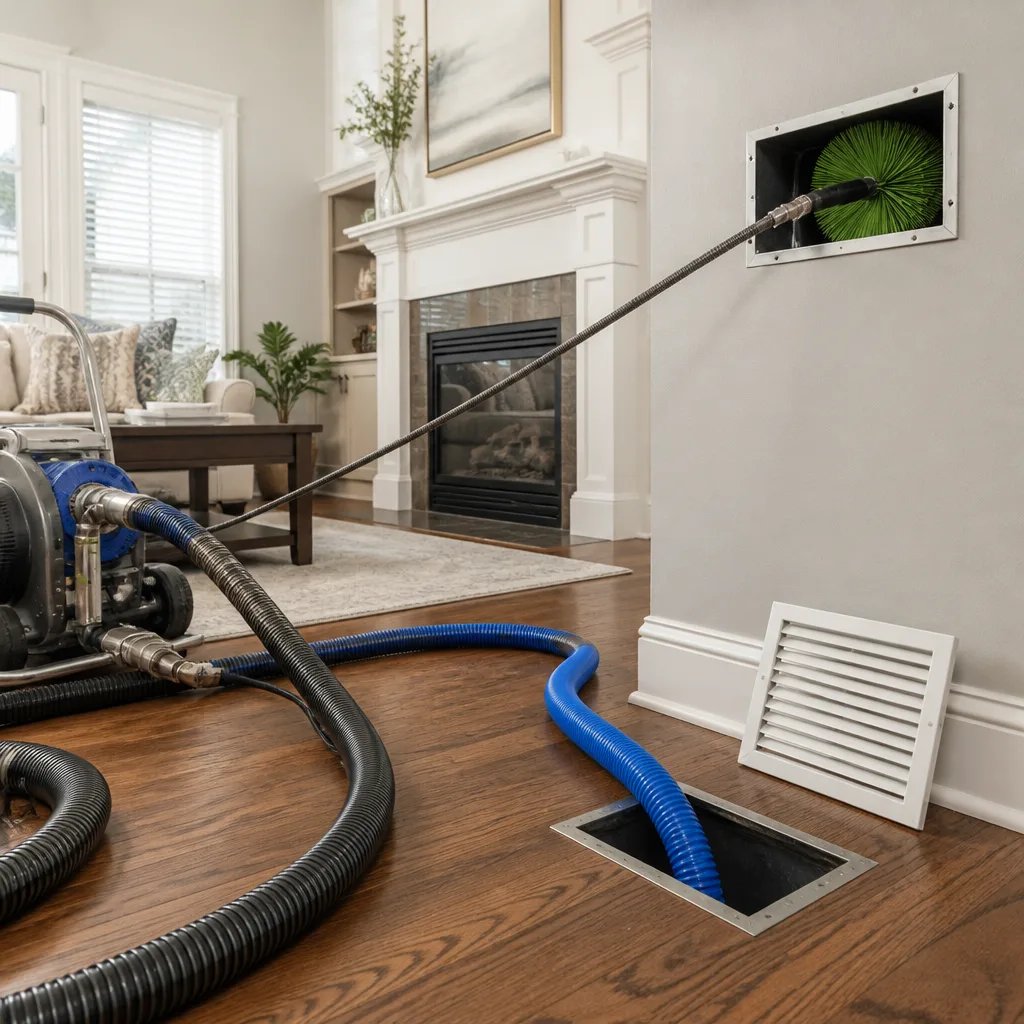 Whole-home duct cleaning
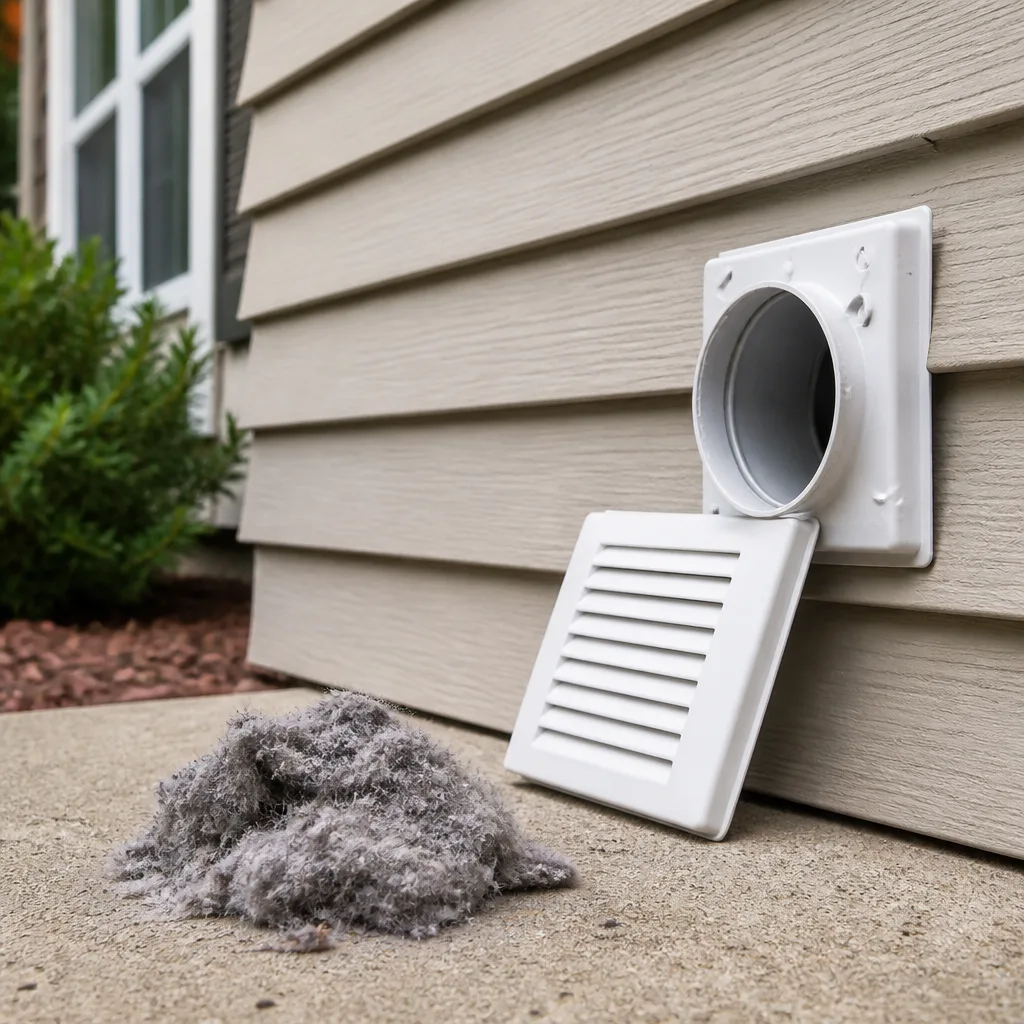 Dryer vent cleaning
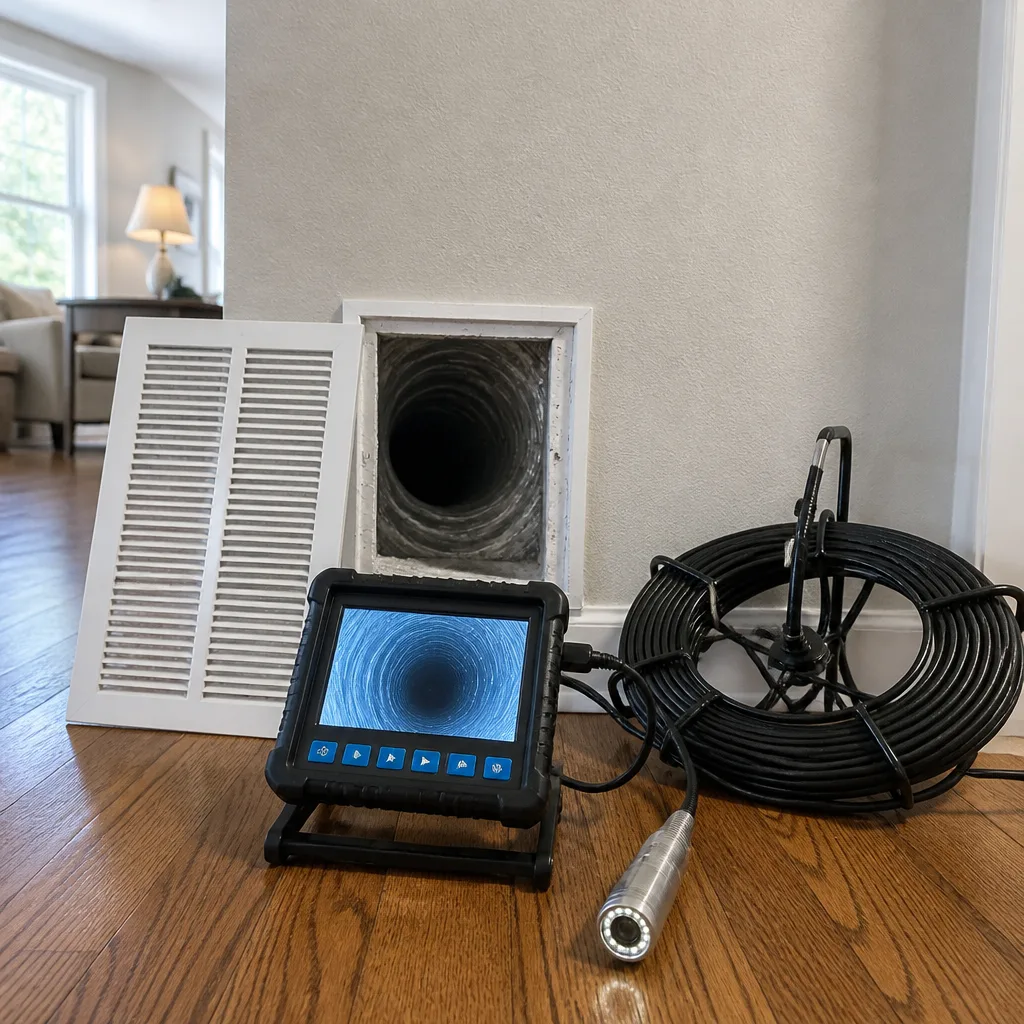 Camera inspection
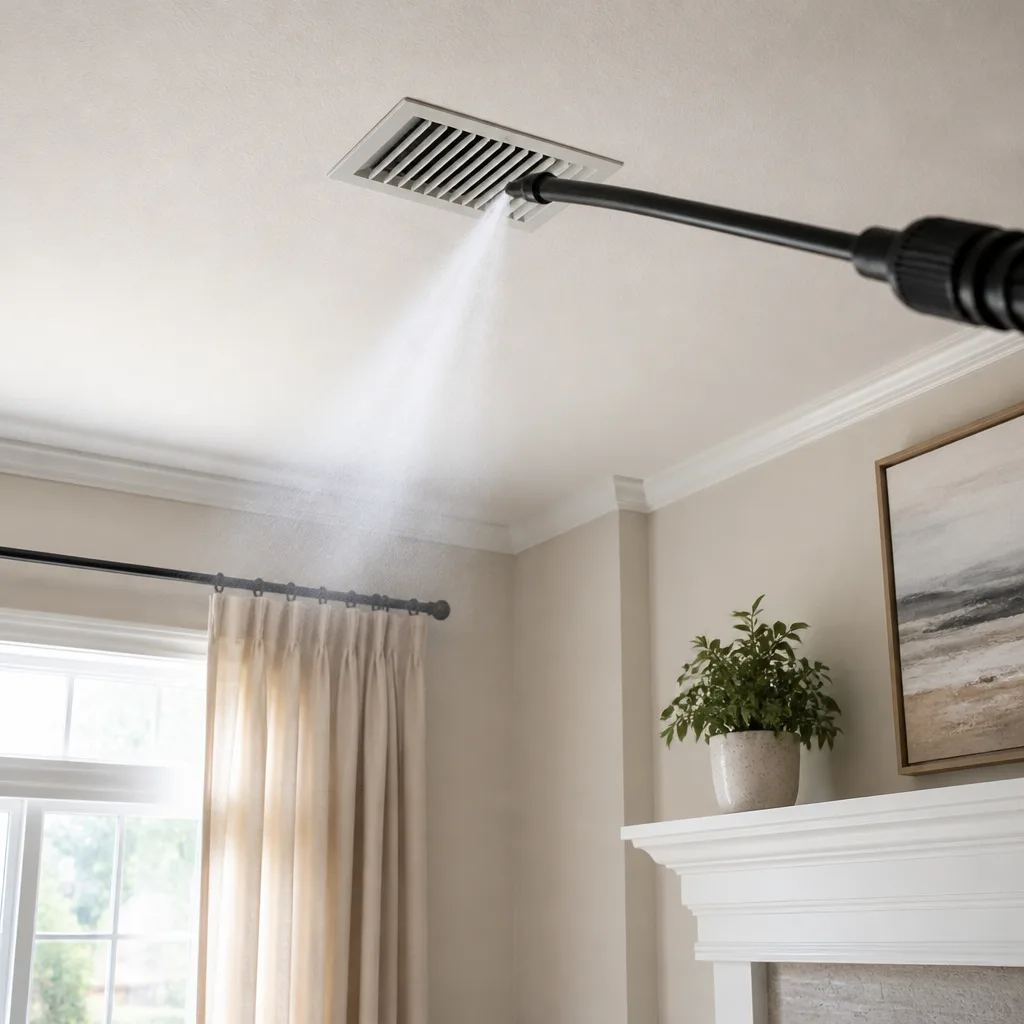 Sanitizing & deodorizing
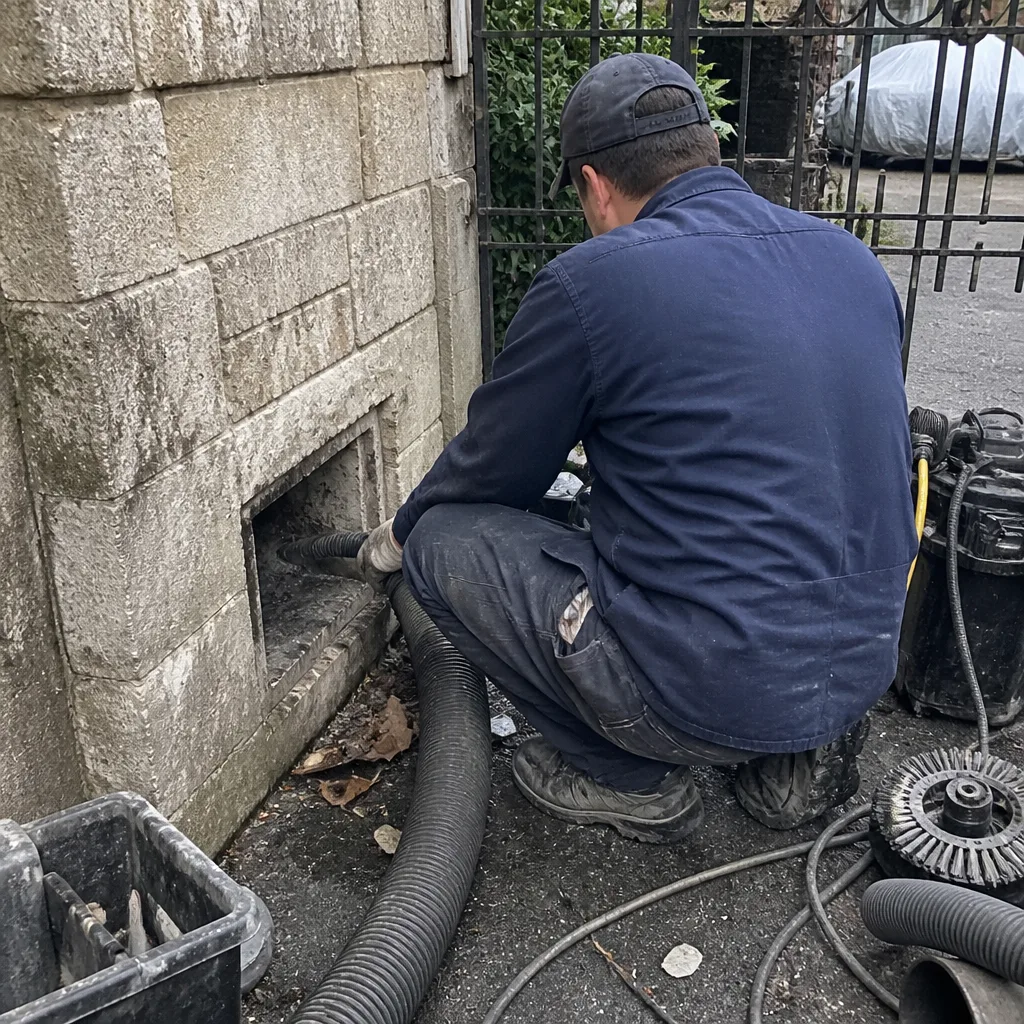
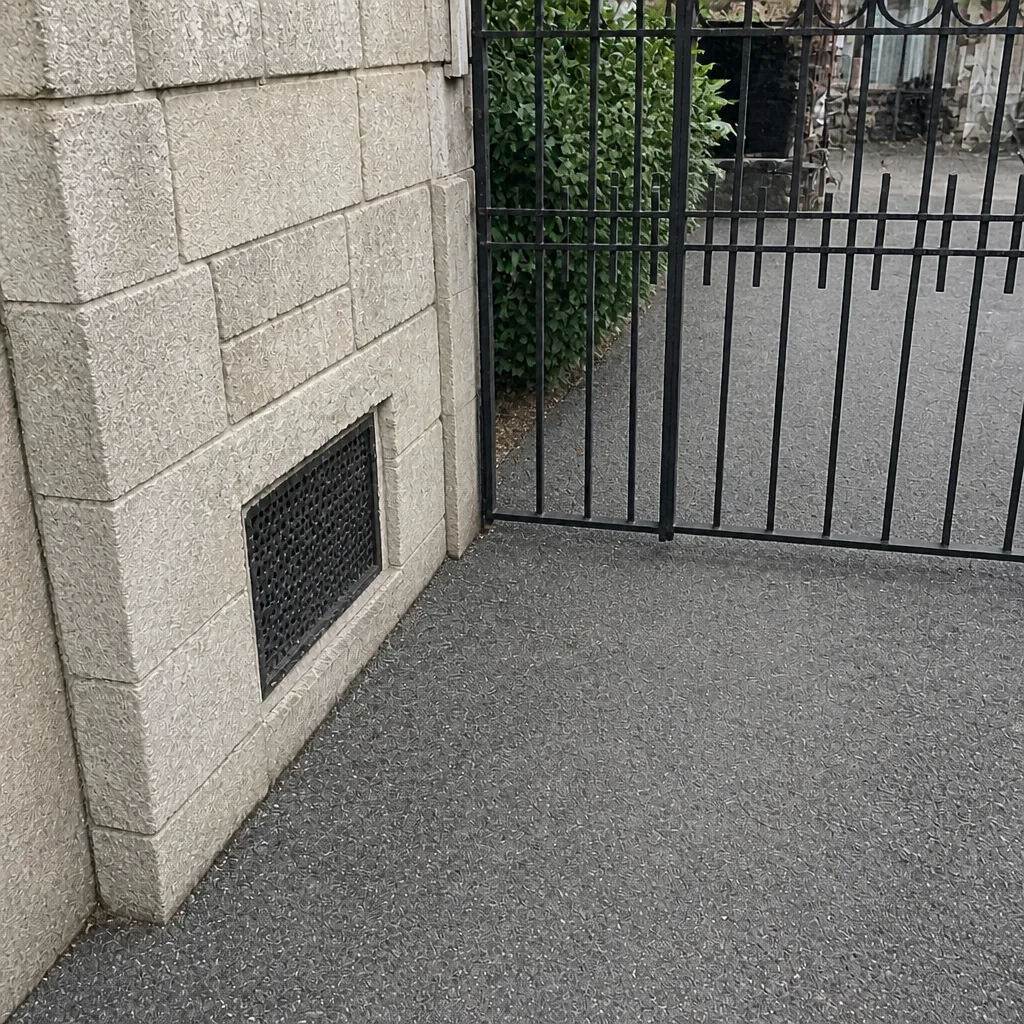
Whole-system duct and dryer vent check with before-and-after photos - you see exactly what came out of your vents
That "$99 whole-house special" is a bait ad - the real number appears once they are in your hallway, or the "clean" is a shop-vac at the register. We photograph the inside of your ducts before and after instead.
Air Duct Cleaning Emergency Preparedness Guide for Upper East Side Homes
Water intrusion from an upstairs neighbor is a plumbing event and a duct event at the same time. Most Upper East Side residents remediate the ceiling, repaint, and move on, while the air handler that absorbed the same moisture for days sits untouched behind a closet door. This guide is about those trigger events: the flood, the fire in another unit, the renovation, the long vacancy. You’ll learn which events demand an immediate duct inspection rather than an eventual cleaning, what to do in the first 24 to 48 hours, how to document damage for a claim, and where your responsibility ends and the building’s begins.
Quick Answer
Any event that moves water, smoke, soot, rodents, or heavy dust through the spaces your HVAC system draws from is a duct emergency, and it needs inspection within 48 hours, not a routine cleaning next season. In Upper East Side apartment buildings, that means water intrusion from another unit, a fire anywhere on your line, a renovation on your floor, or a prolonged vacancy. The correct response is containment and documentation first, then a scope of work written for a post-event system rather than a maintenance one.
Styles & brands we work with
- Whole-home duct cleaning
- Dryer vent cleaning
- Camera inspection
- Sanitizing & deodorizing
Table of Contents
- Which Events Require Immediate Duct Inspection
- What to Do in the First 24 to 48 Hours
- How to Document HVAC Damage for Insurance
- Building Management vs. Unit Owner Responsibility
- Post-Emergency Cleaning vs. Routine Maintenance
- Renovation Dust and the Containment Problem
- Building an HVAC Emergency Preparedness Plan
- How to Choose the Right Response
Which Events Require Immediate Duct Inspection
Not every mess in an apartment is a duct event. The distinction matters because the wrong call wastes money and the right one limits damage. Here’s how we separate the two in Upper East Side buildings.
An event calls for an inspection of the air system itself when it produces something that can be carried by airflow: moisture, smoke residue, soot particles, rodent waste, or fine construction dust. If the event stayed entirely within a cabinet or a closet, you likely have a surface problem. If it touched a return grille, a supply diffuser, an air handler, or the ceiling cavity above a duct run, you have a system problem.
- Water intrusion from another unit. Ceiling staining in an Upper East Side co-op usually means water traveled through the slab or the riser chase. Ductwork in that cavity can hold moisture for days after the visible leak stops.
- A fire in another unit or another floor. Smoke moves through shared corridors, elevator shafts, and any duct connection. Soot deposits are acidic and settle on interior surfaces.
- Rodent presence. Droppings and nesting material in a return plenum distribute fine particles every time the fan runs.
- Post-renovation dust. Sanding, demolition, and drywall work generate particulates that a standard filter isn’t designed to stop.
- Extended vacancy. Unoccupied units run humid and still. Mold can establish in a duct interior without anyone noticing a smell.
- Sewage or drain backups. Category 2 and Category 3 water requires a different remediation scope than a clean-water leak.
If you’re unsure which category your event falls into, treat it as the more serious one until someone inspects the system. That instinct is almost always correct.
What to Do in the First 24 to 48 Hours
The first two days decide how much of the system can be saved and how much remediation the insurance claim has to cover. Your job in that window is not to clean. Your job is to stop more contamination from moving, and to freeze the condition in place with a record.
Follow these steps in order:
- Stop running the system. Turn the thermostat to off. A running fan distributes moisture and particles through every branch of the ductwork. This single step limits the spread more than anything else you can do.
- Photograph before you touch anything. Ceiling stains, water lines, grille interiors, soot patterns, and any visible damage in the air handler closet.
- Contain and control moisture. Towels, a fan directed at the wet ceiling, a dehumidifier if you have one. Do not pump hot air into a wet duct run.
- Change the filter and keep the old one. A wet or soot-loaded filter is evidence and should not go in the trash.
- Do not spray household cleaners into grilles or the air handler. Bleach and consumer disinfectants can corrode components and complicate later remediation.
- Notify your building’s management in writing with the date, time, and cause if known. Paper trail, not a hallway conversation.
- Book a professional inspection before the 48-hour mark. A visual check of the interior of the duct, not a flashlight up at a diffuser, is the standard.
If the event was smoke from a fire, keep windows and interior doors closed until the source is confirmed out and the corridor has been cleared. Soot returning on airflow is a bigger problem than soot on a wall.
How to Document HVAC Damage for Insurance
Insurance adjusters read HVAC claims poorly when the documentation is a folder of blurry phone photos. They approve them when the file shows the system, the scope, and the condition with a professional’s name on it. The claim needs three categories of evidence, and each one has a specific purpose.
| Category | What to Capture | Why It Matters |
|---|---|---|
| Condition photos | Ceiling stains, waterlines, grille interiors, filter in place before removal, air handler closet | Establishes what the event physically touched |
| Cause documentation | Building management’s incident report, plumber’s note, fire department or neighbor’s statement | Connects the damage to a covered event rather than deferred maintenance |
| Professional scope | Remediation contractor’s written report with moisture readings, affected area, and treatment plan | Tells the adjuster exactly what the remediation requires and what it will cost |
The remediation report is where most Upper East Side claims succeed or stall. A usable one includes: date and time of inspection, the event being addressed, moisture meter readings at identified locations, a description of the affected duct runs and equipment, the recommended cleaning and sanitizing protocol, whether sealing or component replacement is required, and photographs from inside the ductwork. Vague reports (“cleaned ducts after water damage”) get pushed back. Specific reports move.
Contractors don’t determine coverage. They document condition. That’s the line. If you’re working with a property manager, keep the original and deliver copies; adjusters lose attachments.
Building Management vs. Unit Owner Responsibility
In a shared HVAC system, “who pays” and “who acts” are separate questions, and both matter in the first 48 hours. The general pattern in Upper East Side apartment buildings is worth knowing before an event forces you to learn it under pressure.
Responsibility usually follows three factors: what part of the system failed, where the affected duct run physically sits, and what the building’s governing documents say. Common practice, though buildings vary:
- Building responsibility typically covers risers, shared shafts, corridor HVAC, and any ductwork serving more than one unit.
- Unit owner responsibility typically covers ductwork and equipment entirely inside the unit boundary, often beginning at the first connection point after a line that serves the floor.
- Negligence shifts cost. If a unit owner’s plumbing failure caused the water, that owner’s insurer usually bears the loss, even if the damage appears in a neighbor’s ceiling.
Your co-op’s alteration agreement, house rules, and proprietary lease are the actual governing text. Ask building management for the specific clause covering shared air systems before work begins. Two things that cost owners time and money: authorizing a cleaning that crosses into building-owned ductwork without management’s agreement, and accepting an insurance settlement before the full scope of contamination is known. Get the professional scope first, then negotiate.
If you’re a property manager running multiple units, the practical approach is a standing incident template. When a water event happens, the response is the same every time: stop the system, photograph, notify, inspect. For routine system care on the building’s own equipment, keeping up with HVAC cleaning prevents the deferred-maintenance arguments that complicate post-event claims.
Post-Emergency Cleaning vs. Routine Maintenance
A standard duct cleaning after a flood or fire is not enough. This is the point where most residents get a service that sounds right and isn’t. A routine clean removes surface debris from a system that was already working properly. A post-event scope has to address contamination that entered the duct, settled, and possibly began to grow. The two jobs share a name and little else.
Here’s how the correct post-event scope differs from routine maintenance:
| Element | Routine Cleaning | Post-Event Remediation |
|---|---|---|
| Containment | Not typically required | Negative-pressure containment around work areas to prevent cross-contamination |
| Equipment | Rotary brush and HEPA vacuum | Rotary brush and HEPA vacuum inside a contained work zone using Abatement Technologies negative-air equipment |
| Moisture | Visual check | Documented moisture readings before and after drying |
| Sanitizing | Optional | Guardsman-backed sanitizing treatment applied to treated surfaces after cleaning |
| Sealing | Not part of the scope | Sealing of compromised joints and air duct cleaning combined with repair of any duct damage found during the work |
| Verification | Before-and-after photos | Before-and-after photos plus a written remediation report suitable for a claim |
The wrong scope fails in a specific way. Loose debris gets knocked into the airstream and redistributed to other rooms, so the system ends dirtier in places and the problem moves. In a small Upper East Side unit, that redistribution is immediate because the runs are short. Professional-grade rotary brush and vacuum systems (Rotobrush and Nikro are the equipment we work with) clean the interior of the duct rather than just the opening, and containment keeps the loosened material from returning to the living space. If the duct itself is compromised by water, no cleaning will fix it. It has to be repaired and sealed.
Renovation Dust and the Containment Problem
A renovation is a slow-motion duct event. The dust doesn’t arrive in one afternoon; it arrives over weeks, drawn into returns every time the fan runs, and deposited progressively deeper in the system. Standard construction practice is to cover the finished floor. The duct system usually gets no protection at all.
The single most effective step is to isolate the HVAC system before demolition begins. Zip-tie heavy plastic over return grilles, and ask the contractor to tape supply diffusers. If the system has to run for the workers’ comfort, use the highest-rated filter the air handler will accept and change it more often than usual. In Upper East Side buildings, where construction often happens with neighbors on either side and a shared corridor, the corridor seal matters too. Drywall dust finds the corridor faster than it finds your filter.
After the renovation, clean the system once, at the end, when the work is done. Cleaning mid-project wastes money; the dust keeps coming.
Building an HVAC Emergency Preparedness Plan
Upper East Side homes are dense, and events travel between them. The most useful thing you can do is decide now what to do later, so the plan doesn’t depend on your judgment at 11pm on a night when the ceiling is dripping.
Here’s a simple household plan we recommend to residents we work with:
- Know the shutoffs. Locate your HVAC disconnect and know how to turn the system off at the thermostat. Write the steps down and keep them where you’ll find them.
- Keep an evidence kit. A folder (digital or paper) with photos of your current air handler, grilles, and duct runs, taken when everything is dry and working. Before-photos of a clean system are worth more than after-photos of a damaged one.
- Save the numbers. Building management’s after-hours contact, your building super, and one duct professional you’ve used before. Relationships are the fastest path to a real response.
- Photograph on arrival. If you come home to water or smoke and don’t know how long it’s been there, photograph the ceiling, the grilles, and the filter before anything moves.
- Review your coverage annually. Make sure your homeowners or co-op policy covers water damage from another unit and HVAC remediation. Ask specifically about “water backup” and “loss assessment” if you’re in a co-op.
Whether you’re building this plan for one unit or for a building you manage, the shape is the same. The systems that survive an event well are the ones where someone already knew what to do.
How to Choose the Right Response
When an event has happened, the companies that respond are not interchangeable, and the differences show up in the scope, not the pitch. Choose by what the crew brings and what they can document.
Ask three questions before you book anyone:
- What containment system do you use? The right answer is a negative-pressure setup (Abatement Technologies equipment is the standard we work with) with visible containment of the work area. Without it, loosened debris returns to the rooms.
- What does your report include? Moisture readings, area affected, photographs from inside the duct, and a scope that a claims adjuster can read. If the company can’t describe one, the report won’t hold up.
- What happens after cleaning? Sanitizing treatment (Guardsman-backed is what we apply), and if the duct is compromised, repair and sealing rather than a second cleaning.
Also ask whether the company handles the whole air pathway or just the grilles. Routine dryer vent cleaning is a separate job, but it’s part of forgetting that a building’s air system has more than one exhaust route. A provider that only cleans vents leaves everything upstream of the opening untouched. For a full-system approach across all five service categories (Air Duct Cleaning, Dryer Vent Cleaning, HVAC Cleaning, Duct Repair & Sealing, and Air Quality & Sanitizing), start with the air duct cleaning Upper East Side overview and go from there.
Common Mistakes to Avoid
- Addressing the ceiling and forgetting the air handler. Most Upper East Side water claims remediate the visible surface and leave the equipment that absorbed moisture for days untouched. That’s the part that turns into a mold problem.
- Running the system to “dry it out.” A running fan moves moisture and soot through every branch. Off is the right setting until the system is inspected.
- Cleaning before photographing. Once the grilles are wiped, the evidence is gone. Photos before, cleaning after.
- Accepting a scope that’s a routine clean in disguise. If the estimate says “duct cleaning” without containment, moisture documentation, or sanitizing, it’s a maintenance job priced as remediation. Ask for the scope in writing.
- Assuming “the super will handle it.” Building management usually owns part of the system, not all of it. Get the boundary in writing before work begins, or you’ll fund a fight later.
- Ignoring post-renovation dust. A dusty system after a gut renovation is not a cosmetic issue. It’s the whole reason the system needs cleaning at the end of the project.
- Letting a still-wet duct get sealed and called “clean.” If moisture readings aren’t documented before and after, you don’t know. Repair and sealing are correct only after the system is dry.
See the difference
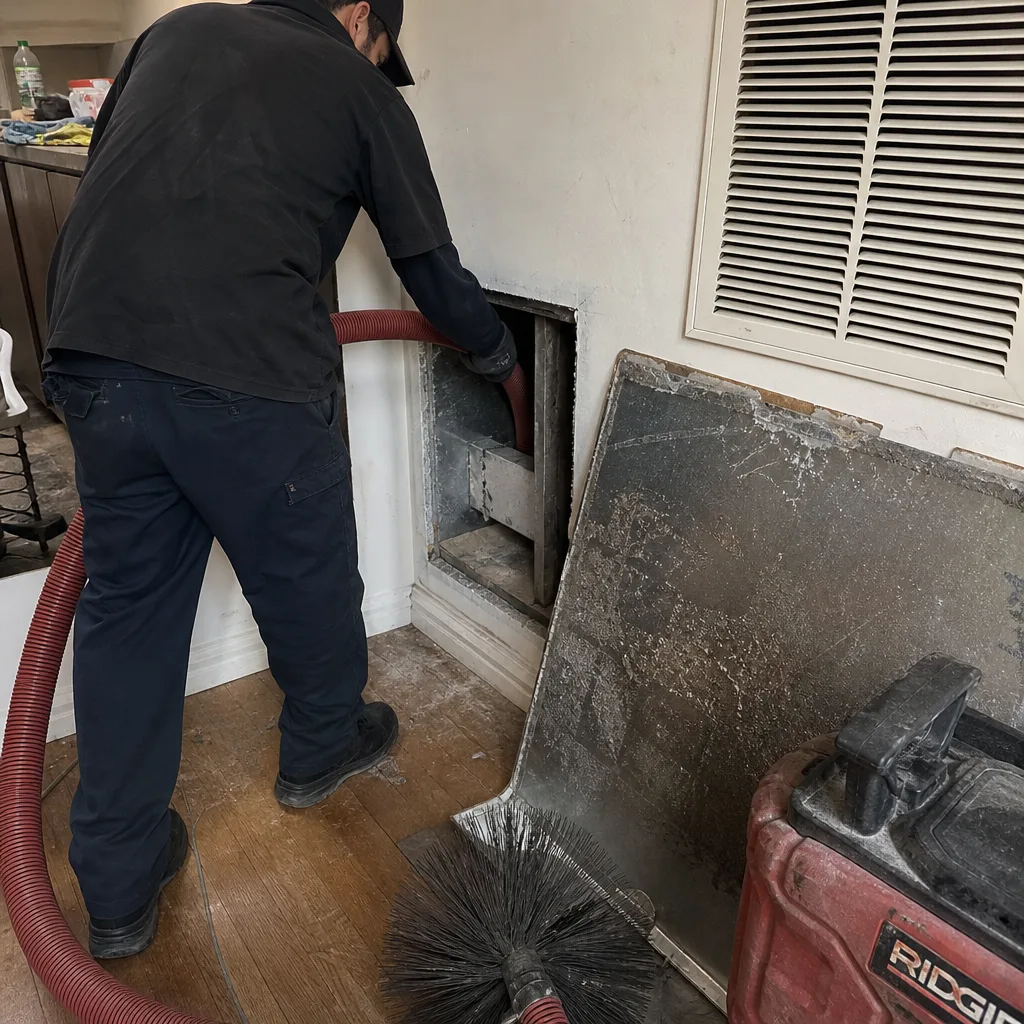 Before
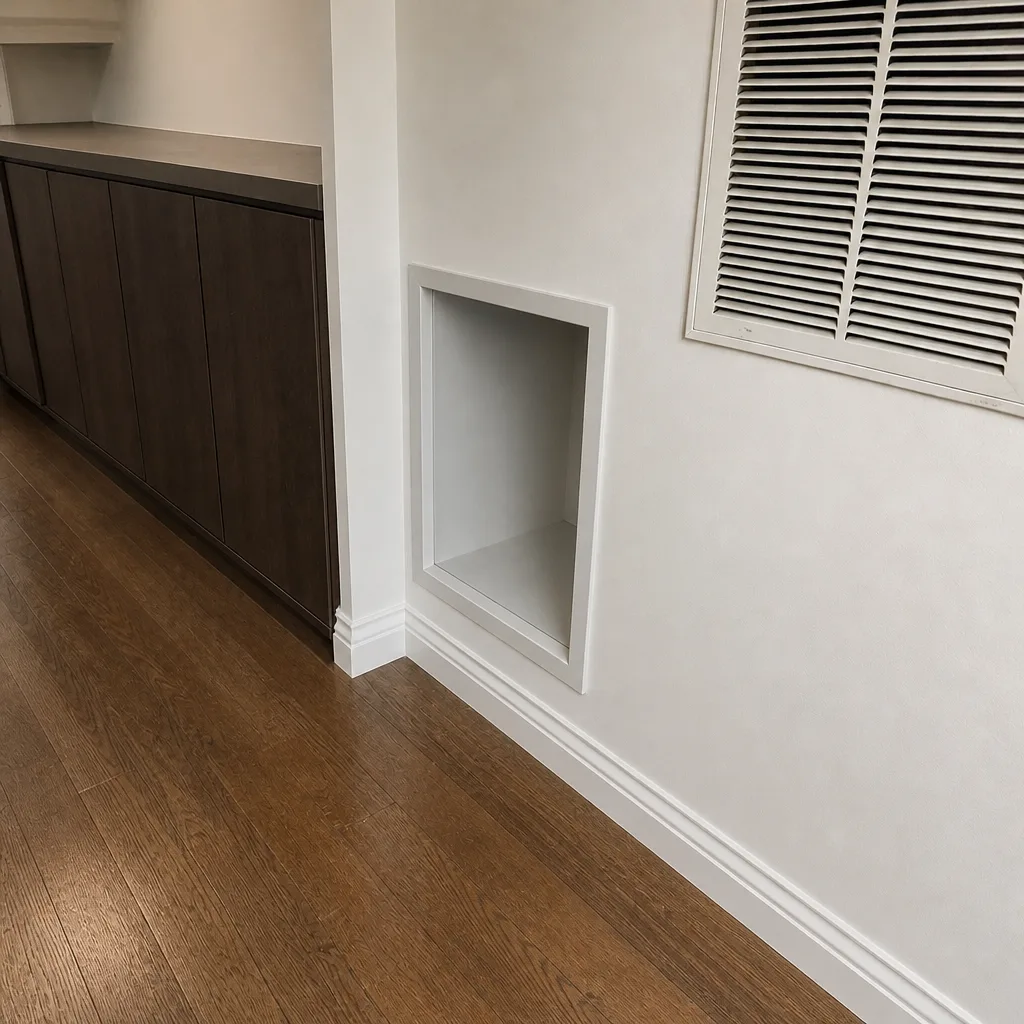 After
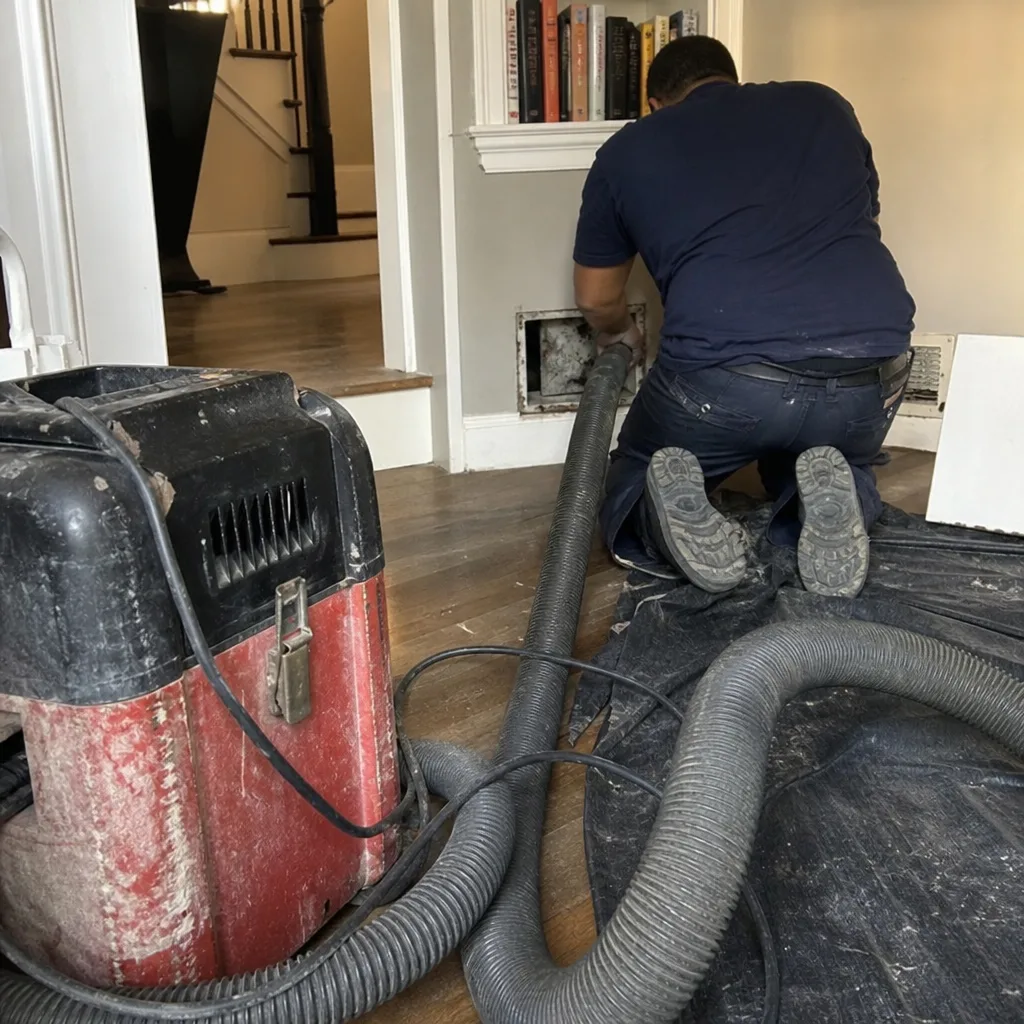 Before
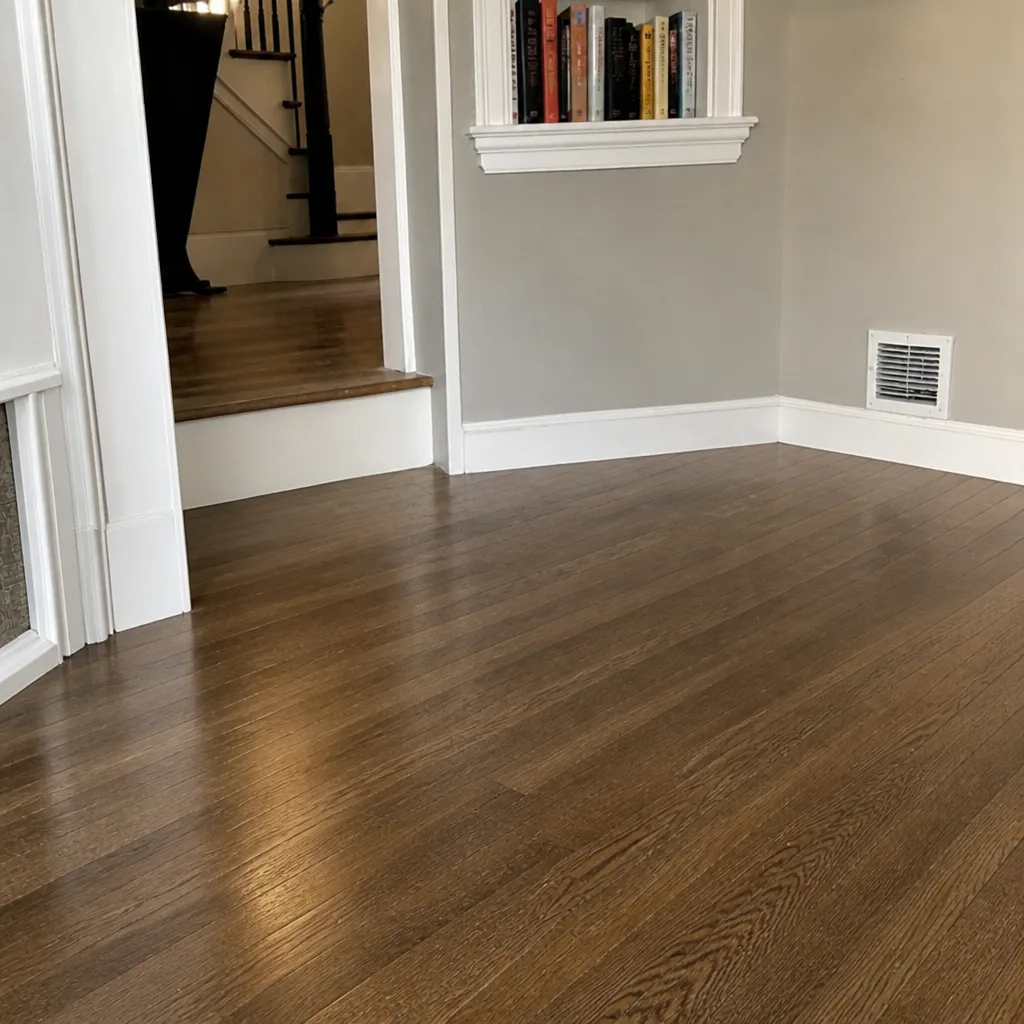 After
 Before
 After
When to Call a Professional
Call a professional immediately if water touched any part of the duct run or the air handler, if a fire in your building produced smoke that traveled into your unit, if you’ve seen rodent activity near a return or in a duct opening, or if you’re in the middle of a renovation and the system has been running without protection. Don’t wait for a smell. Water and soot in a duct can be present long before an odor reaches the room.
You should also call if you’re unsure whether your event counts as a duct event. A visual inspection of the duct interior is inexpensive relative to confusing it with nothing. Air Duct Cleaning Upper East Side offers free estimates in Upper East Side – call (844) 443-3814. We answer 24/7. Fast dispatch from 7am to 7pm, Sunday through Friday. One flat price per system agreed before work starts, and the local pro is licensed and insured as their state requires.
Frequently Asked Questions
Within 48 hours. Water in a duct interior is a moisture-retention problem, not a surface problem, and the sooner the system is inspected and dried the less remediation is required. If the water was in the ceiling above a duct run, treat it as urgent even if the leak has stopped. Call (844) 443-3814 for an exact quote on an inspection and scope.
Yes, if smoke reached your unit. Smoke residue and soot particles are acidic and settle inside duct surfaces, and running the system distributes them further. The correct service is a post-event remediation scope with containment and sanitizing, not a routine clean. Call (844) 443-3814 for an exact quote.
It depends on where the duct run sits and what your building’s governing documents say. Common practice is that risers, shared shafts, and any ductwork serving more than one unit are the building’s responsibility, while ductwork entirely inside the unit is the owner’s. Ask management for the exact clause that applies, in writing.
Date and time of inspection, the event being documented, moisture readings at identified locations, a description of affected duct runs and equipment, the recommended cleaning and sanitizing protocol, whether repair or sealing is required, and photographs from inside the ductwork. A vague report stalls. A specific one moves.
Remediation is priced per system, not per vent, and the estimate is free and written before work starts. The final number depends on how many duct runs are affected, whether the air handler needs treatment, and whether repair or sealing is required. Ask for the scope and the price together. Call (844) 443-3814 for an exact quote.
Once, done properly, is usually enough. The mistake is doing a routine clean, finding no improvement, and doing it again. If an event has happened, get a post-event scope with containment, sanitizing, and a written report. If the system was clean and working, it doesn’t need annual cleaning without a reason. Call (844) 443-3814 for an exact quote on your system.
The Bottom Line
Most duct emergencies in Upper East Side buildings didn’t start as duct problems. They started as a plumbing failure upstairs, a fire in another unit, a floor renovation, or a long vacancy, and they became duct problems once the system ran. The preparation that matters is not cleaning, it’s knowing which events require inspection, stopping the system in the first hours, documenting before touching, and getting a scope written for the right job. Routine cleaning after a flood isn’t enough. Containment, sanitizing, repair, and sealing are the difference between a system that recovers and one that keeps redistributing the problem. If you’re facing one of these events, call (844) 443-3814 for a free estimate. We answer 24/7. Fast dispatch from 7am to 7pm, Sunday through Friday.
Written by the team at Air Duct Cleaning Upper East Side.