
Last updated November 22, 2026
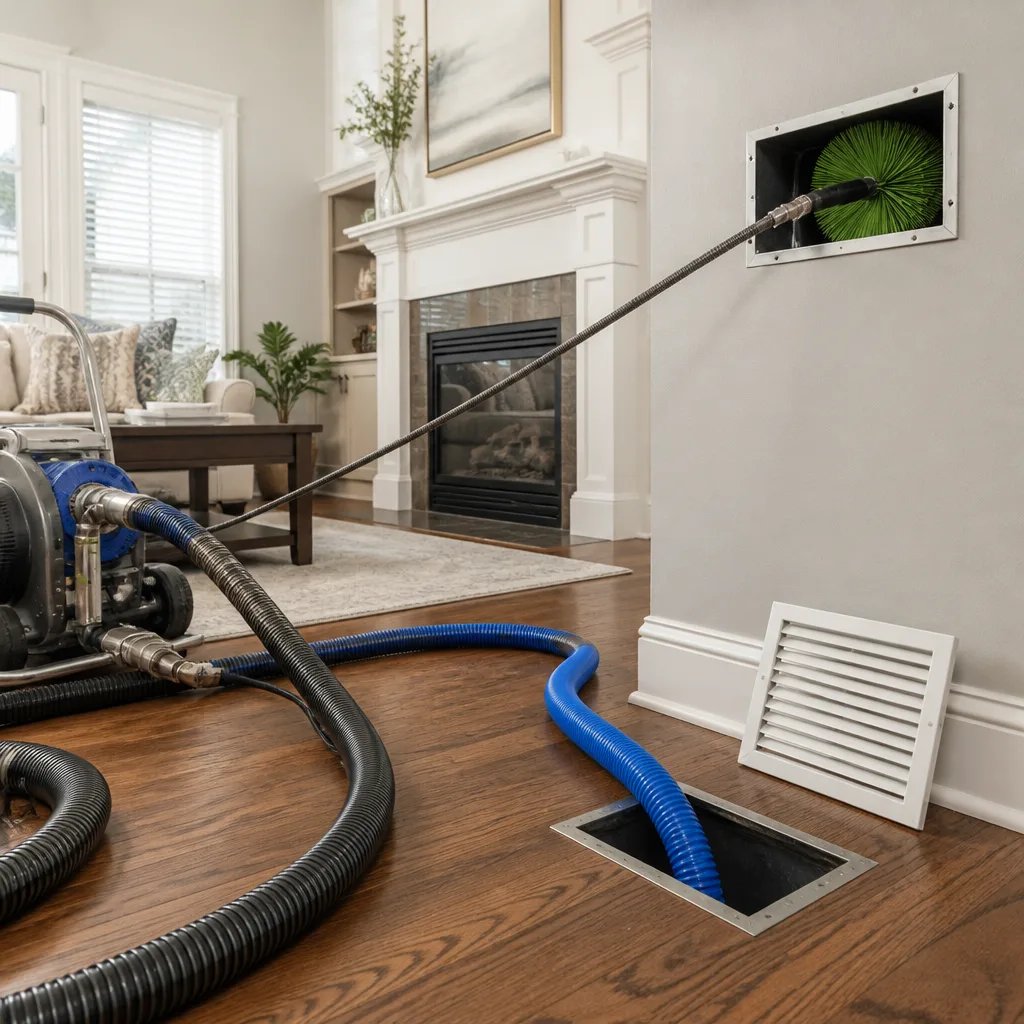 Whole-home duct cleaning
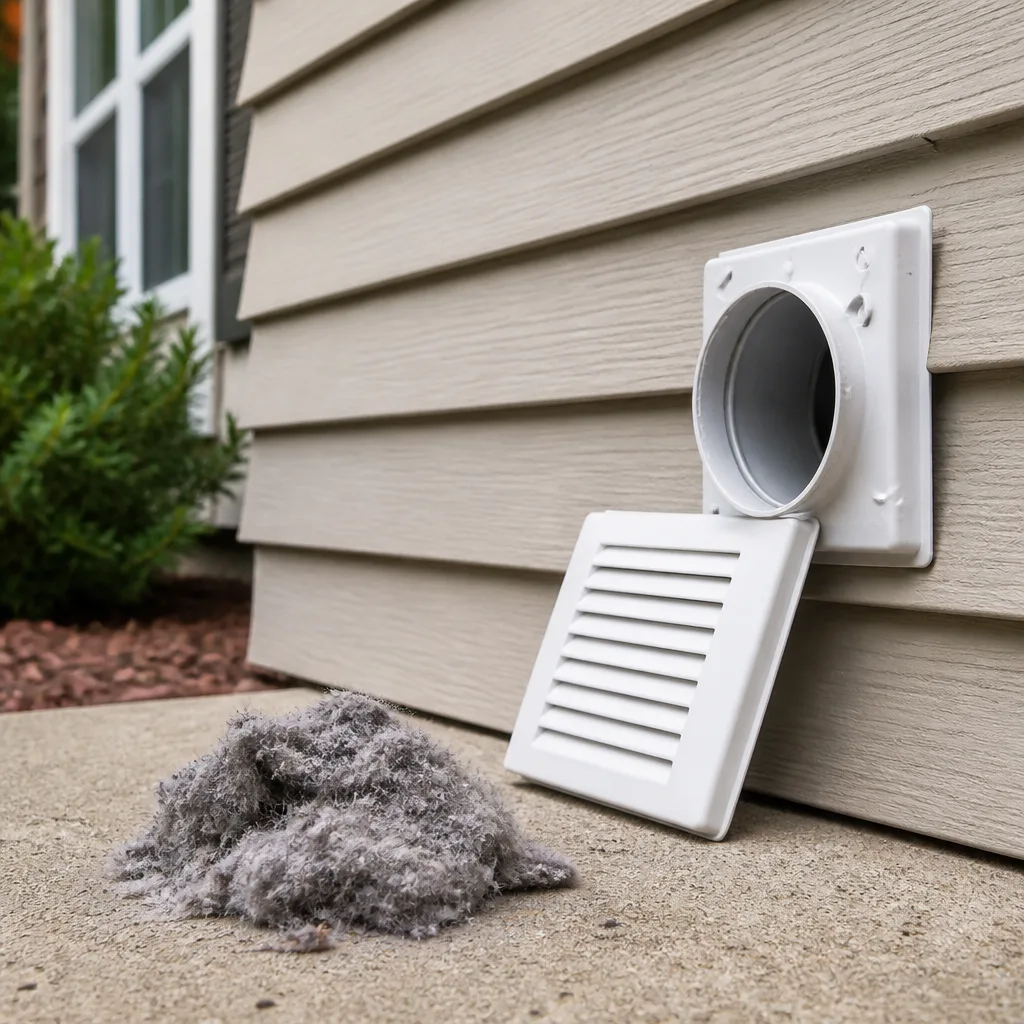 Dryer vent cleaning
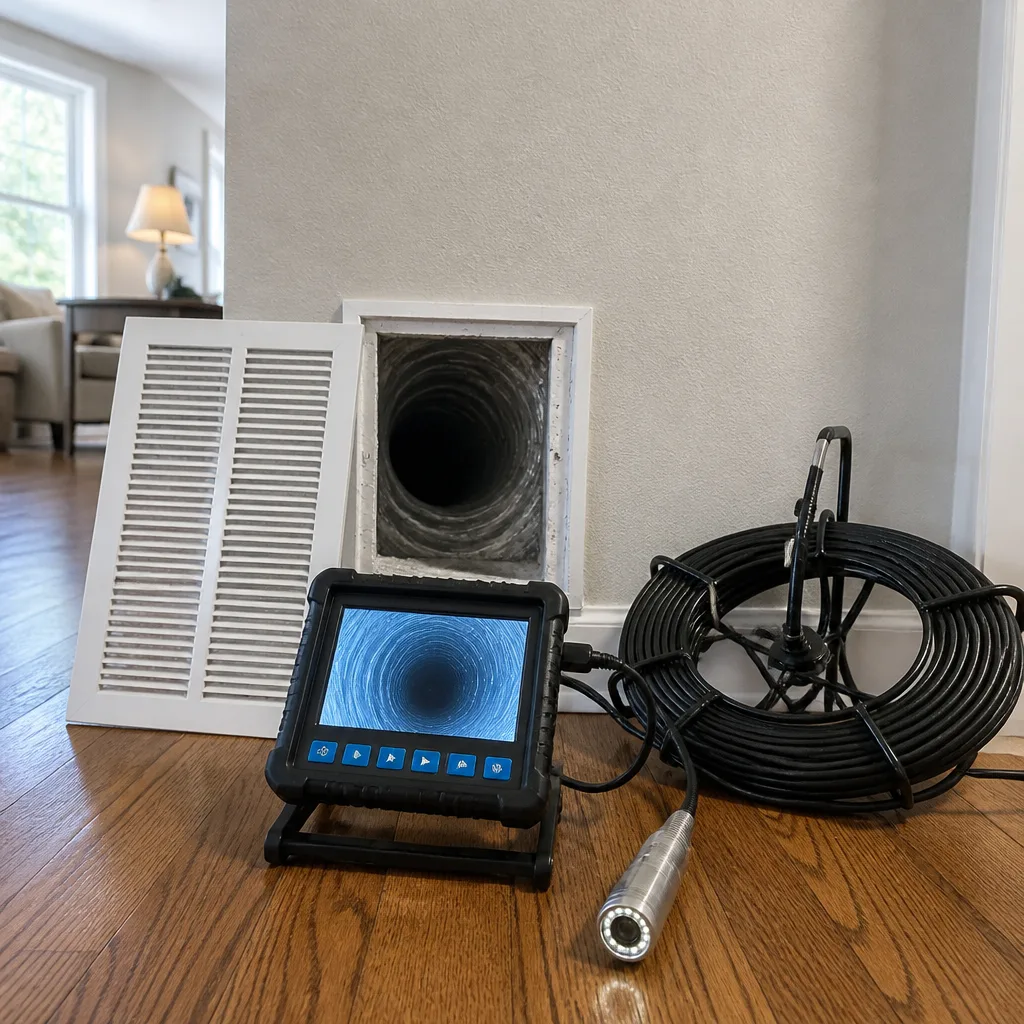 Camera inspection
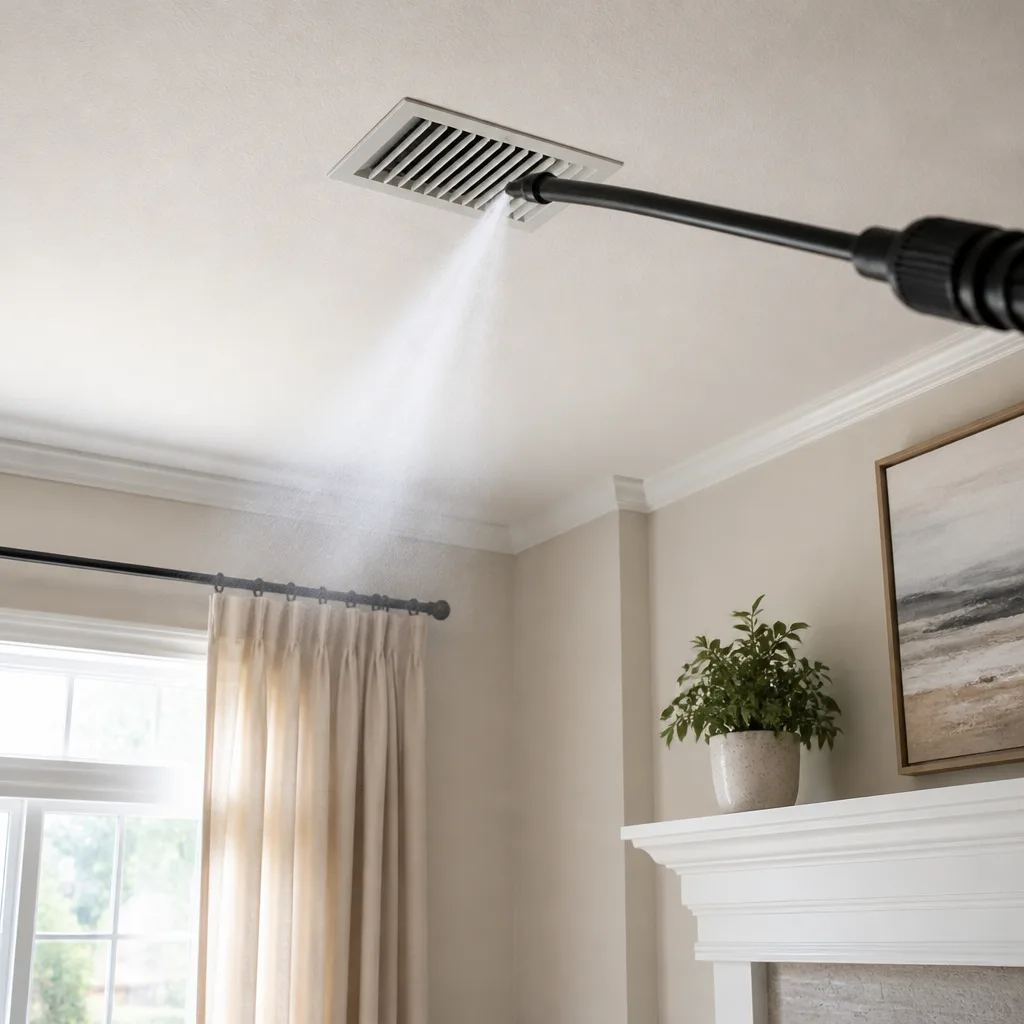 Sanitizing & deodorizing
Whole-system duct and dryer vent check with before-and-after photos - you see exactly what came out of your vents
That "$99 whole-house special" is a bait ad - the real number appears once they are in your hallway, or the "clean" is a shop-vac at the register. We photograph the inside of your ducts before and after instead.
Air Duct Cleaning Permits, Codes & Inspections in Upper East Side, NY: What You Need to Know
A contractor who tells you duct cleaning never requires any permits in New York City is technically right about the cleaning, and potentially wrong about everything else they’re doing during that same visit. Routine maintenance cleaning of an existing duct system generally falls outside the Department of Buildings filing process. But the moment a job shifts into cutting new duct runs, sealing and rerouting, or replacing components tied to the shared building system, it crosses into alteration territory, and that line carries real liability for both unit owners and building management on the Upper East Side. What follows is a clear guide to where that line falls: what the NYC Building Code treats as maintenance versus alteration, how co-op and condo alteration agreements apply to HVAC work, when a cleaning becomes a notifiable job, and the paper trail that protects you afterward.
Quick Answer
In Upper East Side, NY, air duct cleaning itself is maintenance and does not normally require a DOB permit, but duct modifications, new ductwork, component replacement, and any work that affects a shared building system can require filings, an alteration agreement, and sign-off. The permit question turns on whether the work is maintenance or alteration, not on the word “cleaning.”
Styles & brands we work with
- Whole-home duct cleaning
- Dryer vent cleaning
- Camera inspection
- Sanitizing & deodorizing
Table of Contents
- Maintenance Cleaning vs. Alteration Work: Where NYC Draws the Line
- How Local Law 97 and the Energy Code Touch Duct Sealing Work
- Co-op and Condo Board Alteration Agreements: Who Gets Sign-Off
- DOB Filing for Duct Modifications in Class A Multiple Dwellings
- What Inspections Actually Cover After Cleaning or Repair
- How to Protect Yourself as a Unit Owner
- How to Vet a Duct Contractor in Upper East Side
- Common Mistakes to Avoid
Maintenance Cleaning vs. Alteration Work: Where NYC Draws the Line
NYC’s building regulations separate routine maintenance from work that alters a building’s systems. Cleaning that removes accumulated dust and debris from an existing duct pathway inside existing walls is maintenance. The structure stays fixed, the layout stays fixed, and the work restores the system to its original function. That is the category most residential air duct cleaning in a prewar or postwar Upper East Side apartment falls into.
Alteration is different. The Building Code treats work that changes the configuration, capacity, or components of an HVAC system as a construction or alteration activity, which brings in different requirements. In practice, the following tasks move a visit from maintenance into alteration territory:
- Adding a new supply or return run to a room that previously had none
- Rerouting ductwork or relocating a register
- Replacing a significant portion of rigid duct, plenum, or a major system component
- Cutting through a party wall or a rated assembly to access or extend ductwork
- Any change that alters the shared ventilation balance in a multi-unit building
Cleaning and sanitizing the inside of existing ductwork, applying a Guardsman antimicrobial treatment, or installing a filter upgrade at the air handler generally stays on the maintenance side. Repairing a small leak in a flexible joint can too, depending on scope. The gray zone is sealing work that materially changes airflow across a shared riser, which is exactly why a written scope matters before anyone opens a wall on the Upper East Side.
How Local Law 97 and the Energy Code Touch Duct Sealing Work
Local Law 97 sets carbon emission limits for larger buildings, and duct sealing is one of the practical efficiency measures that shows up in compliance planning. Leaky ducts waste conditioned air, which pushes systems to work harder and drives up both energy use and emissions. For a co-op or condo board thinking about their building’s carbon profile, sealed ducts and a cleaned HVAC system are low-drama improvements that support the larger efficiency picture.
New York State’s energy code also applies to HVAC work done as part of larger alterations. When a project is already a filed alteration, the efficiency requirements for duct sealing and insulation get folded into that scope, and the ducts are expected to meet certain leakage and insulation standards as part of the job. Routine cleaning does not trigger those requirements. A duct repair and sealing project that’s already going through a board and possibly a DOB filing often does.
Here’s the practical upshot for Upper East Side residents: duct sealing is one of the rare HVAC tasks that serves both your comfort and your building’s regulatory obligations at the same time. That makes it worth doing as a planned job, not a squeezed-in add-on at the end of a cleaning appointment. Our team works with sealing and repair as a core service for exactly this reason, using Rotobrush and Nikro equipment to clean the pathway first so that sealing work isn’t trapping debris behind it. If your building is weighing efficiency measures, the conversation is easier when the cleaning, sealing, and documentation come from one scope.
Co-op and Condo Board Alteration Agreements: Who Gets Sign-Off
Most every co-op and condo on the Upper East Side has an alteration agreement that governs HVAC work inside a unit. These agreements weren’t written with duct cleaning in mind, but they typically cover any work that touches the shared system, which is how a cleaning job can suddenly require a board submission. Reading your building’s alteration agreement before hiring anyone is the single most useful step a unit owner can take.
Most alteration agreements require the following:
- Written approval from the board or managing agent before work begins
- Proof that the contractor carries insurance meeting the building’s minimum coverage requirements
- Submission of the proposed scope of work, sometimes with drawings
- A licensed and insured contractor who signs the building’s work rules
- A requirement to restore any common areas used for access
- Sometimes a deposit or a hold-back tied to the work completion
Responsibility for getting sign-off sits with the unit owner, not the contractor. A contractor can help by furnishing insurance certificates and a written scope, but the board relationship belongs to the shareholder or owner. When sign-off is skipped, the risk is real: a board can require removal of unauthorized work, and a neighbor complaint about noise, debris, or airflow changes can escalate fast in a dense Upper East Side building. Our advice is to ask your managing agent directly whether your job needs an alteration agreement before you book, and to get the answer in writing. It saves a costly backtrack later.
DOB Filing for Duct Modifications in Class A Multiple Dwellings
Class A multiple dwellings are the standard residential apartment buildings across the Upper East Side, and they carry their own filing expectations. Routine maintenance cleaning doesn’t require a DOB filing. Duct modifications, new duct runs, and changes to a building’s HVAC distribution do, and that’s the threshold where a cleaning appointment becomes a notifiable alteration.
In practical terms, the line usually falls in one of these spots:
- New ductwork added to serve an area that previously had none
- A change in the number or location of supply and return outlets
- Work that affects mechanical ventilation serving more than one unit
- Any modification to fire-rated or smoke-rated duct assemblies
For a single-family townhouse on the Upper East Side, the picture is simpler and often handled by a licensed contractor and a straightforward filing. For an apartment in a Class A building, the shared system means the DOB and the building’s own alteration process often overlap. When in doubt, ask the DOB directly or have your managing agent confirm. A cleaning that stays a cleaning files nothing. A cleaning that hides a reroute inside its scope is a different story.
What Inspections Actually Cover After Cleaning or Repair
An inspection after duct work answers a specific question: does the system now do what the scope said it would? For a maintenance cleaning, that’s usually an in-person verification with before-and-after photos and a walkthrough of the registers. For filed alteration work, the inspection is a formal step tied to the filing, and a licensed professional signs off when the work is complete.
What a post-job walkthrough typically covers:
- Visual confirmation that each register and return is clear and unobstructed
- Before-and-after photos of the duct interiors, not just the vents
- A check that the air handler, coil, and blower were cleaned as scoped
- Confirmation that any sealing or repair work is intact and airflow is balanced
- Documentation of sanitizing treatment if it was part of the job
The photo record is the piece most homeowners underestimate. It’s the difference between “we cleaned your ducts” and proof that the work inside the walls actually happened. In our experience, a professional-grade system like Rotobrush with Abatement Technologies negative-air containment lets a technician capture that evidence cleanly while keeping dust out of the living space. When a board or a neighbor later raises a question, that record is what ends the conversation.
How to Protect Yourself as a Unit Owner
Work in a shared system carries shared risk, so documentation is your best defense. Before any duct work begins on the Upper East Side, put together a simple file. It takes less effort than most people expect and pays off the one time you actually need it.
Keep these items together:
- The contractor’s written scope, signed and dated, distinguishing cleaning from repair or alteration
- The certificate of insurance naming your building where required
- Board or managing agent approval, in writing, for any work touching the shared system
- Before-and-after photos of the ducts and any repaired or sealed sections
- Any DOB filing number and inspection sign-off if the work crossed into alteration
- A record of the sanitizing treatment product used, if you had one applied
The value shows up in two places. First, if a neighboring unit reports an airflow change or a noise complaint, you can show the scope and the photos. Second, if you sell, a well-documented HVAC service history is a small but real asset in the Upper East Side market, where buyers and their attorneys ask sharp questions about building systems. Beyond the file, if any work crosses into alteration, keep a copy of the DOB filing and the inspection record. That’s what protects you if the board or a neighboring unit raises a complaint later.
How to Vet a Duct Contractor in Upper East Side
Ask pointed questions and listen for specific answers. A contractor who can explain the difference between cleaning and alteration, and who knows when a job needs a board submission or a DOB filing, is one who understands the local landscape. A contractor who waves the question away is telling you something too.
Useful checks before you hire:
- Can they describe the equipment they’ll use? Rotobrush, Nikro, and Abatement Technologies are the names a serious operation mentions.
- Do they separate cleaning from repair and sealing in the scope, or lump everything together?
- Can they provide a written scope, before-and-after photos, and insurance documentation on request?
- Do they understand the alteration threshold and how it applies to your building type?
- Will they put the price in writing before work starts?
Our technicians have up to 14 years of experience and know the difference between an Upper East Side prewar duct layout and a newer condo build. We operate as the full-system indoor air specialist, which means we clean, repair, seal, sanitize, and can install air-quality upgrades with Honeywell and Aprilaire products in one scope, not a series of separate appointments. If you need the cleaning half of the job done well and the documentation to prove it, Air Duct Cleaning Upper East Side is set up to deliver both.
Common Mistakes to Avoid
- Assuming cleaning never needs any paperwork at all. That’s true for the cleaning itself and false for the repair or sealing that often rides along. Clarify the scope in writing before work starts.
- Skipping the board’s alteration agreement because “it’s just cleaning.” Any work that touches a shared Upper East Side building system can require board sign-off, and skipping it creates a problem you can’t easily undo.
- Hiring a contractor who can’t explain the equipment. If the answer to “what will you use?” is a shop vacuum and a brush, the answer to “how will you contain dust?” is going to be less satisfying than you’d hope.
- Accepting a per-vent price quote. Duct cleaning is a whole-system job. A per-vent figure invites a bait-and-switch invoice once the technician is in your unit, and a serious scope is priced for the system, not the vents.
- Not documenting the work. Photos, written scope, and a filing record if applicable. Without them, the work is hard to prove and easy to dispute in an Upper East Side co-op setting.
- Treating duct repair as an upsell. Leaking ducts undermine the cleaning you just paid for and waste conditioned air. If a contractor won’t discuss sealing at all, the cleaning may not hold up.
- Ignoring the dryer vent in the same visit. Dryer vents are a leading cause of residential fires and are regularly missed by HVAC-only contractors. Add dryer vent cleaning to the scope if you’re already booking a service.
See the difference
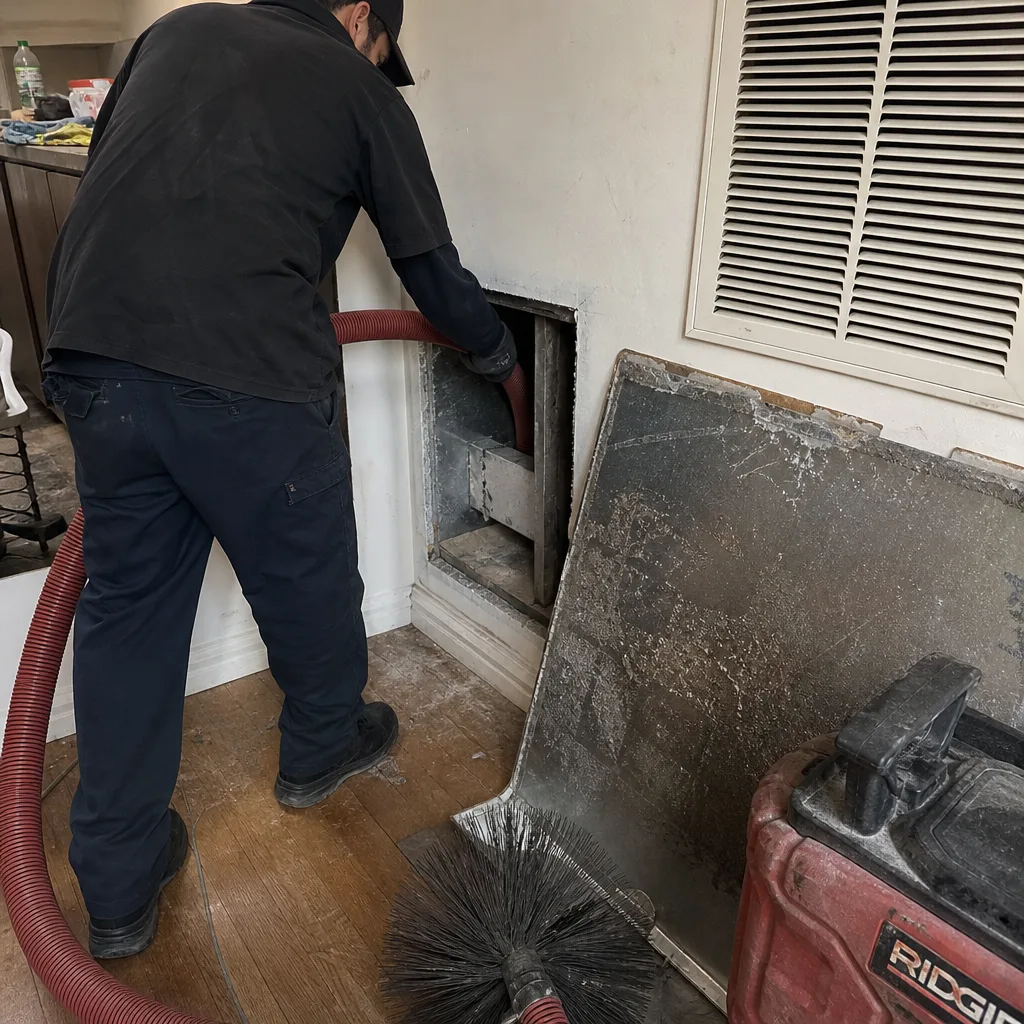 Before
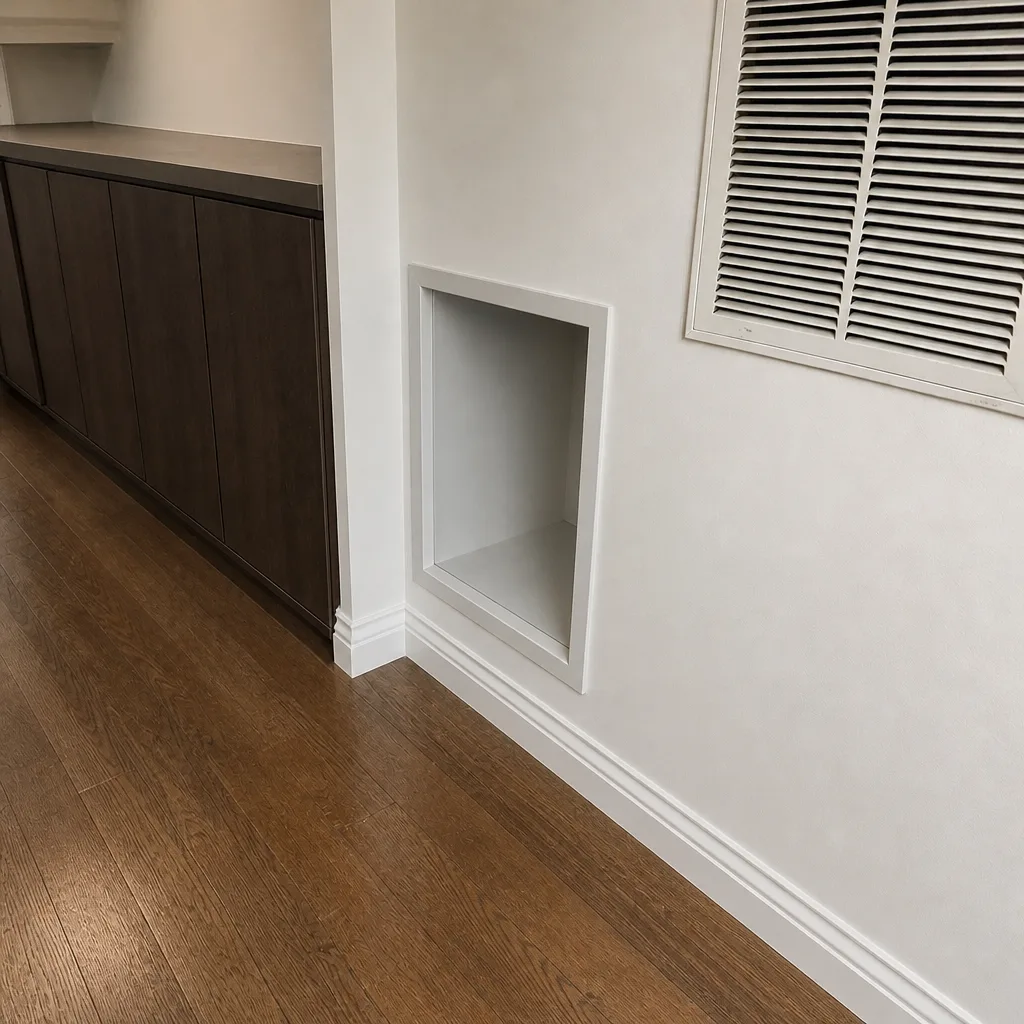 After
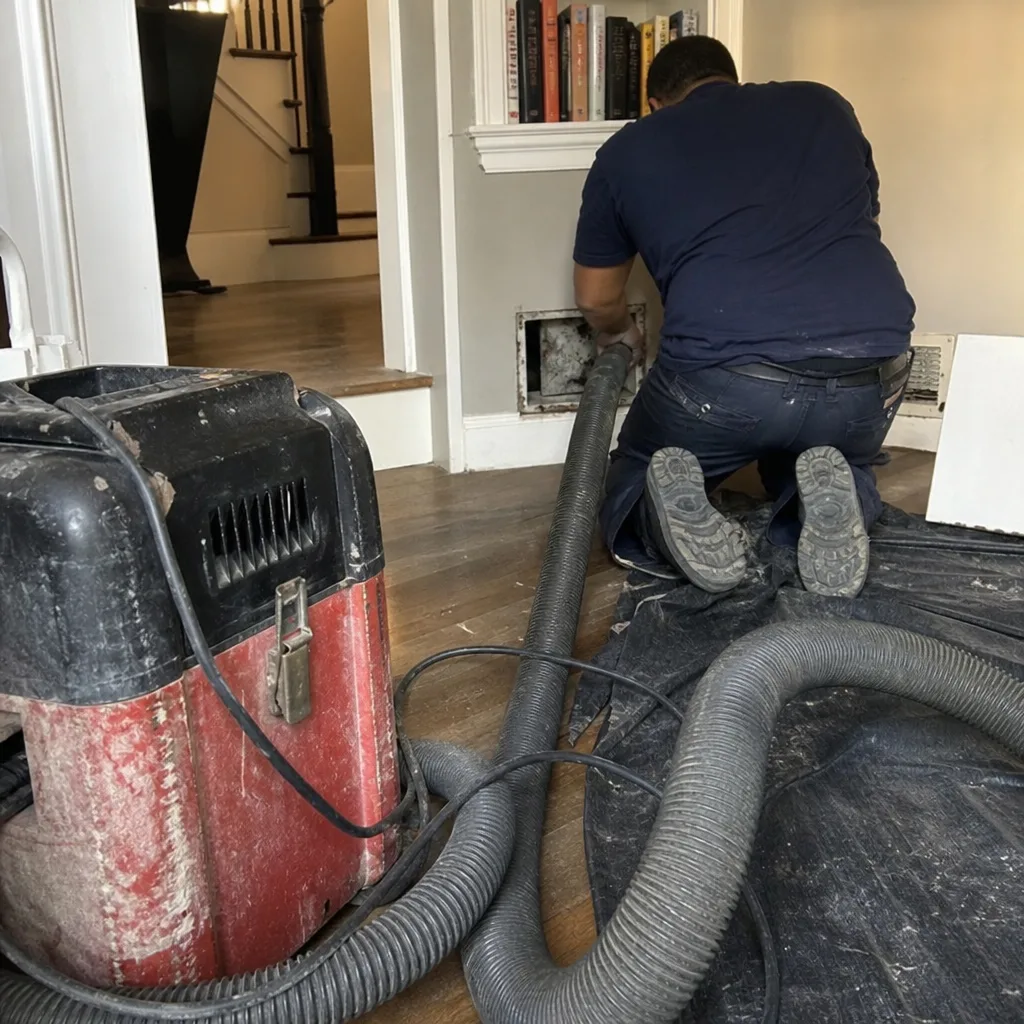 Before
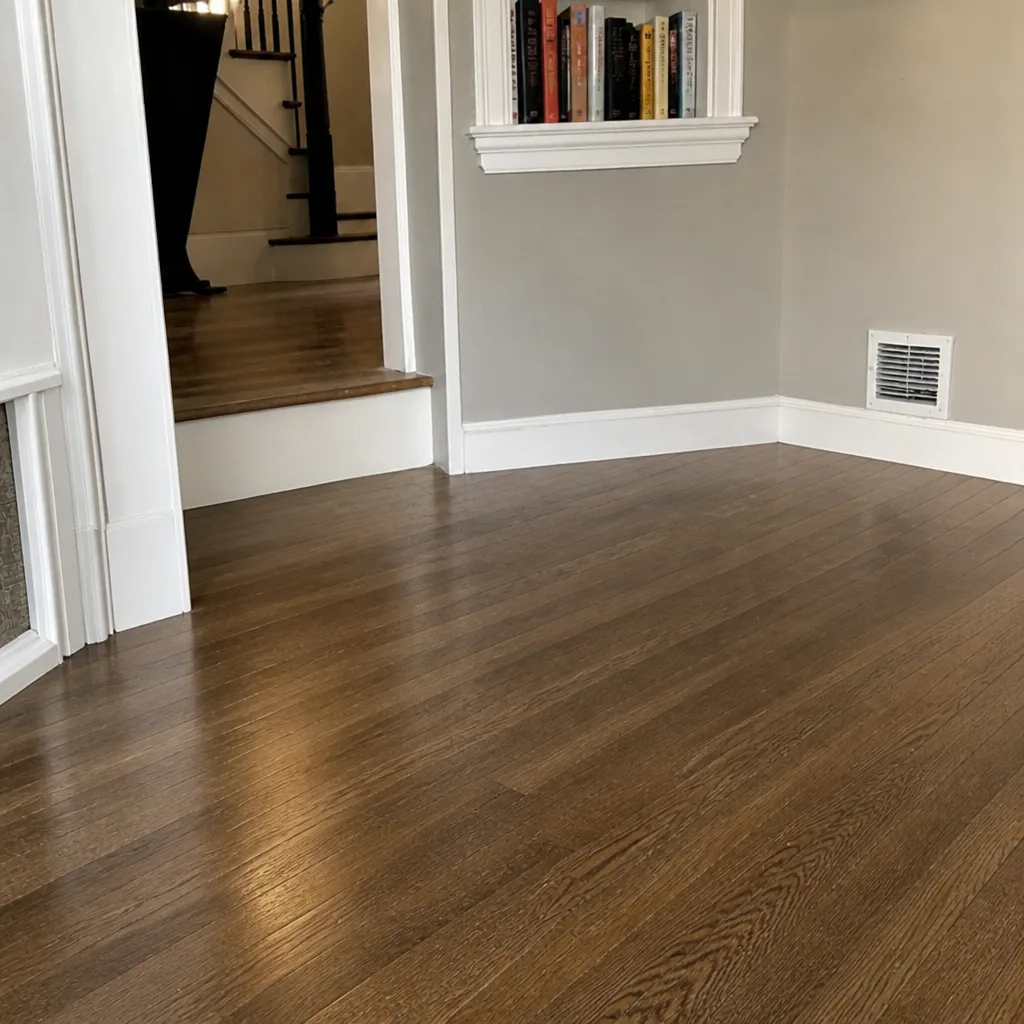 After
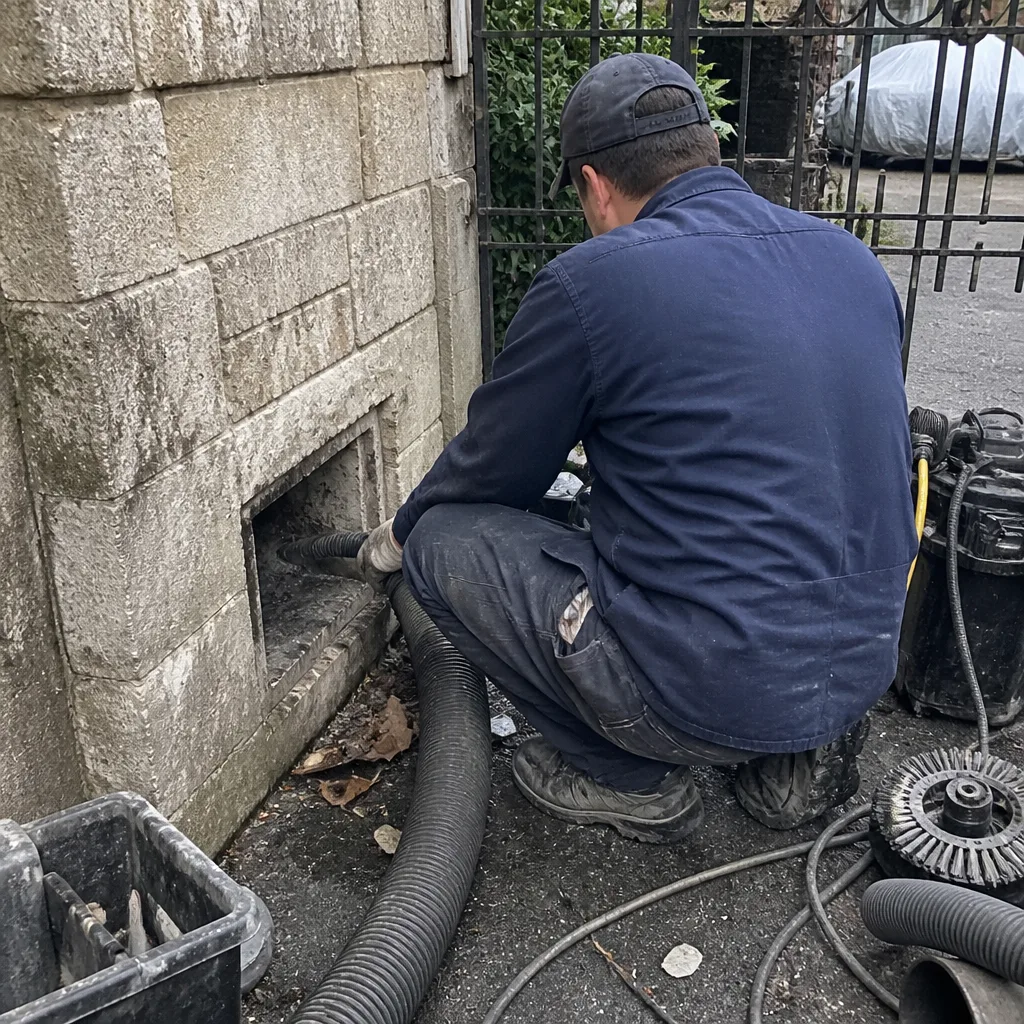 Before
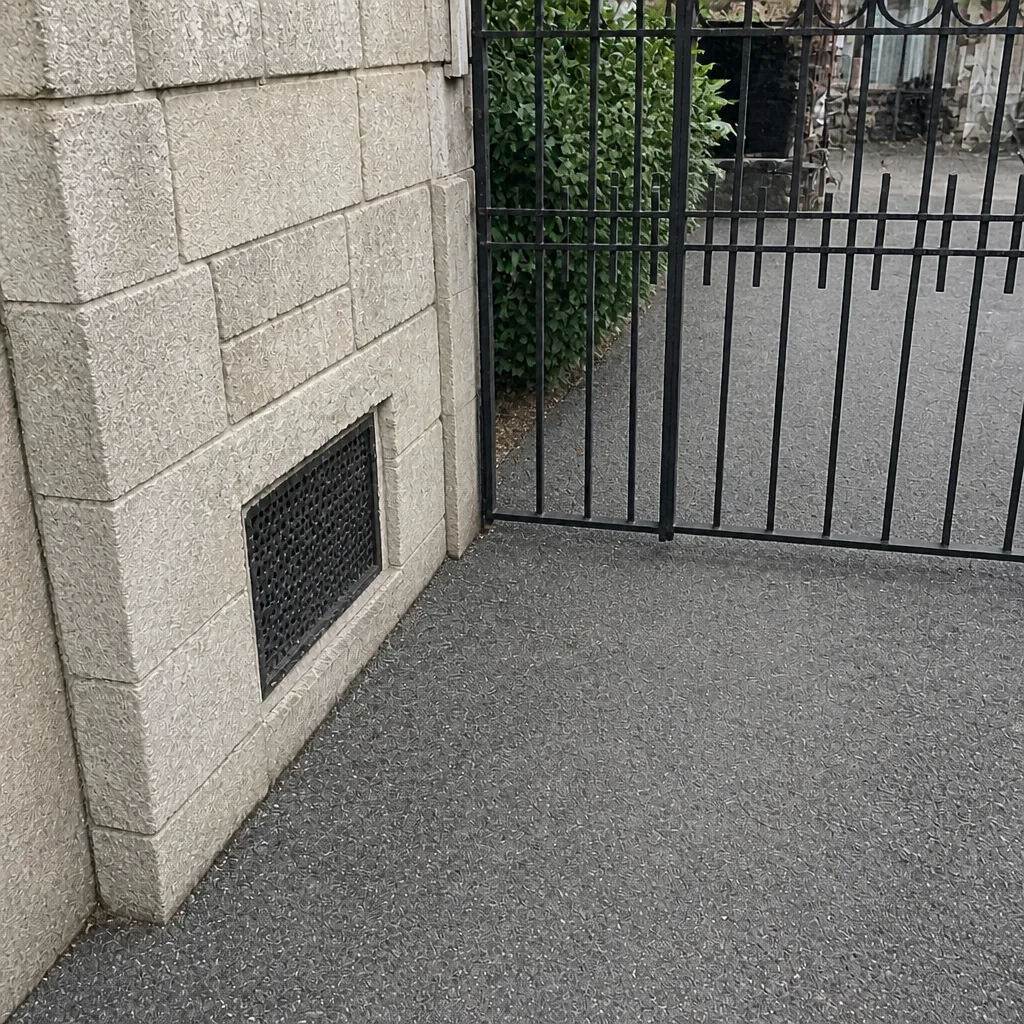 After
When to Call a Professional
Call a professional when you notice visible dust blowing from a register after a recent cleaning, when a room has never felt right since an HVAC change, when there’s a persistent musty smell you can’t trace, or when a board, managing agent, or contractor flags that a duct modification is needed. Call when you’re preparing for a board alteration approval and need a written scope in hand. Call when you’re a property manager responsible for shared-system documentation and want a clean paper trail. A trained professional should confirm in person whether your job is maintenance or alteration, and that confirmation should be written. Choosing a contractor who can walk the full system – cleaning, repair, sealing, and sanitizing – avoids the hand-off problems that happen when three separate trades touch one duct run. HVAC cleaning done as part of the same scope means the air handler, coil, and blower aren’t left half-done after the ducts are clean. Air Duct Cleaning Upper East Side offers free estimates in Upper East Side, with one flat price per system agreed before work starts. Call (844) 443-3814. We answer 24/7. Fast dispatch from 7am to 7pm, Sunday through Friday.
Frequently Asked Questions
No, routine maintenance cleaning of existing ductwork does not normally require a DOB permit. The permit question changes the moment the job involves new duct runs, rerouting, component replacement, or changes to a shared system, which can require a filing and board approval. Call (844) 443-3814 for an exact quote on your job – estimates are free.
It crosses that line when the work changes the configuration, capacity, or components of the system rather than restoring it. Adding a new supply run, relocating a register, replacing a major duct section, or altering ventilation shared across units are the usual triggers. When in doubt, ask your managing agent and confirm with the DOB. Call (844) 443-3814 if you’d like us to look at your scope.
Usually yes, if the work touches the shared HVAC system, which most apartment duct work does. Most alteration agreements require written board approval, insurance certificates, and a stated scope of work before the contractor starts. Responsibility for getting sign-off sits with the unit owner, not the contractor. Call (844) 443-3814 and we’ll help you put together a scope your board can review.
Local Law 97 sets carbon limits for larger buildings, and sealed ducts cut the wasted conditioned air that drives energy use. The state energy code folds duct sealing and insulation requirements into larger filed alterations. Cleaning alone doesn’t trigger these, but sealing work that’s already part of a filed project often does. Call (844) 443-3814 for a free estimate on duct repair and sealing.
Cost depends on system size, accessibility, and whether repair or sealing is part of the scope. It’s priced per job after the system is seen, not per vent, and the written estimate sets the final price. We give a flat rate per system before work starts, with before-and-after photos so you know exactly what was done. Call (844) 443-3814 for an exact quote – estimates are free.
Often because the scope is smaller than it looks: vents wiped, not ducts cleaned, or a shop vacuum instead of professional equipment with negative-air containment. A low headline figure that becomes a larger invoice once the technician is on site is the industry’s oldest bait-and-switch trick, and it’s worth asking what’s actually included. One flat price per system, agreed before work starts, is the honest way to buy this. Call (844) 443-3814 for a free estimate in writing.
The Bottom Line
The cleaning itself rarely needs a permit. The repair, sealing, rerouting, or component replacement that often accompanies a cleaning frequently does, and in an Upper East Side co-op or condo, board approval is usually the first gate you have to clear. The safe pattern is straightforward: get the scope in writing, ask your managing agent whether an alteration agreement applies, confirm with the DOB when the work crosses into alteration, and keep a documented file of photos, filings, and inspection sign-offs. Choose a contractor who separates cleaning from repair, prices the whole system in one flat rate, and can tell you exactly which equipment will be inside your walls. Do that, and the permit question stops being a risk and becomes a detail you already controlled. Air Duct Cleaning Upper East Side offers free estimates: call (844) 443-3814. We answer 24/7. Fast dispatch from 7am to 7pm, Sunday through Friday.
Written by the team at Air Duct Cleaning Upper East Side.