
Last updated November 22, 2026
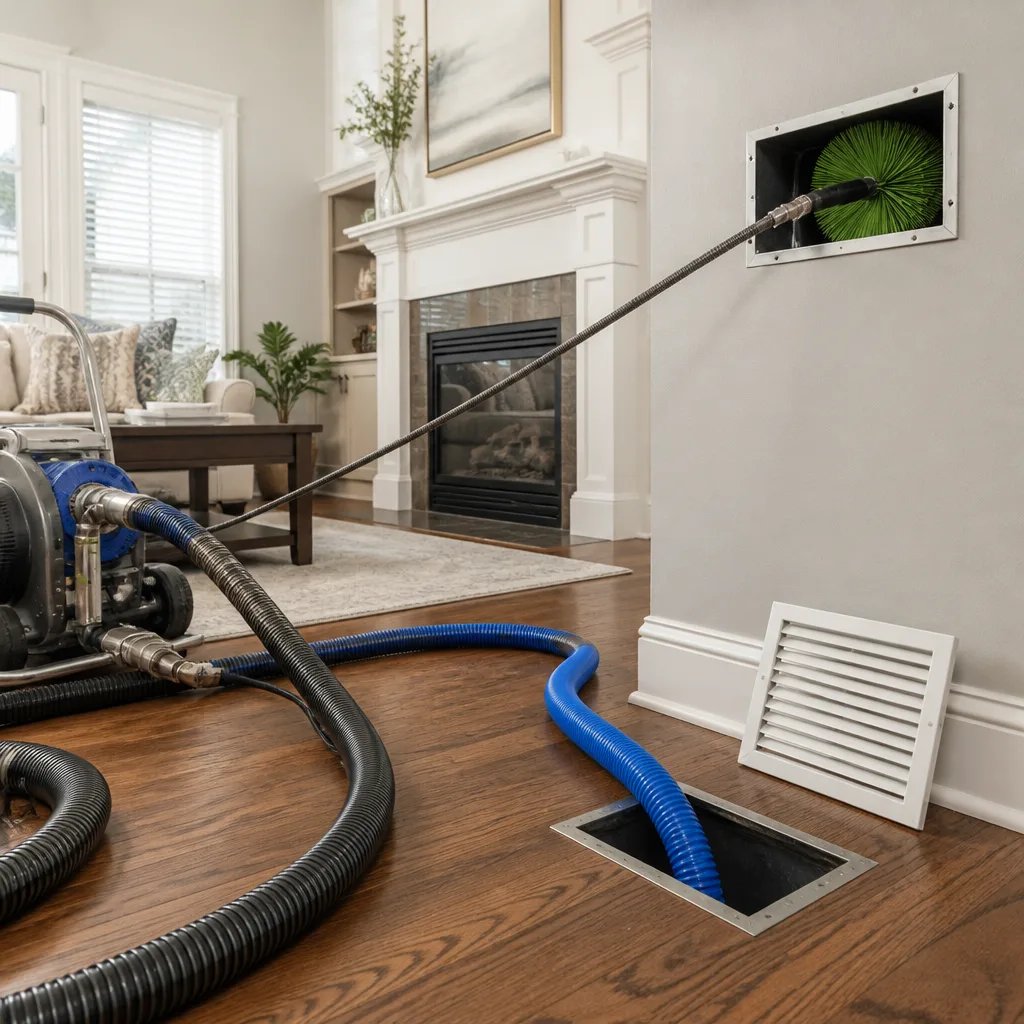 Whole-home duct cleaning
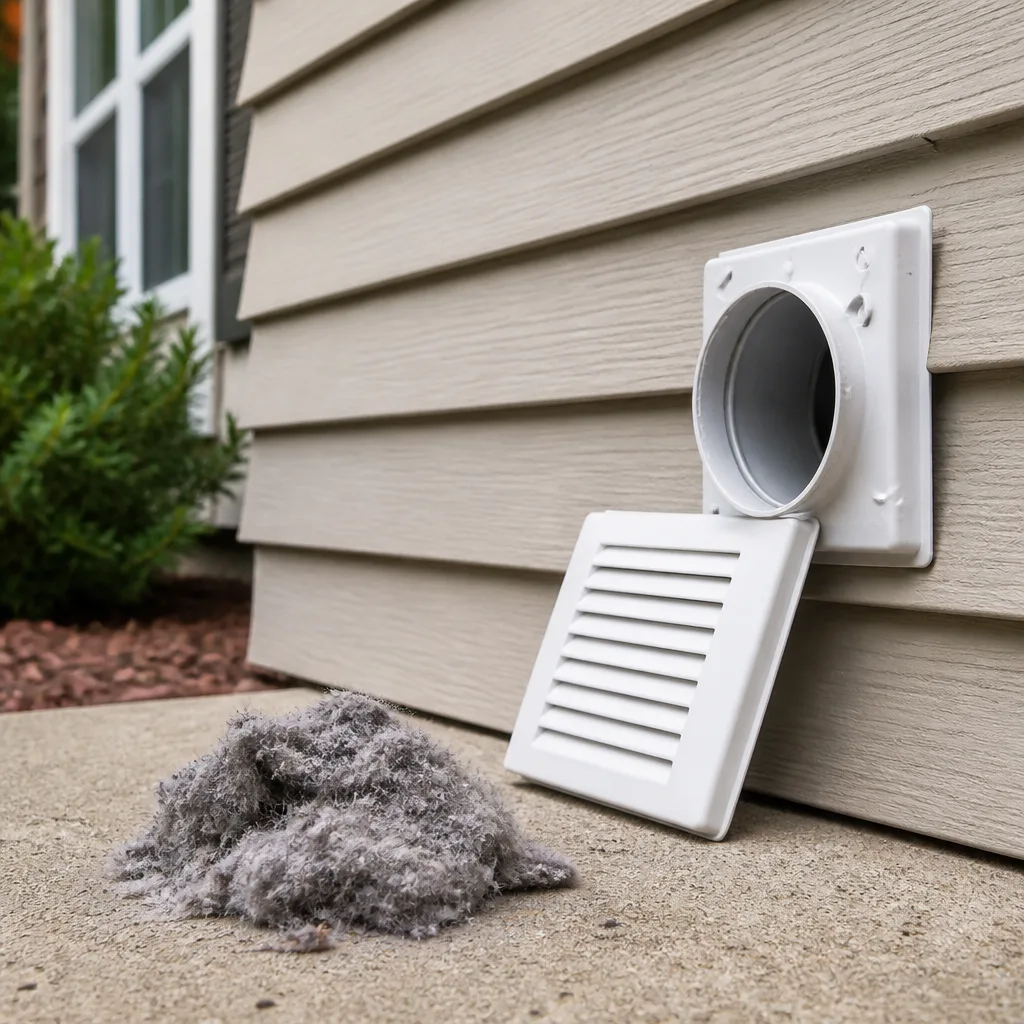 Dryer vent cleaning
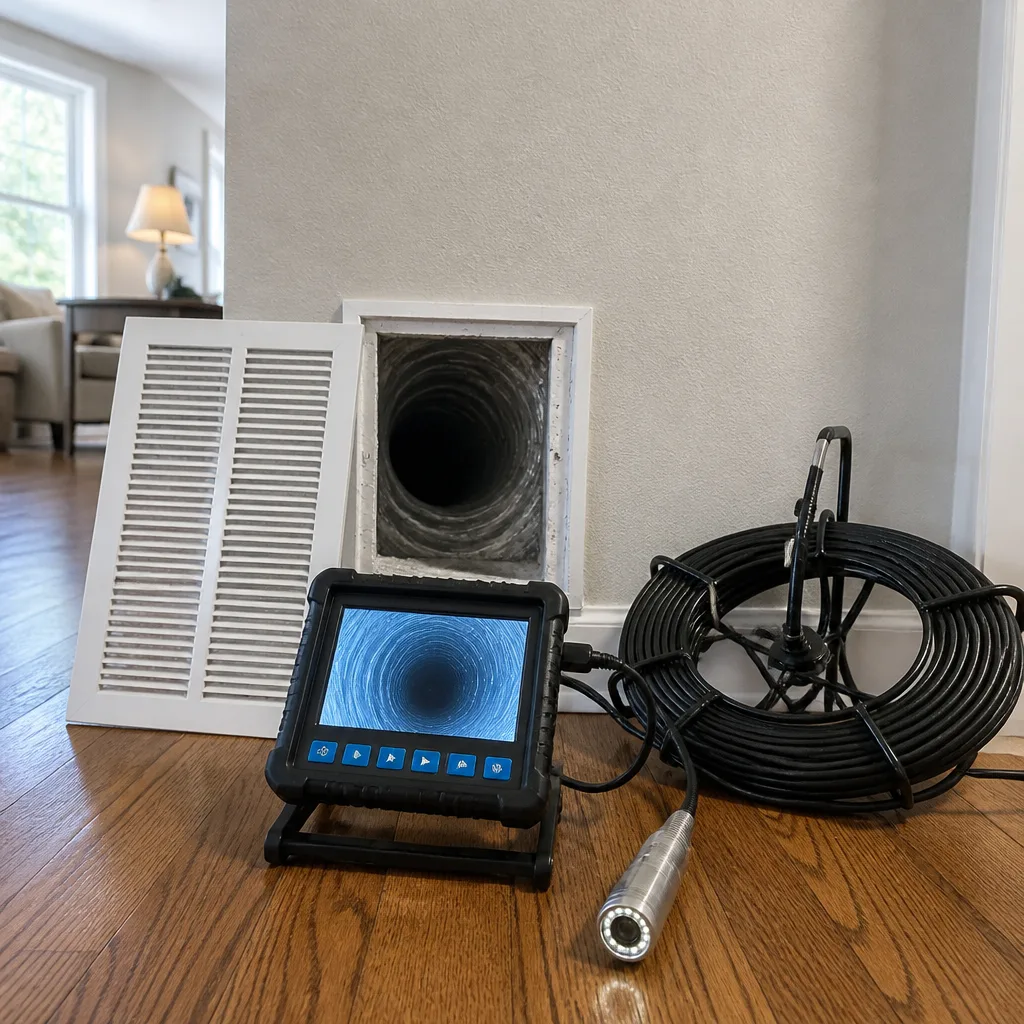 Camera inspection
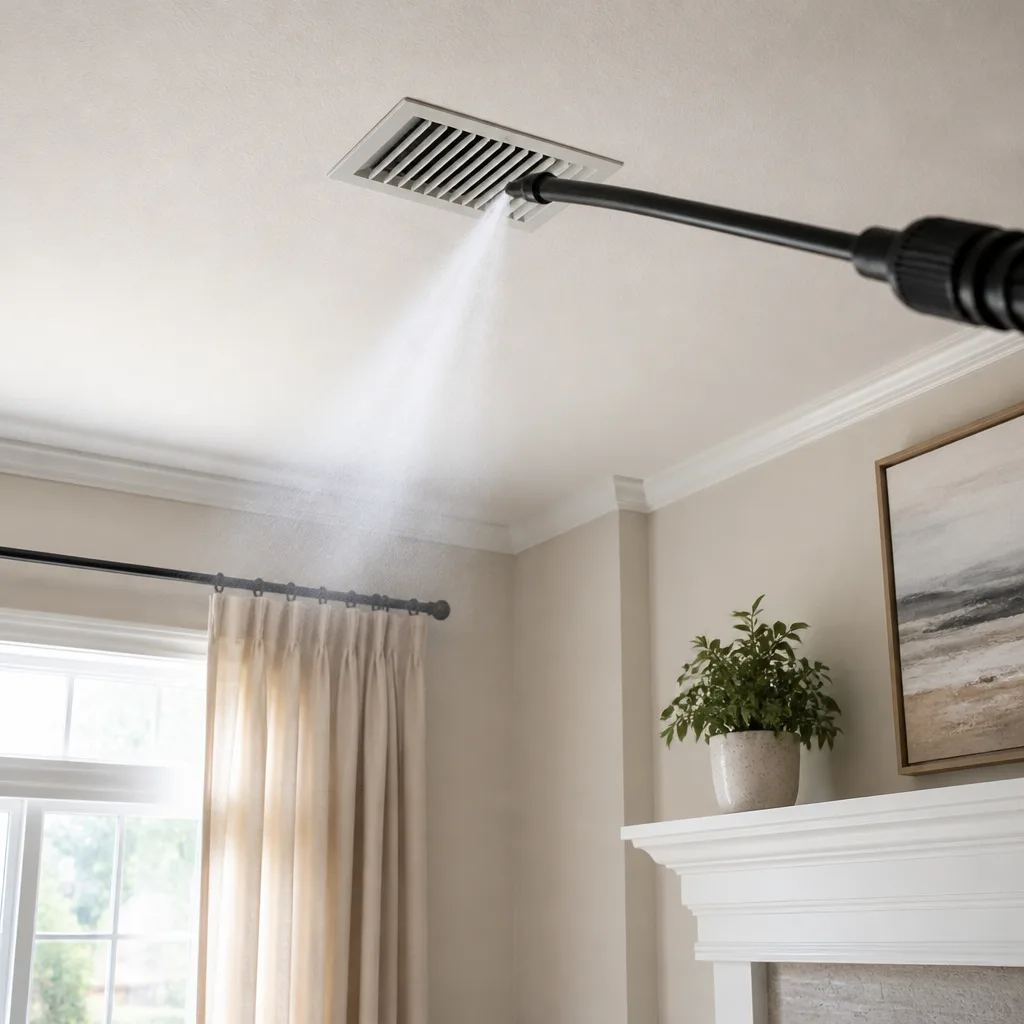 Sanitizing & deodorizing
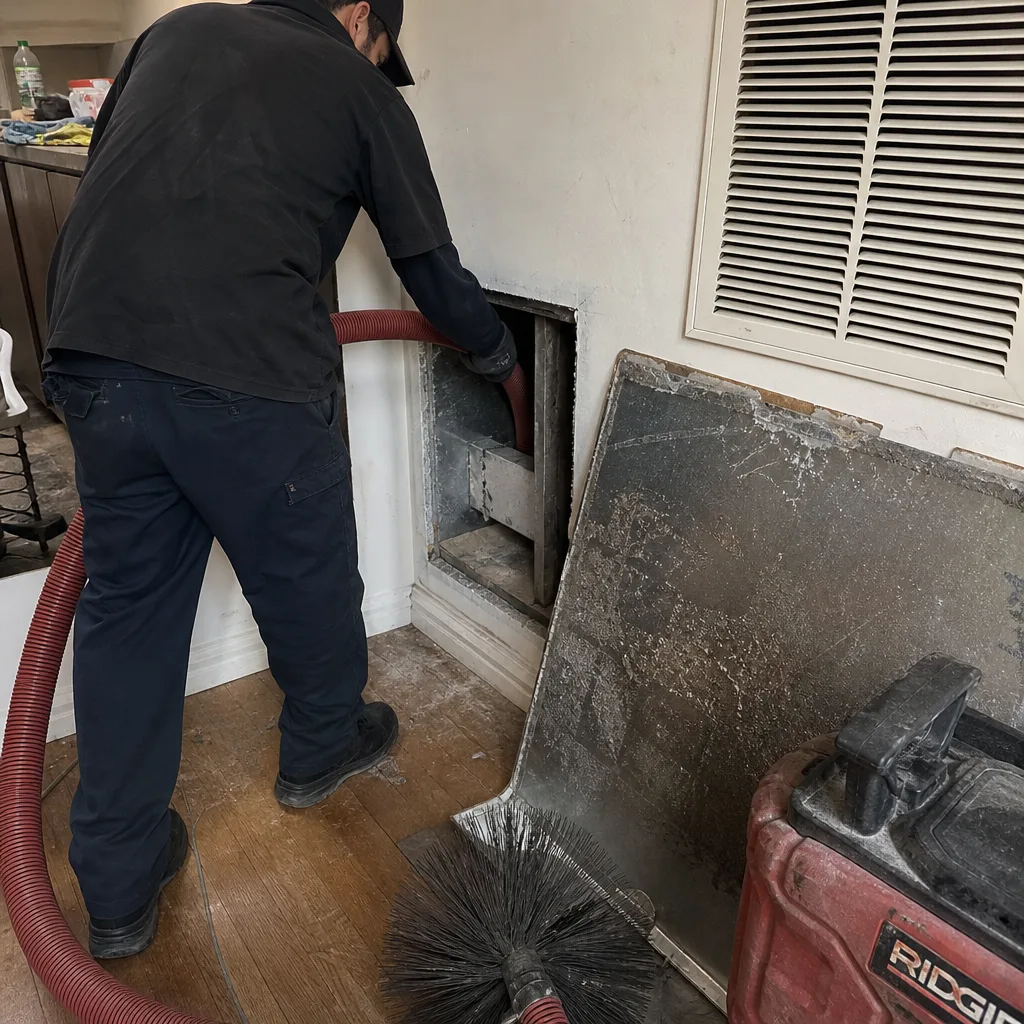
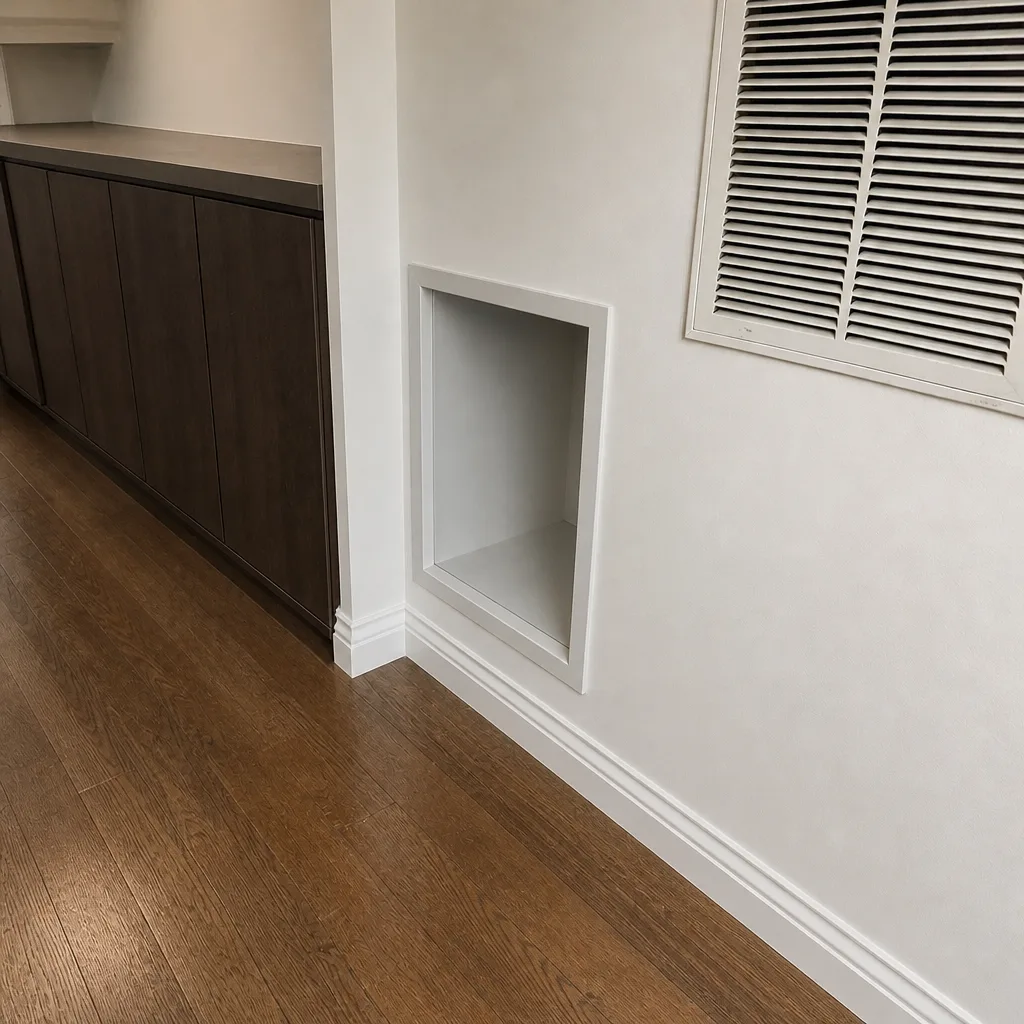
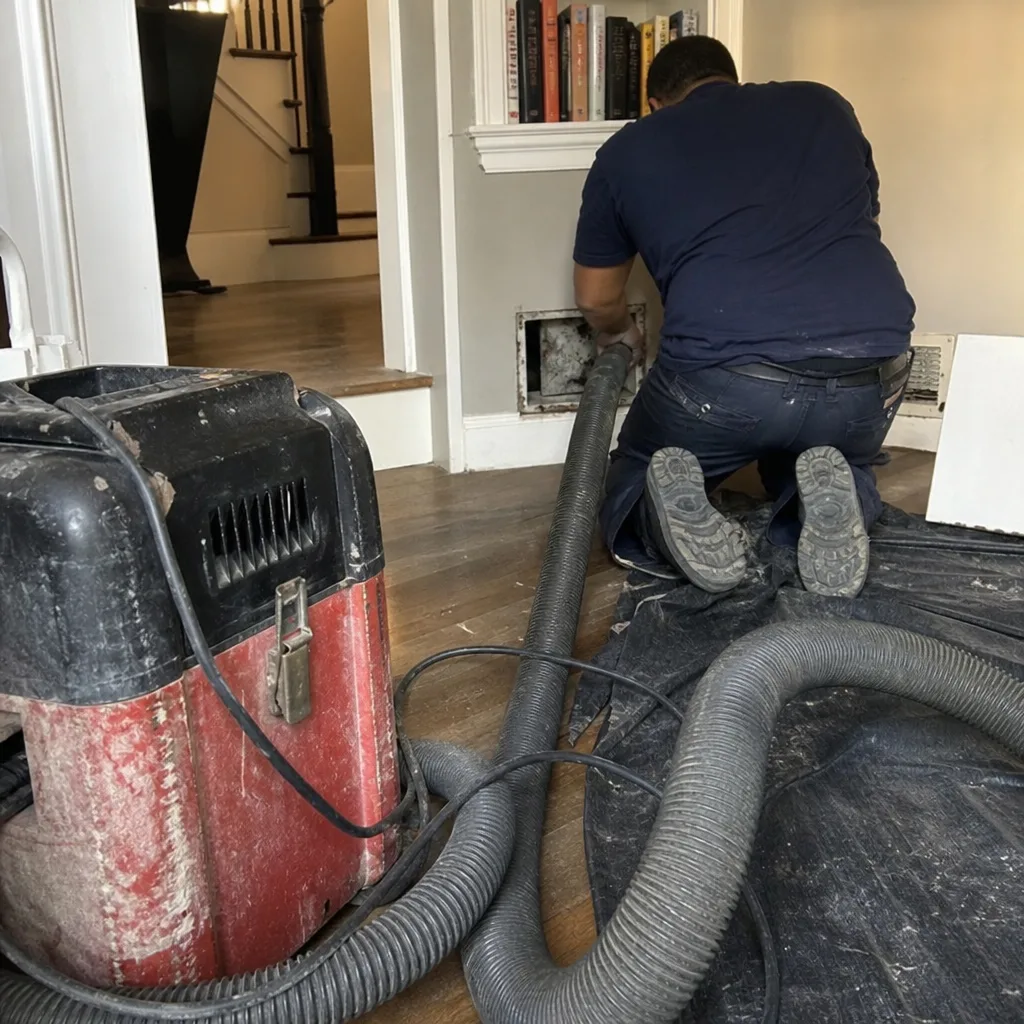
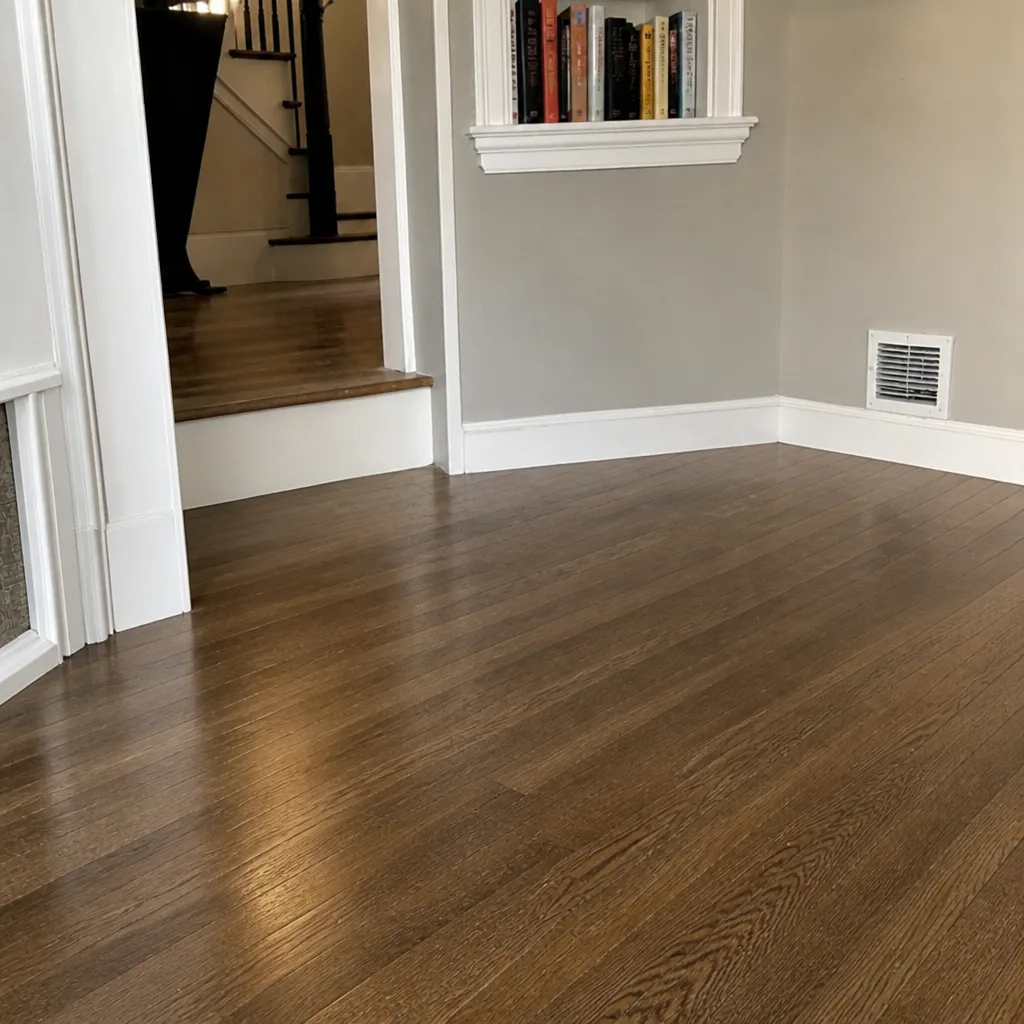
Whole-system duct and dryer vent check with before-and-after photos - you see exactly what came out of your vents
That "$99 whole-house special" is a bait ad - the real number appears once they are in your hallway, or the "clean" is a shop-vac at the register. We photograph the inside of your ducts before and after instead.
Air Duct Cleaning Maintenance Checklist for Upper East Side Homeowners
Filter change schedules printed on the box assume an average home that doesn’t exist in Manhattan. A tenth-floor apartment on a doorman block and a ground-floor co-op facing a bus route load their air systems at completely different rates, even in the same ZIP code. What actually tells you when maintenance is due isn’t the calendar on your wall, it’s the physical evidence inside your air handler, your return grilles, and the flex connectors hiding above your ceiling tiles. We built this checklist around what you can observe, not what a manufacturer’s box predicts, and by the end you’ll know which parts of your system to inspect, how often, and what each sign tells you. This is the Upper East Side version, where building type, floor level, and neighbor construction change everything.
Quick Answer
Air duct maintenance in an Upper East Side apartment should be driven by inspection, not by a printed filter schedule. Check your filter every 4 to 8 weeks depending on floor level and construction activity nearby, inspect return grilles and fan coil drain pans monthly, and schedule a professional full-pathway cleaning roughly every 3 to 5 years, sooner if you’ve had a renovation nearby, visible dust streaks at the returns, or odor that persists after a filter change. In buildings with combined heating and cooling, book a pre-season check before each switchover.
Styles & brands we work with
- Whole-home duct cleaning
- Dryer vent cleaning
- Camera inspection
- Sanitizing & deodorizing
Table of Contents
- Component-Specific Inspection Intervals
- Upper East Side Environmental Factors That Accelerate Buildup
- What You Can Check Yourself vs. What Needs a Technician
- How Renovation Activity Nearby Changes Your Schedule
- Seasonal Checklist: Heat to Cooling and Back
- Eight Visible Signs Your System Is Overdue
- How Building Type Changes Your Maintenance
- Common Mistakes to Avoid
- When to Call a Professional
Component-Specific Inspection Intervals
Every part of an air system ages on its own schedule. A filter is a consumable, a drain pan is a chemical trap for mildew, a flex connector is a mechanical joint that flexes, and duct lining is a surface that collects. Treating them as one item is why so many apartment systems fail quietly instead of loudly.
Filters
In a typical Upper East Side walk-up, a filter may last two months. On a lower floor near a busy avenue, or in a building with a façade project next door, the same filter may load in three weeks. Pull it out and hold it to a light: if you can’t see through it, it’s done. If you can see through it but the edges are grey and matted, it’s nearly done.
Fan Coil Drain Pans
A fan coil’s drain pan sits wet most of the year. That makes it the fastest-growing biological surface in the whole air pathway. Inspect monthly during cooling season and clean it properly twice a year. Standing water, slime, or a musty smell at the coil cabinet means the pan needs attention now, not later.
Flex Connectors
The flexible canvas or metal connector between the air handler and the rigid ductwork flexes every time the fan starts. Over years, small tears appear at the seams. Those tears let unfiltered air from the ceiling void enter the supply side, bypassing your filter entirely. Check them annually with a flashlight, and check them again immediately after any work in the ceiling.
Return Air Grilles
Return grilles take the heaviest load of debris because they pull unfiltered room air across the face. Wipe them monthly. Look for dark streaking fanning out from the fins, which is a sign the duct behind the grille is loaded.
Accessible Ductwork
Any duct run you can see with a flashlight should be inspected once a year. Lining that has collapsed, seams with visible dust trails, or a joint that moves when you touch it all point to the same conclusion: the system needs professional attention.
Upper East Side Environmental Factors That Accelerate Buildup
The same system in a suburban house and in your apartment will load at completely different speeds. Three forces on the Upper East Side push faster than most homeowners realize, and all three shape what we look for during a scheduled visit.
Street-Level Particulates on Lower Floors
Apartments on lower floors pull in more coarse particulate from bus routes, delivery traffic, and street-level construction. Those particles settle into return grilles and the return-side duct lining within a season. If your unit is at or just above street level, halve the filter interval printed on the box.
Roof Mechanical Room Proximity on Upper Floors
Upper-floor units are close to rooftop fans, cooling towers, and mechanical rooms. Vibration and negative pressure from those systems pull air through gaps in the ceiling plenum, which brings fine airborne debris directly into the return side of your system. Filters load fast up here for a different reason than they do downstairs. If your unit is near a rooftop plant, plan on a filter check every 4 weeks.
Hallway Pressurization
Most Upper East Side co-op and condo corridors are positively pressurized to keep odors from migrating between units. That pressurization also pushes hallway air into any apartment whose return is balanced toward the corridor. If your system pulls hall air, your filter is doing double duty for a whole hallway. You’ll notice this most in winter, when the building envelope tightens up.
What You Can Check Yourself vs. What Needs a Technician
Some checks belong in your hands. Others require a camera or a pressure gauge, and attempting them yourself risks damaging the system or, worse, your ceiling. Here’s the split.
Checks You Can Do Safely
- Swap the filter and note the date on the edge frame.
- Wipe return grilles and look for streaks or dark fans.
- Open the fan coil cabinet (if accessible without tools) and look at the drain pan for standing water.
- Look at any visible flex connector for tears along seams.
- Run the system with the filter removed briefly to listen for new rattles or a whistling note.
- Note any odor that appears at the supply registers when the system starts.
Checks That Need a Technician
- Inside-surface inspection of duct lining with a rotoscope camera.
- Static pressure testing across the coil and the return path.
- Leak testing at seams and joints behind closed drywall.
- Any work inside a live electrical compartment, which we don’t recommend to anyone except a trained professional. Air handler cabinets hold line voltage and capacitors that stay charged after the breaker is off. This is a genuine injury risk, not a caution.
- Sanitizing treatment of coils and duct interiors. Professional equipment from Rotobrush and Nikro reaches surfaces no consumer tool can, and Guardsman-backed treatments leave a documented protective layer inside the ductwork.
How Renovation Activity Nearby Changes Your Schedule
Construction in a neighboring unit is the single biggest schedule-shifting event in an Upper East Side building. Dust from a gut renovation doesn’t stay in the unit being renovated. It travels through shared plenums, elevator shafts, and the corridor pressurization we mentioned above. If a neighbor has demo work underway, treat the next 60 to 90 days as an accelerated maintenance period.
What to Do When the Unit Next Door Goes Under Renovation
- Double up on filter checks for the duration of the demo phase, and change it the moment light won’t pass through.
- Photograph your return grilles before the work starts and after it finishes, so you have a record of dust load.
- Seal windows on the renovation side with painter’s tape if the building’s exterior work is producing dust directly outside. It’s cheap insurance.
- Book a full-system inspection 30 days after demo ends. The dust settles in stages, and inspecting too soon misses the tail.
- If you share a return plenum or fan coil with another unit, ask your building manager whether the shared ductwork also needs a look.
Air containment matters more during adjacent renovation than any other time. Professional air duct cleaning with Abatement Technologies negative-air equipment posts up at the work area and pulls contaminated air out of the space rather than letting it settle further into your system, which is the opposite of what a shop vacuum does.
Seasonal Checklist: Heat to Cooling and Back
Buildings with combined heating and cooling systems (fan coils, heat pumps, four-pipe systems, most of the Upper East Side’s mid-century stock) need a check at each switchover. Skipping it is one of the most common reasons a system fails in the first hot week of the year.
Before Switching From Heating to Cooling
- Replace the filter, even if the light test says it has life left. You want a fresh baseline entering the cooling season.
- Clean the fan coil drain pan and verify the drain line flows freely. A clogged line in a first hot week floods a ceiling faster than anything else we’re called to.
- Inspect the outdoor condenser or rooftop unit for winter debris (leaves, plastic bags, construction sheeting).
- Look at every visible flex connector.
- Run the system for five minutes and listen for new rattles or a compressor that short-cycles.
- Ask the building manager if the riser or plenum shared with your unit has been cleaned in the current maintenance cycle.
Before Switching From Cooling to Heating
- Check the drain pan one final time and clean it before the system sits idle.
- Inspect the heat exchanger cover or heating element compartment visually. Don’t open a live electrical panel to look further; that’s a technician’s job.
- Swap the filter.
- Note any odor that only appears on the first heat run of the year. A burning smell may be normal dust on the element, but a metallic or gas smell is a stop-and-call moment.
- Confirm the thermostat schedule matches the way you’ll actually heat the apartment.
Eight Visible Signs Your System Is Overdue
Calendar reminders pass silently, but the system leaves evidence. These eight signs are the ones we look for first in any Upper East Side apartment, and any one of them is enough reason to schedule an inspection.
- Dark streaking on the wall or ceiling around a supply register.
- Return grilles that look stained even after cleaning.
- A musty smell that returns within a week of a filter change.
- Visible dust trails along the seam of any accessible duct run.
- Drain pan water that looks cloudy or has an odor.
- A flex connector that moves more than it should when you touch it.
- Rattle or whistle from the air handler specifically at startup.
- An apartment that reaches target temperature more slowly than it did a year ago.
How Building Type Changes Your Maintenance
Not every Upper East Side system loads the same way. Pre-war buildings, post-war co-ops, and modern full-service towers each carry their own maintenance bias. Match your checklist to the building you actually live in.
Pre-War Co-ops
Pre-war buildings often have long horizontal duct runs from risers, older flex connectors, and less sealing at the ceiling plenum. Expect to inspect connectors and seams annually, and to schedule air duct cleaning closer to the 3-year mark than the 5-year mark.
Post-War and Late-Century Towers
Vertical riser systems and fan coil units are common here. Concentrate your attention on the fan coil cabinet, drain pan, and any rooftop-adjacent ducting. Filters load faster in upper-floor units near mechanical rooms, as noted above.
Full-Service Buildings With Central Air
Your building likely handles the primary cleaning cycle, but that doesn’t exempt your individual return and coil. Ask the building manager for the date of the last interior inspection on your floor’s riser, and get the answer in writing. If the answer is vague, book your own inspection of the return side and the fan coil cabinet. HVAC cleaning that touches the coil and air handler covers what the building’s riser-only cleaning doesn’t.
Also on Your Maintenance Radar: the Dryer Vent
It’s not part of the air pathway, but it’s the same class of neglected ductwork and one of the leading causes of residential fires. If you can’t remember the last time your dryer vent was cleaned, add dryer vent cleaning to the next maintenance call. Doing it in the same visit saves a lot of scheduling back-and-forth.
Common Mistakes to Avoid
- Trusting the printed filter schedule. The box assumes a suburban house with a mild outdoor environment. Your Upper East Side apartment is far from that assumption, and the light test is a better gauge than the printed date.
- Skipping the fan coil drain pan because the coil looks clean. The pan is where the water sits, and water is what grows biology. A clean coil doesn’t mean a clean pan.
- Cleaning only the grilles. Wiping a return grille removes the visible evidence and does nothing to the duct behind it. That’s the “surface, not system” mistake we see most often.
- Ignoring a flex connector tear because the system “still works.” A torn connector means unfiltered ceiling-void air joins your supply stream every time the fan starts. The system still cools, but it’s not the system you think it is.
- Waiting until the system fails to check anything. Air handlers, coils, and duct lining give you forewarning through dust patterns, odor, and drain behavior. Read the signs, don’t wait for the breakdown.
- Hiring a vent-only cleaner for a whole-system problem. If the technician shows up with a shop vacuum and no containment equipment, they’re not set up to clean the full pathway. Ask what machine they’re bringing and whether air containment is part of the service.
- Forgetting the dryer vent entirely. It’s outside the HVAC loop, and therefore outside most people’s maintenance thinking. Add it to the same annual check.
When to Call a Professional
You call a professional at the point where your inspection turns up something you can’t fix with a filter change and a wipe-down. That includes any visible duct-lining damage, any confirmed flex connector tear, any drain pan that keeps returning to a cloudy or odorous state after cleaning, persistent odor that survives a filter change, or a system that’s simply due for a full-pathway clean on the 3-to-5-year cycle we described above. It also includes any job that requires opening the air handler cabinet or working inside a live electrical compartment, which we do not recommend to anyone except a trained professional. Property managers with multiple units should treat the whole stack as one maintenance plan, not a piecemeal set of calls, because the plenum and riser are shared infrastructure. Air Duct Cleaning Upper East Side offers free estimates in Upper East Side, and we can scope the full air pathway, plus the dryer vent and any duct repair and sealing needs, in one visit. Call (844) 443-3814. We answer 24/7. Fast dispatch from 7am to 7pm, Sunday through Friday.
Our technicians have up to 14 years of experience, and the tools we bring are professional-grade: Rotobrush and Nikro for rotary brush and negative-pressure extraction, Abatement Technologies for air containment, and Honeywell and Aprilaire components when a filtration upgrade makes sense alongside the cleaning. The local pro is licensed and insured as their state requires, and we can work with your building manager on any access or notice requirements.
See the difference
 Before
 After
 Before
 After
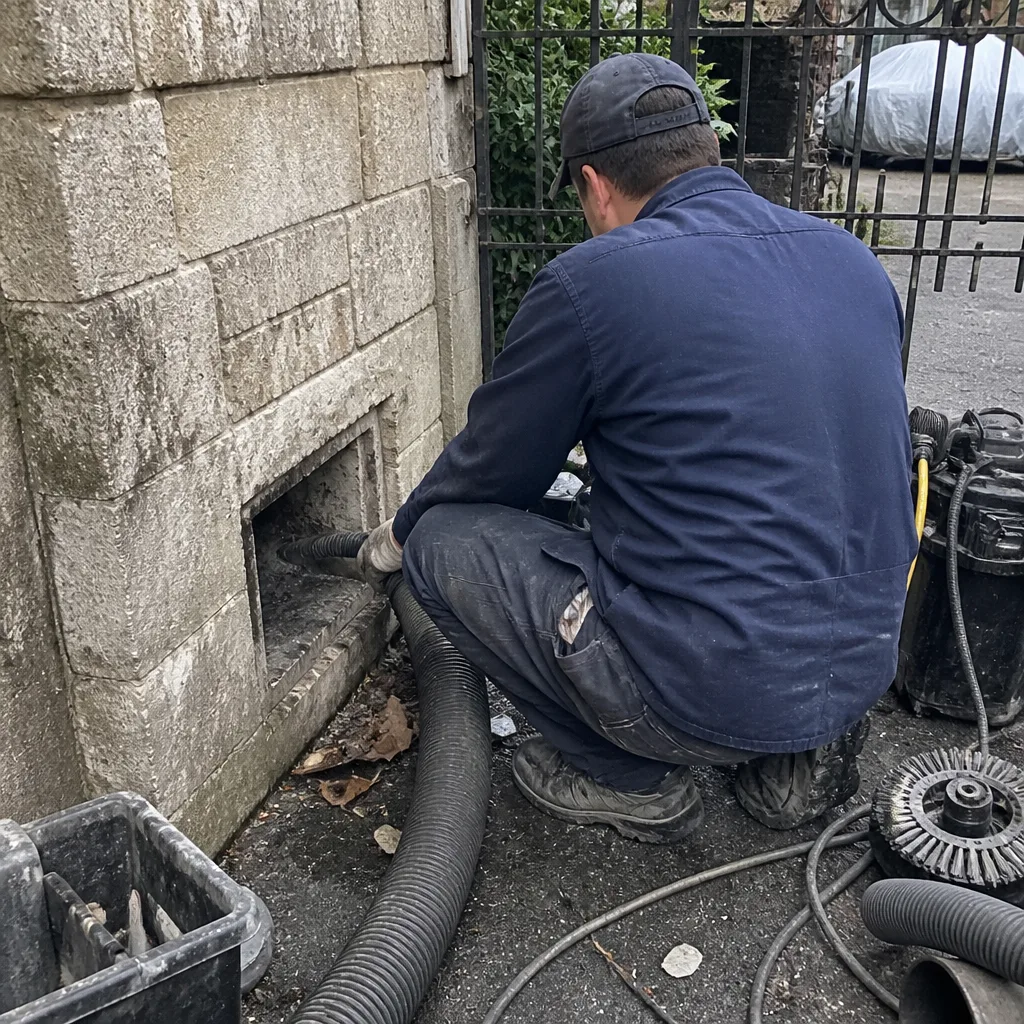 Before
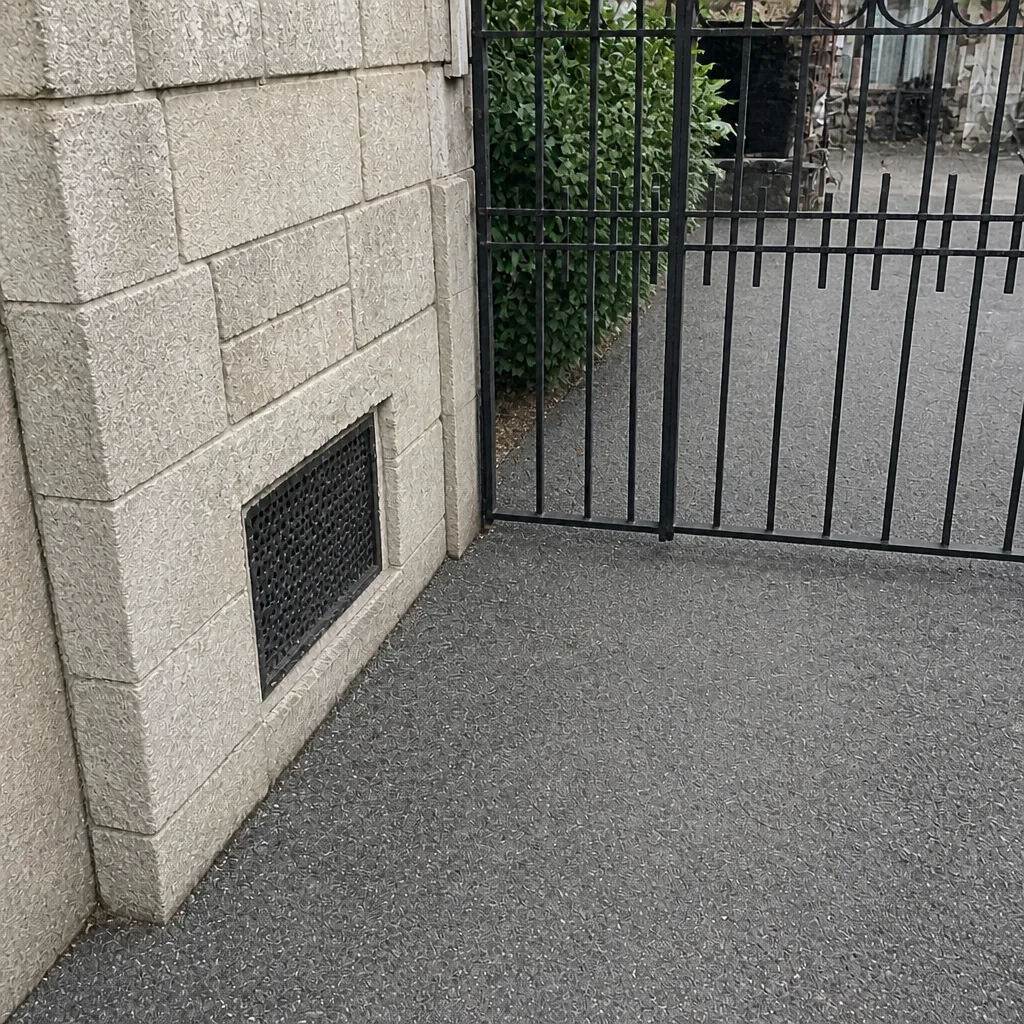 After
Frequently Asked Questions
Every 3 to 5 years is typical for a well-maintained unit, but the actual answer depends on your floor, the building, and whether there’s been construction nearby. A lower-floor unit near a busy avenue, or one next door to a renovation, may need attention every 2 to 3 years. Call (844) 443-3814 for a free estimate and we’ll tell you what your specific system actually needs based on inspection, not a calendar.
You can safely check the filter, wipe return grilles, look at the fan coil drain pan, and inspect visible flex connectors. You should not open the air handler’s electrical compartment, because live components remain charged inside. Call (844) 443-3814 for anything beyond the visible checks, and we’ll confirm from the phone whether a visit makes sense.
Yes, substantially. Construction dust travels through shared plenums and corridor air, and it settles on your return side over the following weeks. Plan a full-system inspection 30 days after demo finishes, and check filters more often during the work itself. Call (844) 443-3814 for a free estimate if a neighbor’s project is underway.
Because they’re usually quoting a different job. A vent-only cleaning with a shop vacuum, no air containment, and no brush tooling looks cheap because it doesn’t address the duct interior. A full-pathway service uses professional equipment with containment so loosened debris is extracted, not redistributed. Ask any company what machine they use and whether containment is included before you compare price. Call (844) 443-3814 to compare a free estimate on a like-for-like scope.
Before-and-after photographs of your own system, taken on-site and shared with you. Not stock images, not a generic system mockup. If a company can’t show you the before and after, the work is unverified no matter what it cost. Call (844) 443-3814 and we’ll walk through the photo set at the estimate.
The filter, the drain pan, the drain line, any visible flex connectors, and the outdoor condenser or rooftop unit. Cooling season is when a clogged drain line does the most damage, so the pre-season check is worth the time. Call (844) 443-3814 if you’d rather have a technician do the switchover inspection in one visit.
The Bottom Line
The best maintenance schedule for an Upper East Side apartment is built on observation, not on a printed filter box. Read your filter every 4 to 8 weeks based on floor level and area construction. Check your fan coil drain pan monthly in cooling season and clean it twice a year. Look at every flex connector annually. Book a full-pathway cleaning every 3 to 5 years, sooner if visible dust or odor shows up after a filter change. And don’t forget the dryer vent, which lives in the same neglected-duct problem set and is one of the leading causes of residential fires. Evidence beats the calendar, and when the evidence points at a full-system cleaning, we’re glad to take the call.
Ready to schedule? Call (844) 443-3814 for a free estimate. We answer 24/7, with fast dispatch from 7am to 7pm, Sunday through Friday. The estimate is free, the price is set per job by the written estimate, and you’ll see before-and-after photos of your own ducts when the work is done.
Written by the team at Air Duct Cleaning Upper East Side.