
Last updated November 22, 2026
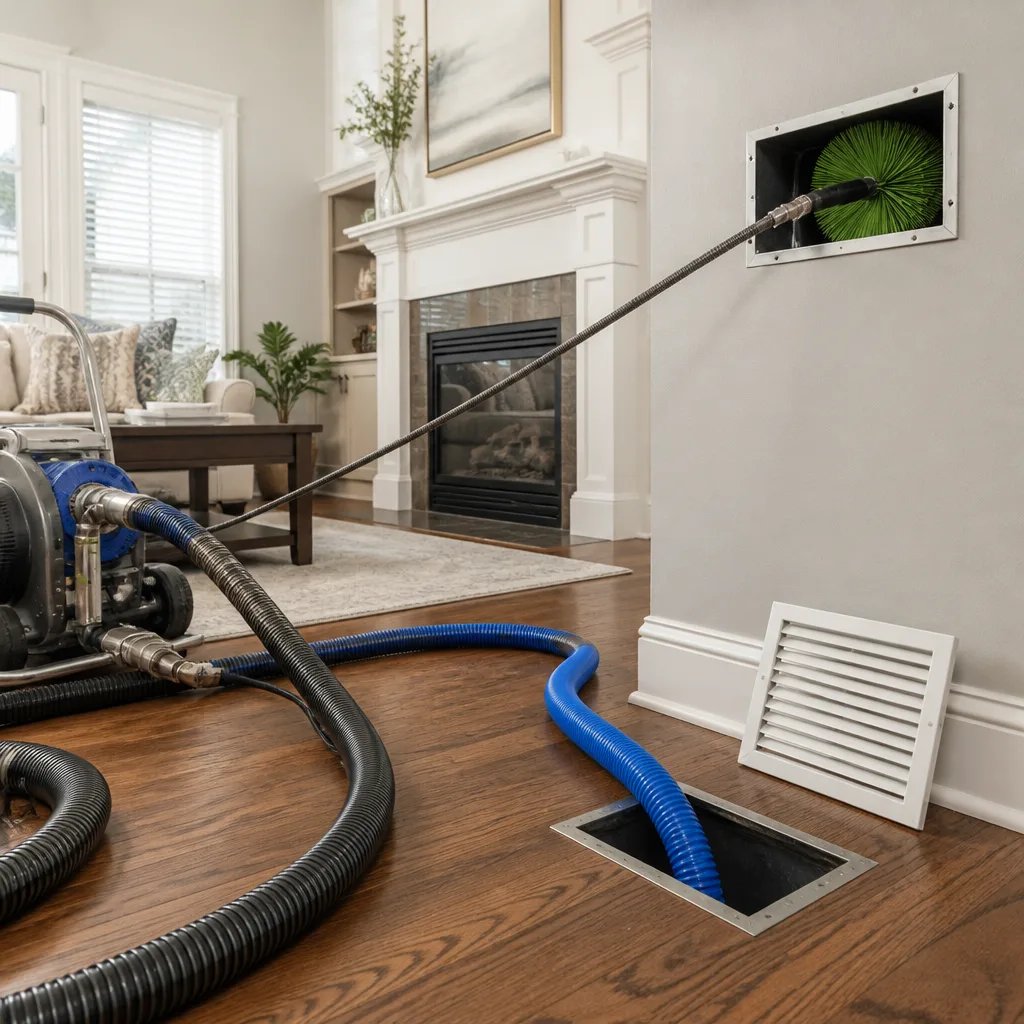 Whole-home duct cleaning
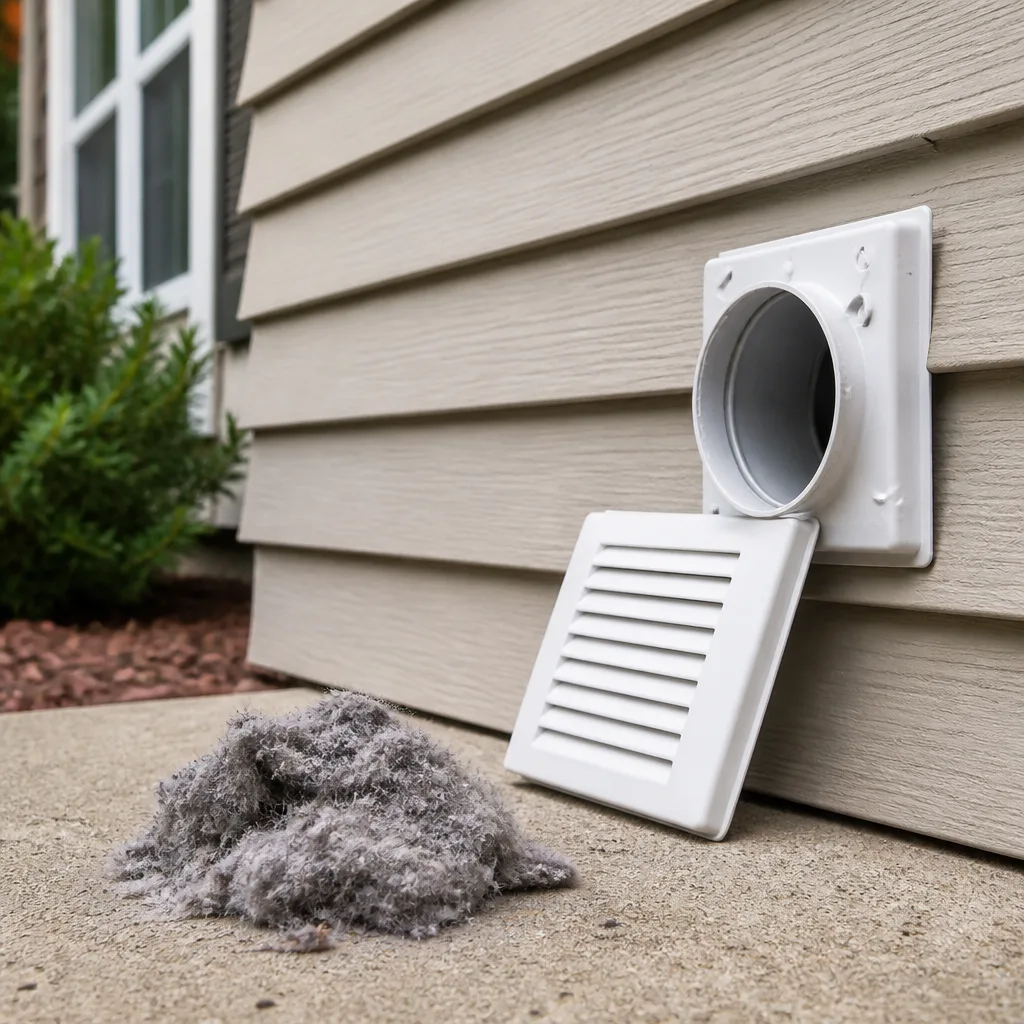 Dryer vent cleaning
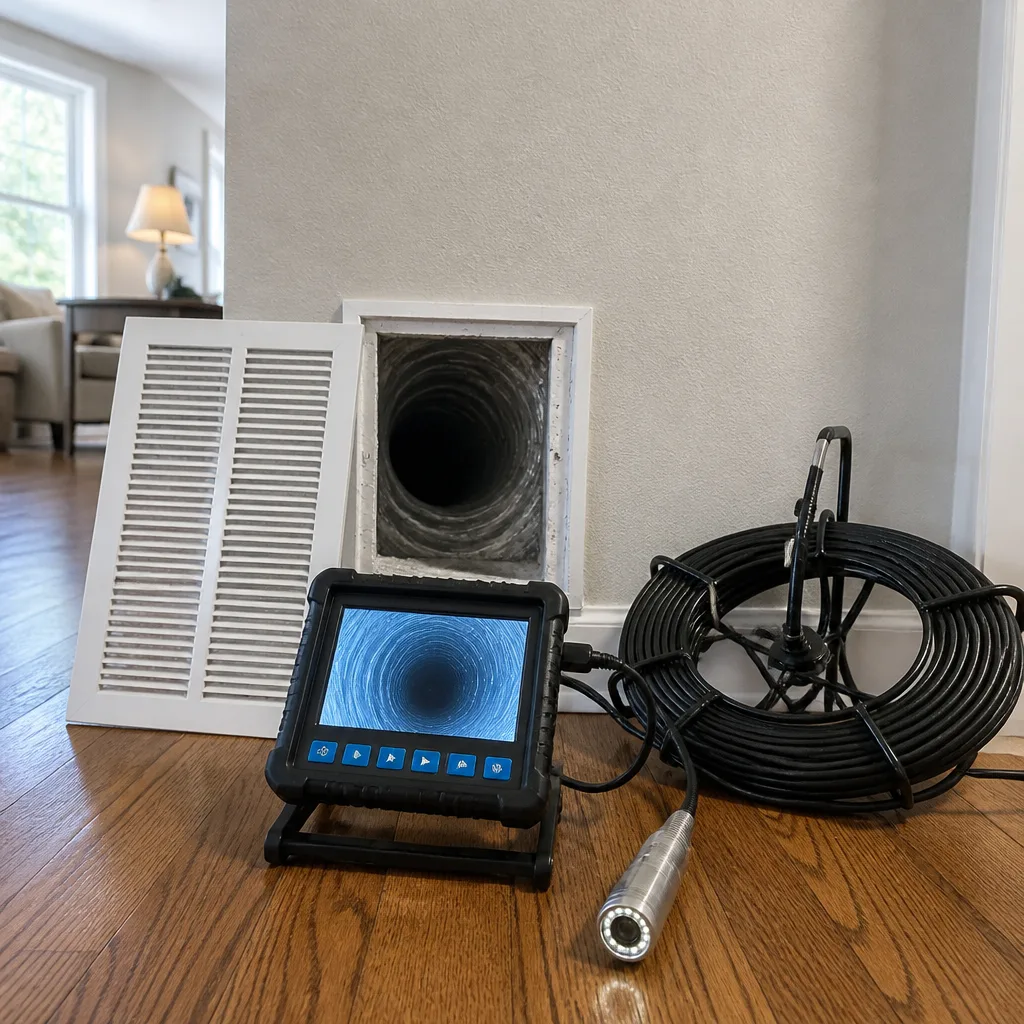 Camera inspection
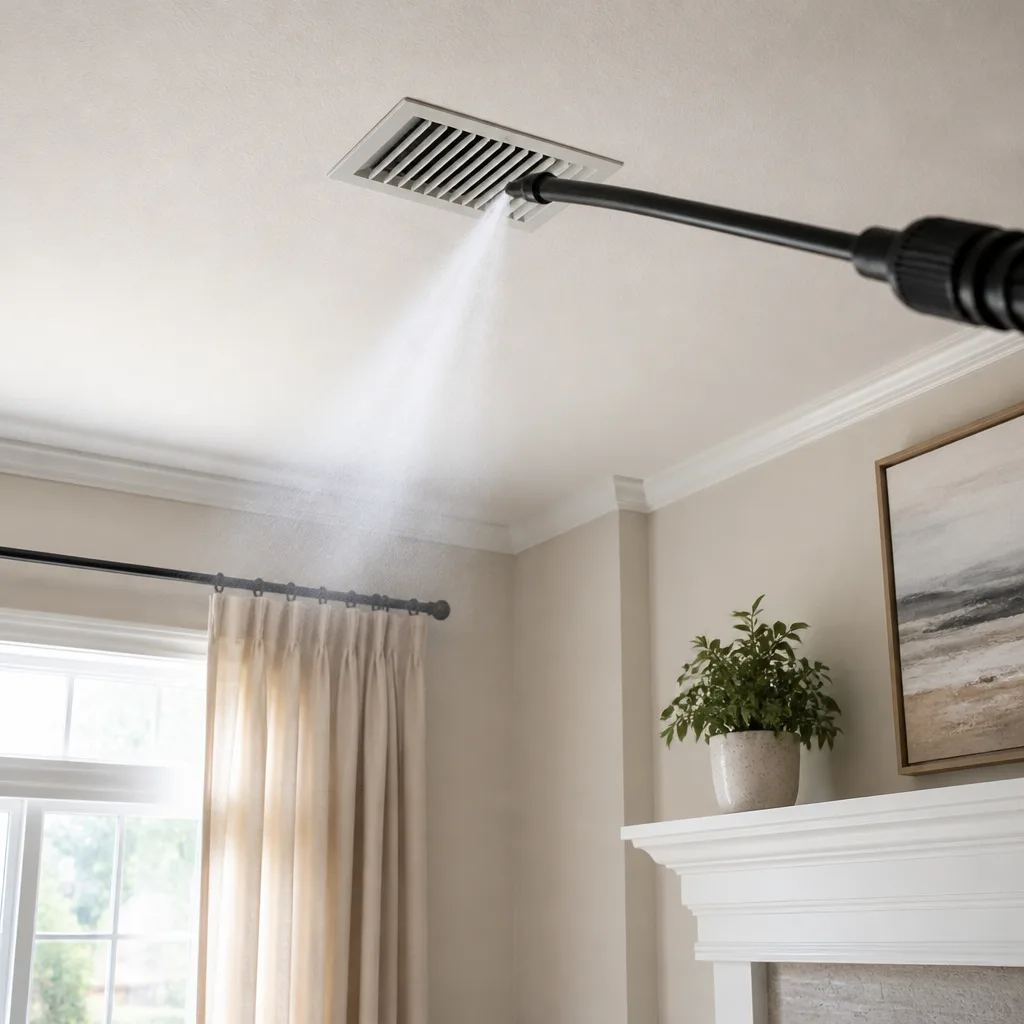 Sanitizing & deodorizing
Whole-system duct and dryer vent check with before-and-after photos - you see exactly what came out of your vents
That "$99 whole-house special" is a bait ad - the real number appears once they are in your hallway, or the "clean" is a shop-vac at the register. We photograph the inside of your ducts before and after instead.
Air Duct Cleaning Cost Breakdown: The Upper East Side Homeowner’s Reference for 2026
A $199 duct cleaning quote and a $900 quote for the same Upper East Side apartment aren’t competing for the same job. They’re describing two different scopes of work, and the cheaper version almost never includes the components where the actual contamination lives. In most Upper East Side buildings, the dirt you’re worried about sits in the fan coil unit, the coil surface, and the drain pan, not in the visible grille. This guide breaks down what each line item in a real duct cleaning estimate actually covers, which add-ons are legitimate, and why pricing runs higher here than national averages. You’ll finish knowing how to read a quote instead of just comparing totals.
Quick Answer
A full-system duct cleaning in an Upper East Side apartment typically runs $450-$1,200, depending on building type and the number of fan coil or forced-air units. The $199 quotes you see advertised almost always cover vent-and-grille cleaning only, which leaves the coil, drain pan, and trunk lines untouched. The final price is set by a written, itemized estimate after the technician sees your system.
Styles & brands we work with
- Whole-home duct cleaning
- Dryer vent cleaning
- Camera inspection
- Sanitizing & deodorizing
Table of Contents
- Why Two Quotes for the Same Upper East Side Apartment Can Differ by Hundreds of Dollars
- What a Legitimate Full-System Cleaning Actually Includes
- Component-by-Component Cost Breakdown
- Why Upper East Side Pricing Runs Higher Than National Averages
- How Building Type Affects the Price
- Legitimate Add-Ons vs. Upsells That Rarely Deliver
- What a Written Quote Should Itemize, and How to Compare Them
- The Equipment Question: Why It Changes What You Pay For
Why Two Quotes for the Same Upper East Side Apartment Can Differ by Hundreds of Dollars
Two contractors walk into the same prewar co-op on a tree-lined block off Lexington Avenue. One quotes $250. The other quotes $850. Homeowners assume one of them is overcharging. Usually, neither is. They’re quoting different jobs.
The $250 quote typically covers grille removal, a brush pass at each register, and a shop-vacuum pull at the main trunk. That’s surface service. It removes dust you can see. The $850 quote typically includes the fan coil unit, the coil fins, the condensate drain pan, the accessible flex duct runs, and containment equipment to keep loosened debris from blowing back into the apartment during the job.
Those are not the same service, and the difference matters in Upper East Side buildings specifically. Most residential buildings here use vertical fan coil units tucked into closets or soffits, not the central forced-air systems common in suburban houses. A fan coil houses a wet coil and a drain pan. That’s where biological growth and standing moisture accumulate. A grille-only cleaning doesn’t reach any of it.
Here’s the practical takeaway: before you compare two numbers, ask each contractor to define scope in writing. If one quote lists five components and the other lists one, the totals were never comparable to begin with. We’ve seen this play out in Upper East Side co-ops and condos often enough that we built our estimates around itemization first.
You can read more about our full approach on the Air Duct Cleaning Upper East Side page.
What a Legitimate Full-System Cleaning Actually Includes
A legitimate full-system cleaning addresses every component in the air pathway, not just the ones you can see from the living room. In an Upper East Side apartment, that usually means six distinct components, each with its own labor time and equipment requirement.
- Fan coil unit interior. The cabinet is opened, the blower wheel cleaned, and accumulated debris removed from the housing.
- Coil surface. The evaporator coil fins are cleaned with a coil-safe solution. This is where a lot of microbial growth lives because the coil stays damp during cooling season.
- Condensate drain pan. Standing water in a pan that hasn’t been cleaned in years is a growth site. The pan is cleaned and the drain line checked for flow.
- Flex duct runs. Accessible flex duct is cleaned using a rotary brush system fed through the run. This is where rotary tools like the Rotobrush system do work a vacuum alone can’t.
- Supply and return grilles. Removed, cleaned, and reinstalled. This is the only component the cheap quote covers.
- Accessible trunk lines. Main trunk runs are cleaned where access allows.
Notice what’s absent from that list: any claim to clean ductwork that’s sealed inside walls or ceilings with no access point. No contractor can clean what they can’t reach, and any quote that promises to clean “the entire duct system” in a building where most of it is enclosed is describing something it can’t deliver.
Containment matters as much as cleaning. Without negative-air equipment like the Abatement Technologies units we run, loosened debris recirculates into the living space while the job is happening. That’s not a cleaning. That’s a redistribution. Whether the price includes containment is one of the single biggest tells about what kind of job you’re actually buying.
Component-by-Component Cost Breakdown
These ranges reflect what Upper East Side homeowners typically see for each component of a full-system cleaning. They’re estimates, not quotes. The written estimate after an on-site assessment sets the final price per job.
| Component | Typical Estimated Range | What It Covers |
|---|---|---|
| Grille and register cleaning only | $150-$300 | Removal, cleaning, and reinstalling supply and return grilles |
| Fan coil unit cleaning | $200-$400 per unit | Cabinet interior, blower wheel, housing debris removal |
| Coil surface and drain pan | $125-$275 | Coil fin cleaning, pan cleaning, drain line check |
| Accessible flex duct cleaning | $150-$350 | Rotary brush cleaning of reachable flex runs |
| Accessible trunk line cleaning | $100-$250 | Main trunk runs where access points exist |
| Full-system package (typical apartment) | $450-$1,200 | All of the above, with containment |
Why the wide spread on the package price? A studio with one fan coil is a different job than a three-bedroom with two fan coils and a long flex run to a rear bedroom. A post-war condo with a straight duct run takes less labor time than a prewar layout with tight closet access and wrapped ductwork. That’s the range, and the estimate narrows it.
For a deeper look at what cleaning each of these components involves, see our air duct cleaning service page. And if your building has a shared rooftop unit or a central HVAC system serving multiple apartments, HVAC cleaning covers the larger equipment scope that a fan coil cleaning doesn’t.
Why Upper East Side Pricing Runs Higher Than National Averages
If you’ve looked at national duct cleaning cost figures online, the numbers probably looked lower than what you’re being quoted in Manhattan. That’s not a local markup. Five structural factors make duct cleaning in Upper East Side buildings genuinely more expensive to perform.
- Building access requirements. Co-ops and condos here often require advance notice to the managing agent, a certificate of insurance on file, and scheduling through building staff. Certificate processing and building coordination add real administrative time to every job.
- Equipment transport logistics. Truck-mounted equipment doesn’t help on the sixth floor of a walk-up or in a building with a freight elevator reserved for moves. Rotary systems and portable HEPA units get carried in by hand, in pieces, and carried out again.
- Liability insurance for high-rise work. Carrying the coverage a Manhattan co-op board requires costs more than coverage for a single-family suburban job. That cost is baked into every legitimate quote.
- Disposal costs. Debris removed from a Manhattan building has to be bagged, contained, and disposed of through commercial channels. There’s no curb.
- Labor time per unit. Fan coil units sit in closets and soffits with limited working clearance. A job that takes 90 minutes in a suburban basement can take three hours in an Upper East Side apartment.
None of these are invented obstacles. They’re the operational reality of working inside dense residential buildings, and they’re why a fair price here looks different from a fair price in a suburb with a driveway and a garage. A quote that ignores all five factors is usually a quote that plans to skip most of the work.
One more Upper East Side specific: many prewar buildings have wrapped or enclosed duct runs with few access points. The technician may need to cut and later reseal access openings. If that’s necessary, it should be discussed in the estimate, not discovered mid-job. Duct integrity after the work matters, which is why we treat repair and sealing as part of the scope rather than an afterthought.
How Building Type Affects the Price
The single biggest driver of cost variation in Upper East Side apartments isn’t square footage. It’s what kind of air system the building uses. Three common configurations each require different labor time and different equipment.
Fan Coil Units
Standard in most postwar and many prewar Upper East Side buildings. Each apartment or zone has one or more vertical or horizontal fan coil units in a closet or above a soffit. Cleaning involves opening the cabinet, cleaning the blower and coil, and cleaning the drain pan. A one-bedroom with a single fan coil is simpler than a three-bedroom with two, and the price reflects the unit count more than the floor plan.
Forced-Air Systems
Less common in apartment buildings but found in some townhouses and larger prewar layouts. Forced-air systems have longer duct runs and typically more supply and return points. More duct length means more rotary cleaning time, so expect the higher end of the range when the system is forced air.
Through-Wall PTAC Units
Common in some Upper East Side buildings with through-wall units. A PTAC has a shorter air pathway than a fan coil with ductwork, but the unit itself needs thorough cleaning and the chassis often has to be pulled for proper access. Per-unit pricing applies, and multiple units in one apartment add up quickly.
Here’s a useful rule of thumb when you’re budgeting: count your air units first, then estimate. If you know you have two fan coils, you already know the job is priced per unit and the range shifts upward from the single-unit figure. The written estimate will confirm it. When you’re ready, our dryer vent cleaning service is a separate scope, and it’s worth pricing at the same time if you’ve never had it done, since the dryer vent is a fire-safety item that gets overlooked in buildings where the vent run is long.
Legitimate Add-Ons vs. Upsells That Rarely Deliver
Not every add-on is a scam, and not every add-on is worth the money. The difference usually comes down to whether the add-on addresses a real condition in your system or whether it’s sold on fear. Here’s an honest breakdown of the three most common ones.
Mold Treatment: Sometimes Legitimate
Surface sanitizing treatment inside ductwork has a real place after a cleaning, particularly where the coil and drain pan have been wet for extended periods. A product like the Guardsman sanitizing treatment we apply post-clean provides documented antimicrobial surface protection. That’s a reasonable step when there’s evidence of growth. It’s not reasonable to sell “mold treatment” to every customer on the assumption that mold exists. If a contractor claims you have mold without showing you anything, ask to see it. We use before-and-after photos for exactly this reason.
UV Installation: Conditional Value
UV systems can help control growth on a coil that stays damp, but they aren’t a substitute for cleaning, and installing a UV light in a dirty system just means you have a dirty system with a light in it. If a contractor leads with UV installation before discussing cleaning, the order is backwards. If you’re considering air-quality upgrades, products from Honeywell and Aprilaire are the ones to look at, and the right time to discuss them is after the cleaning, when the system is actually clean.
Duct Coating: Rarely Warranted in Residential
Duct coating is sold as a sealant and encapsulant, and in some commercial applications it has a role. In a residential Upper East Side apartment, it’s rarely the right call. Most apartment duct runs are short, and coating interior surfaces on flex duct isn’t standard practice. If a contractor pushes coating as a health measure, ask what condition it’s addressing and whether cleaning and sealing would solve the same problem. Usually it would, and at a lower cost.
The pattern across all three: legitimate add-ons address a specific, observable condition. Upsells are sold before anyone has looked at your system.
What a Written Quote Should Itemize, and How to Compare Them
A written quote that gives you one number is useless for comparison. You can’t tell whether the $400 quote and the $900 quote cover the same work, so you’re left comparing totals and guessing. The fix is to demand itemization, and to use that itemization to compare scopes rather than prices.
Here’s what a quote should itemize:
- Each component being cleaned, listed separately (fan coil, coil, drain pan, flex duct, trunk lines, grilles).
- Unit count for any system with more than one fan coil or PTAC.
- Whether containment equipment is included and what type.
- Whether access openings will be needed and who reseals them.
- Whether the price includes disposal and building coordination.
- Any add-on services broken out separately, not bundled into the base price.
Once you have two itemized quotes in hand, compare them component by component. If one quote includes the coil and drain pan and the other doesn’t, the totals were never comparable. The question isn’t “which costs less” but “which is doing the work my system needs.”
Two more things to check. First, ask for before-and-after photos of your own system, not stock images. Second, ask whether the quote is a flat price for the agreed scope, or whether it’s subject to change once the technician is on site. A flat price per system agreed before work starts is the standard to hold contractors to, and it’s the standard we hold ourselves to. The estimate is free, and the written estimate sets the final price.
If you haven’t had a cleaning in several years, our guide to how often duct cleaning is needed in Upper East Side apartments is a useful next read before you start calling contractors.
The Equipment Question: Why It Changes What You Pay For
The equipment a contractor brings to your Upper East Side apartment tells you what kind of job you’re buying. It’s also one of the reasons prices differ between quotes that claim to cover the same scope.
A rotary brush system like the Rotobrush or Nikro equipment we run does something a vacuum alone can’t: it physically agitates the duct surface while pulling debris away. That matters in a system with years of accumulated film on the duct interior. A shop vacuum with a hose reaches the dust. A rotary system removes the layer underneath it.
Containment is the other half. Negative-air equipment like the Abatement Technologies units we bring on-site pulls contaminated air out of the work area and filters it rather than letting it circulate back into the apartment while the job is happening. In a Manhattan apartment where the system serves the same rooms you’re standing in, containment isn’t optional if you want the cleaning to be a net improvement.
The equipment also determines what a contractor can quote honestly. A contractor without rotary tools quotes lower because they can’t do the duct work. A contractor without containment quotes lower because they aren’t containing the debris. When you compare two quotes, ask what equipment each one brings. The answer usually explains the price difference.
Common Mistakes to Avoid
- Comparing totals instead of scopes. A $200 quote and an $800 quote aren’t competing for the same job unless they itemize the same components. Ask for itemization, then compare line by line.
- Accepting a grille-only cleaning as “duct cleaning.” In most Upper East Side apartments, the contamination lives in the fan coil and drain pan, not the grilles. A cleaning that skips those components has skipped the part that matters.
- Skipping containment to save money. If your contractor doesn’t contain the debris during the job, it ends up somewhere in your apartment. That’s not a saving.
- Scheduling without checking building requirements. Upper East Side co-ops and condos often require a certificate of insurance on file and advance notice to building staff. Confirm the requirements before booking, or the job gets rescheduled.
- Buying UV or duct coating before cleaning. Air-quality upgrades installed on a dirty system are wasted money. Clean first, then decide whether an upgrade makes sense.
- Forgetting the dryer vent. It’s a separate service with its own safety value, and in buildings with long vent runs it’s often the most overlooked item. It’s not part of a duct cleaning unless it’s quoted explicitly.
- Not asking for before-and-after photos. If a contractor can’t show you photos of your own system after the work, you have no way to verify what was actually cleaned.
See the difference
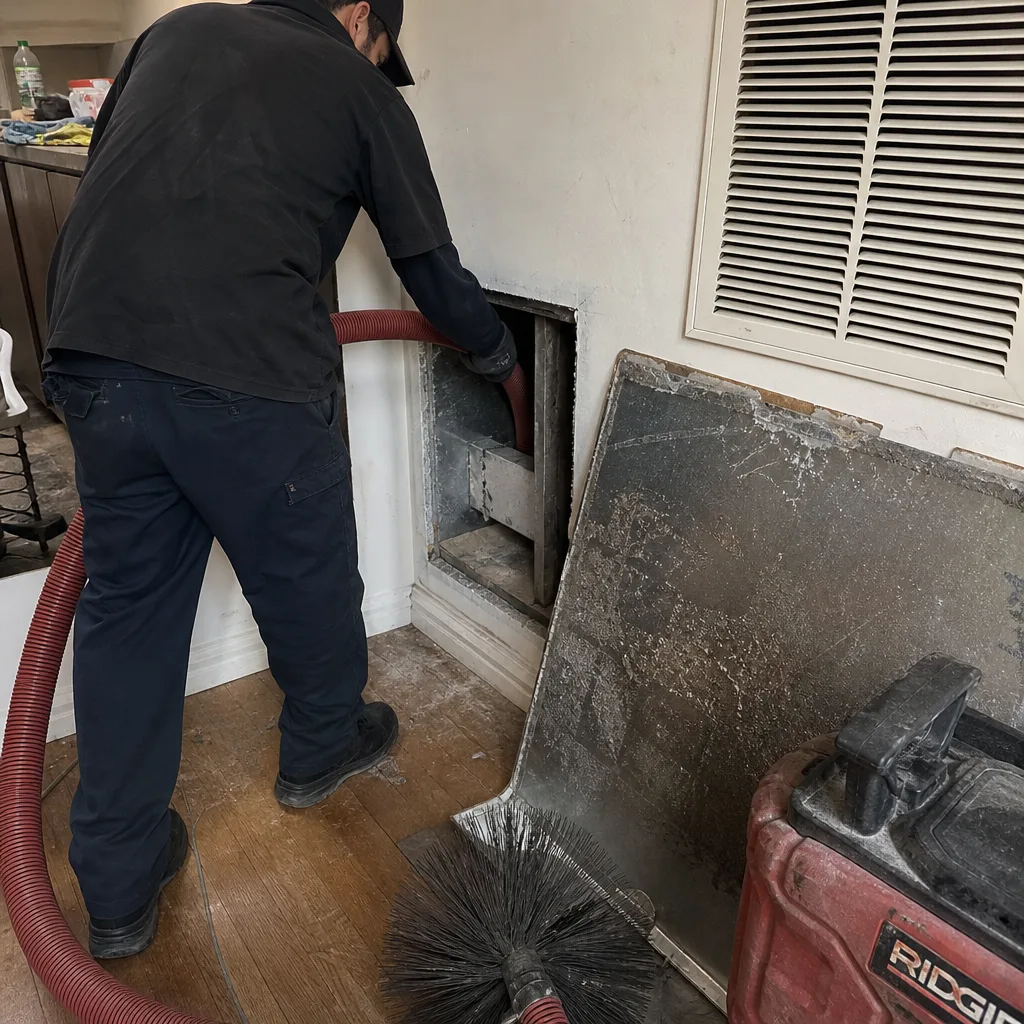 Before
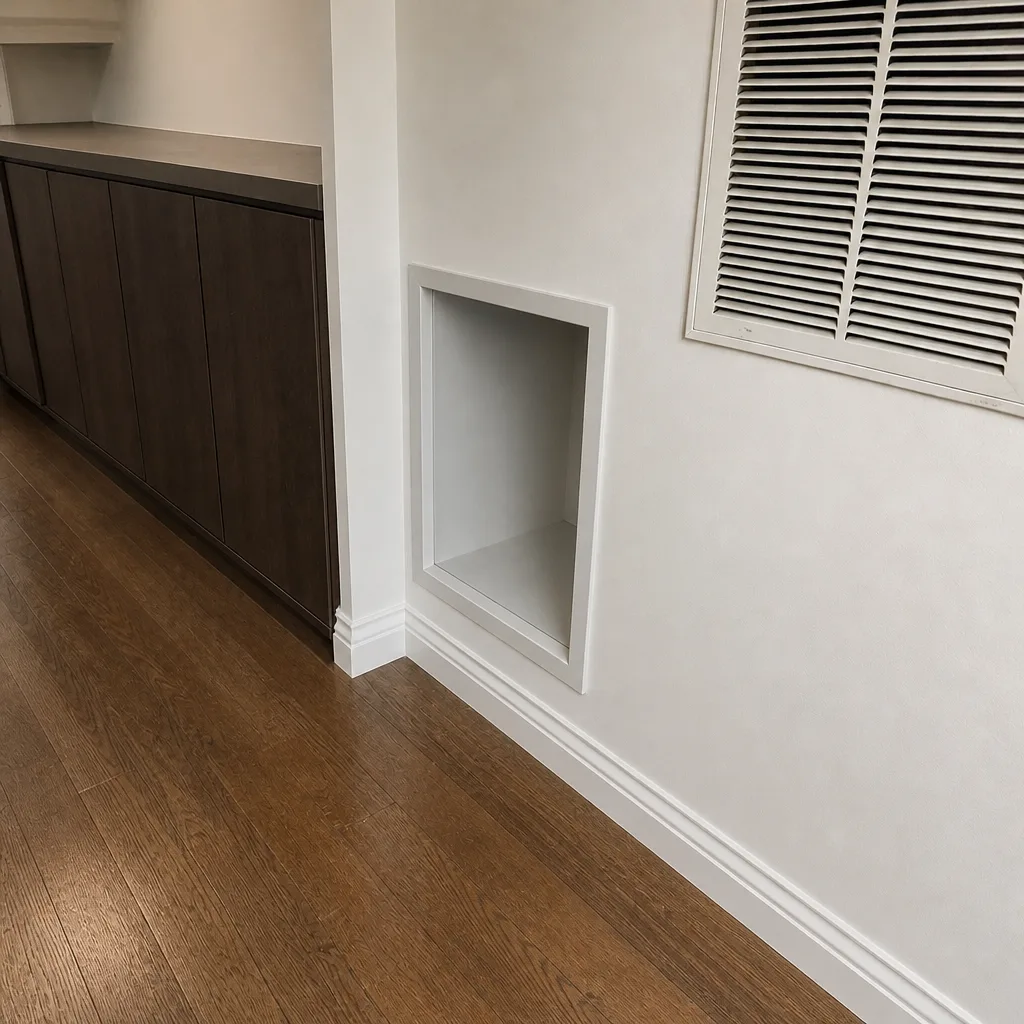 After
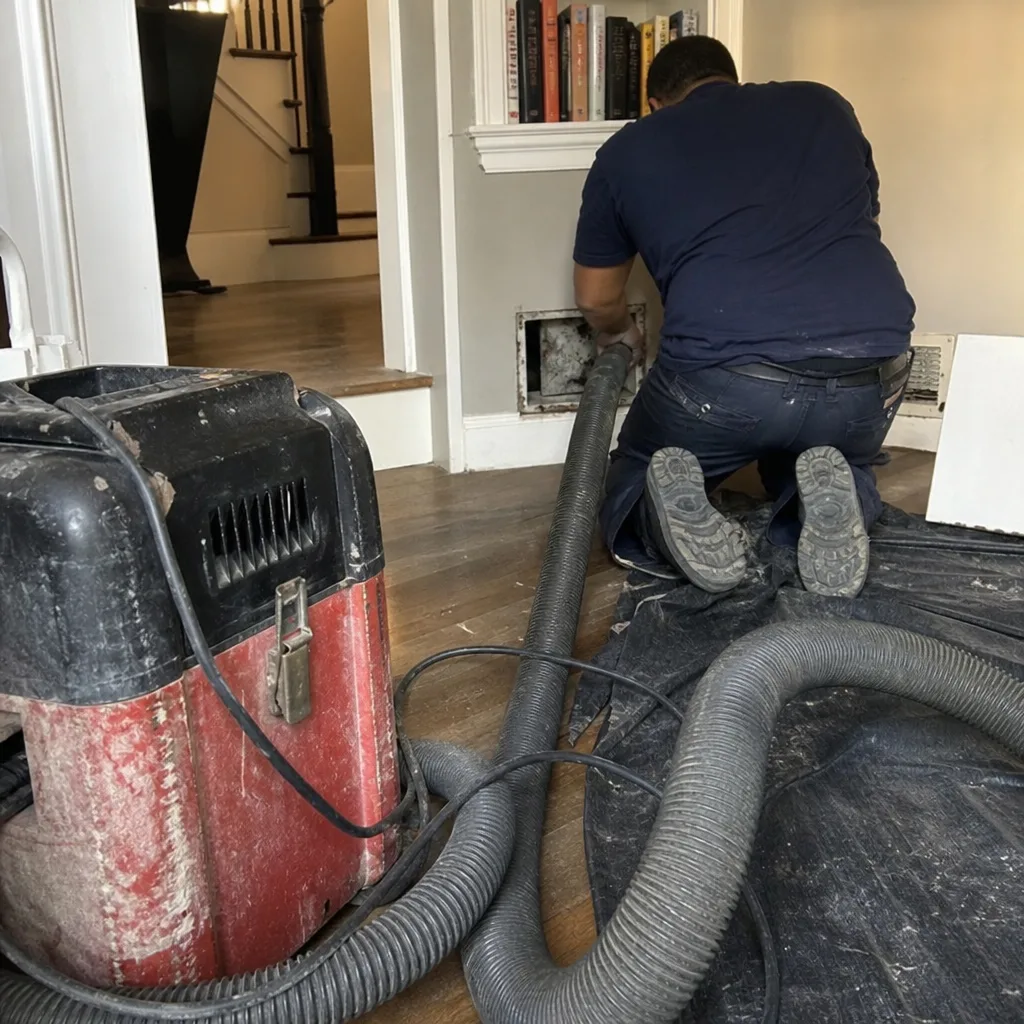 Before
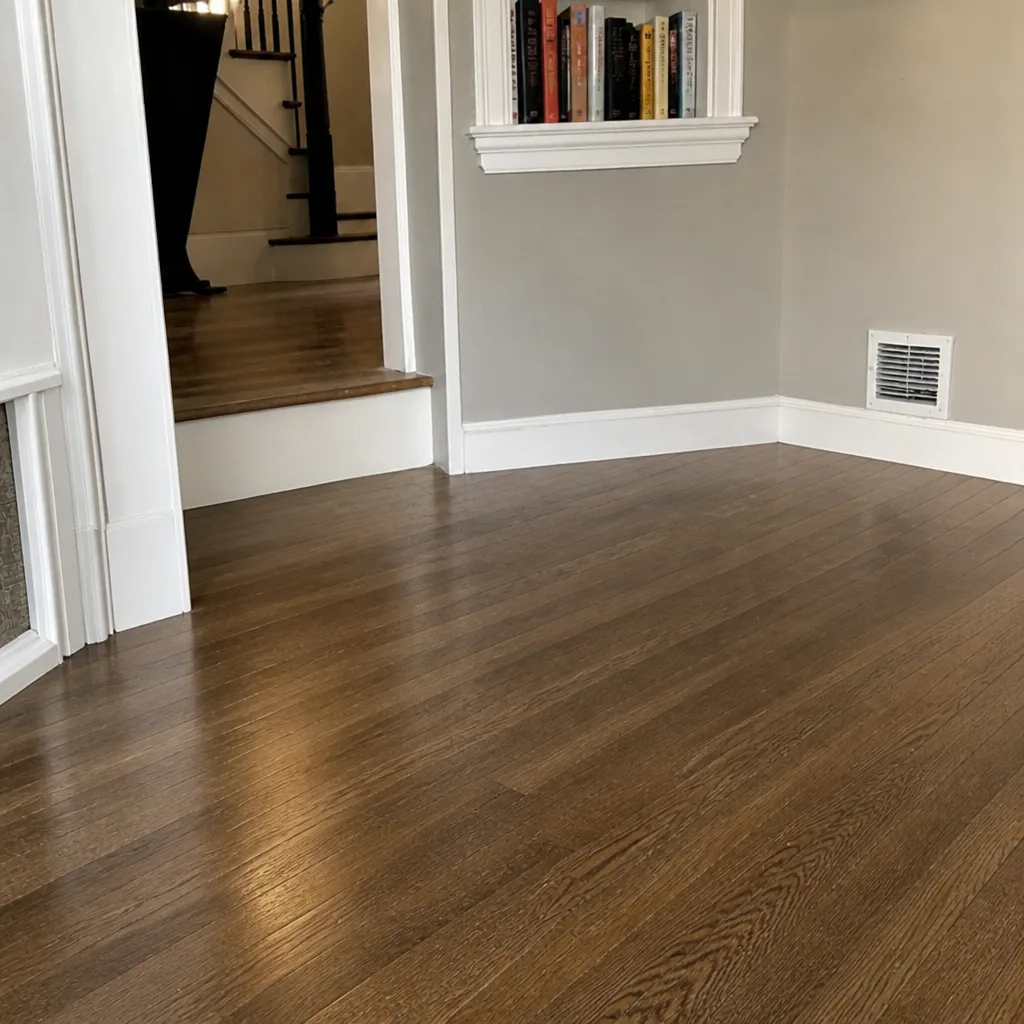 After
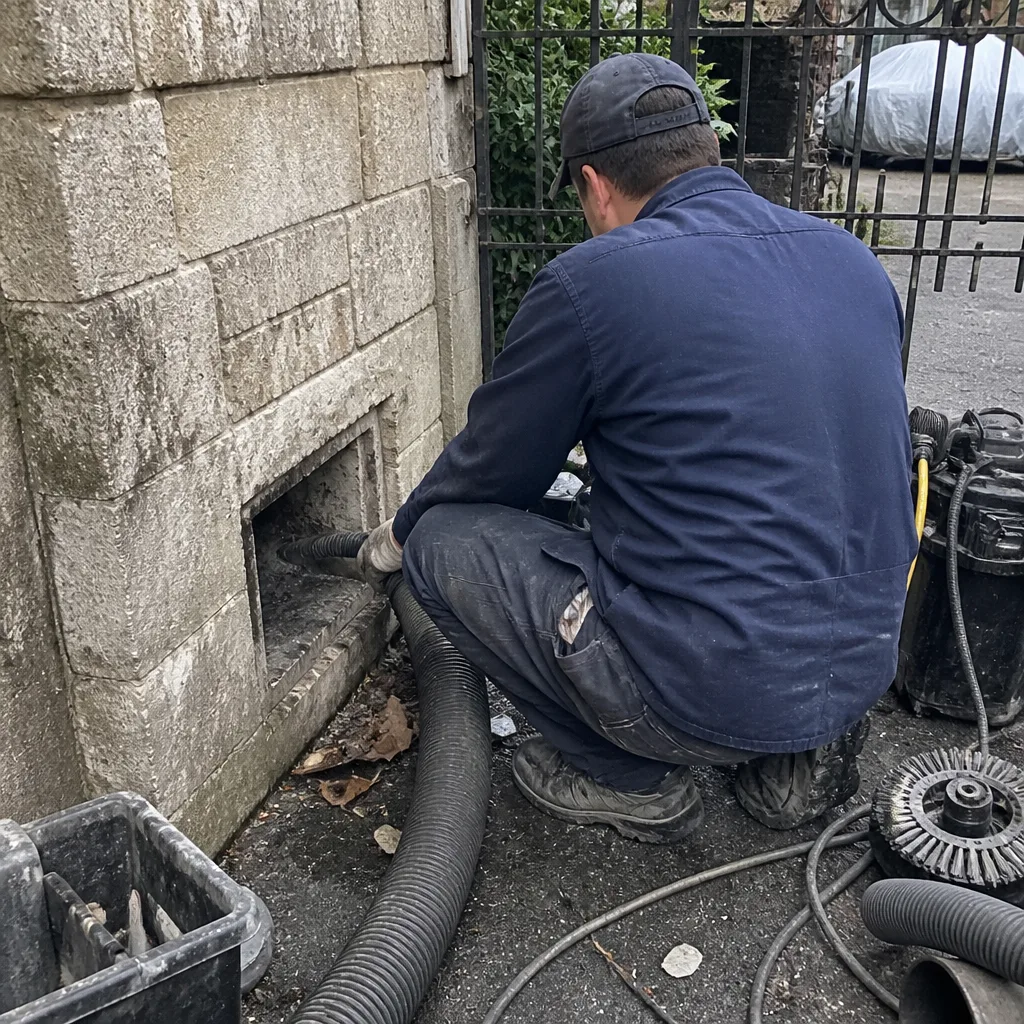 Before
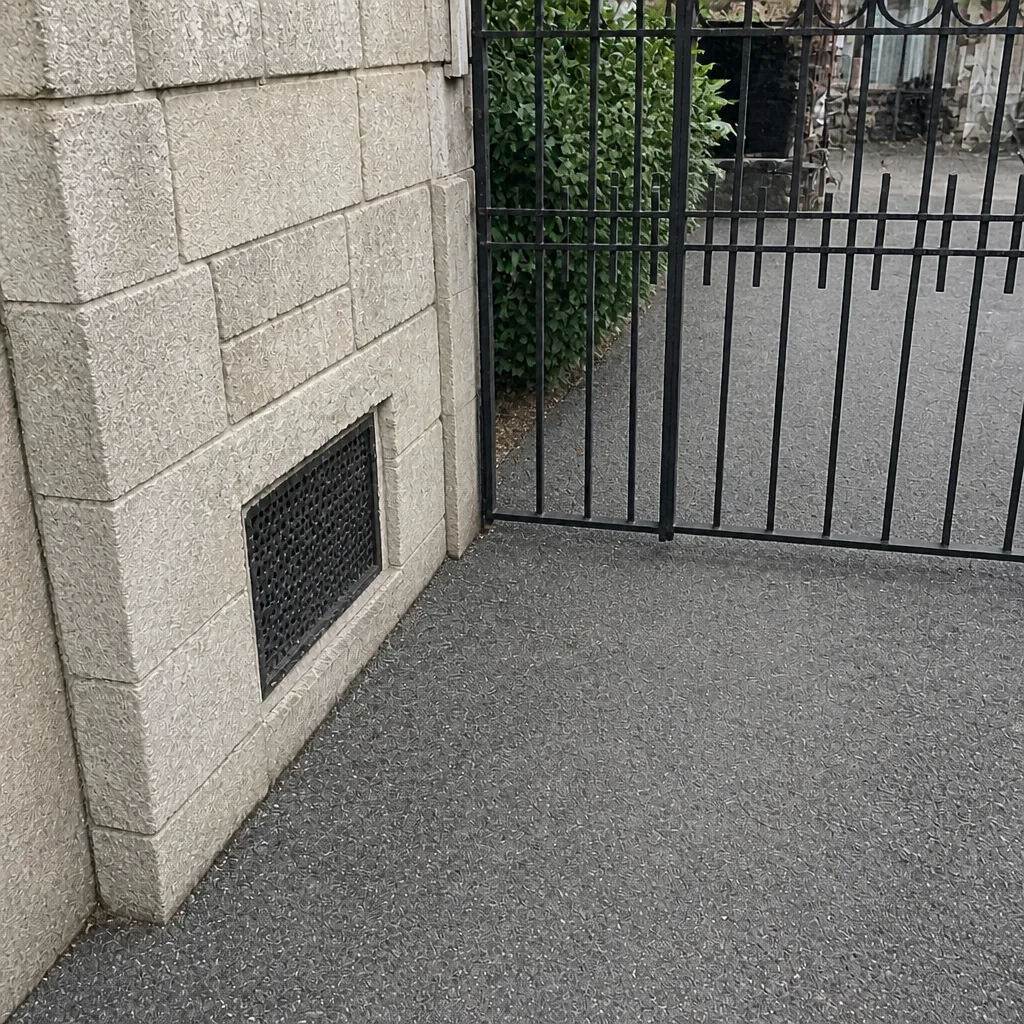 After
When to Call a Professional
Some duct work is a judgment call. Some isn’t. Call a professional if you notice visible dust blowing from supply registers when the system starts up, a musty or damp smell that returns after cleaning the room, visible growth or standing water in the fan coil drain pan, or a coil that stays wet. Call if you’ve never had the system cleaned and you don’t know its service history. Call if you’re dealing with allergy symptoms that seem worse indoors than out. And call if you’re directing a building or managing a property where individual units need servicing on a coordinated schedule. These are all conditions where a trained technician can assess the system and quote the actual scope.
Air Duct Cleaning Upper East Side offers free estimates in Upper East Side, and we connect you with local professionals who hold the coverage and equipment that building management expects. The estimate is free, and you’ll get a written, itemized scope before any work starts. Our technicians have up to 14 years of experience in systems like yours. Call (844) 443-3814. We answer 24/7. Fast dispatch from 7am to 7pm, Sunday through Friday.
Frequently Asked Questions
A full-system cleaning for a typical Upper East Side apartment runs $450-$1,200, depending on building type and the number of fan coil or PTAC units. Grille-only service runs $150-$300 but leaves the coil and drain pan untouched, which is where most contamination sits. Those ranges are estimates, and the written estimate after an on-site assessment sets the final price. Call (844) 443-3814 for an exact quote. The estimate is free.
Cheap quotes usually describe a different, smaller job. A $199 quote almost always covers grille and register cleaning only, skipping the fan coil, coil surface, drain pan, and duct runs. It may also skip containment equipment, which means loosened debris recirculates into your apartment during the work. Before you compare totals, compare the itemized scope. Call (844) 443-3814 and we’ll walk you through what a full-system quote should include.
Ask for before-and-after photos of your own system, not stock images. Photos of the coil, the drain pan, and the duct interior before and after cleaning give you a record of what changed. We take before-and-after photos of the system on every job for exactly this reason. Call (844) 443-3814 to schedule a free estimate.
Most systems in Upper East Side apartments benefit from cleaning every three to five years, though fan coil systems in buildings that run cooling year-round may need it more often. The coil and drain pan are the components that drive the timeline, since they stay damp during cooling season. If you notice a musty smell returning or visible buildup in the fan coil, it’s time regardless of the calendar. Call (844) 443-3814 for an assessment.
Yes, and it’s the biggest driver of cost variation in this market. Fan coil systems are priced per unit, so a three-bedroom with two fan coils costs more than a studio with one. Forced-air systems have longer duct runs and more cleaning points. PTAC units require pulling the chassis for proper access. The written estimate reflects which system you have, and it’s priced per job, not per vent. Call (844) 443-3814 for a free estimate.
The estimate is free, with no trip charge, and the written estimate sets the final price before any work begins. We price per job by written estimate, so you know the scope and the number before anything starts. Call (844) 443-3814. We answer 24/7. Fast dispatch from 7am to 7pm, Sunday through Friday.
The Bottom Line
Air duct cleaning prices in Upper East Side vary so widely because contractors are often describing different work. A grille-only cleaning, a fan coil cleaning, and a full-system cleaning with containment are three different services with three different price ranges. The realistic full-system range for a typical apartment here is $450-$1,200, and the components that matter most, the coil and drain pan, are exactly the ones the cheap quotes skip. Read itemized scopes, not totals. Ask what equipment and containment each contractor brings. Ask for before-and-after photos. And remember that NYC pricing runs higher for real reasons: building access, equipment transport, high-rise insurance, disposal, and labor time in tight fan coil closets. Get a free estimate and an itemized scope in writing before you book anything.
Call (844) 443-3814. We answer 24/7. Fast dispatch from 7am to 7pm, Sunday through Friday.
Written by the team at Air Duct Cleaning Upper East Side.