
Last updated November 22, 2026
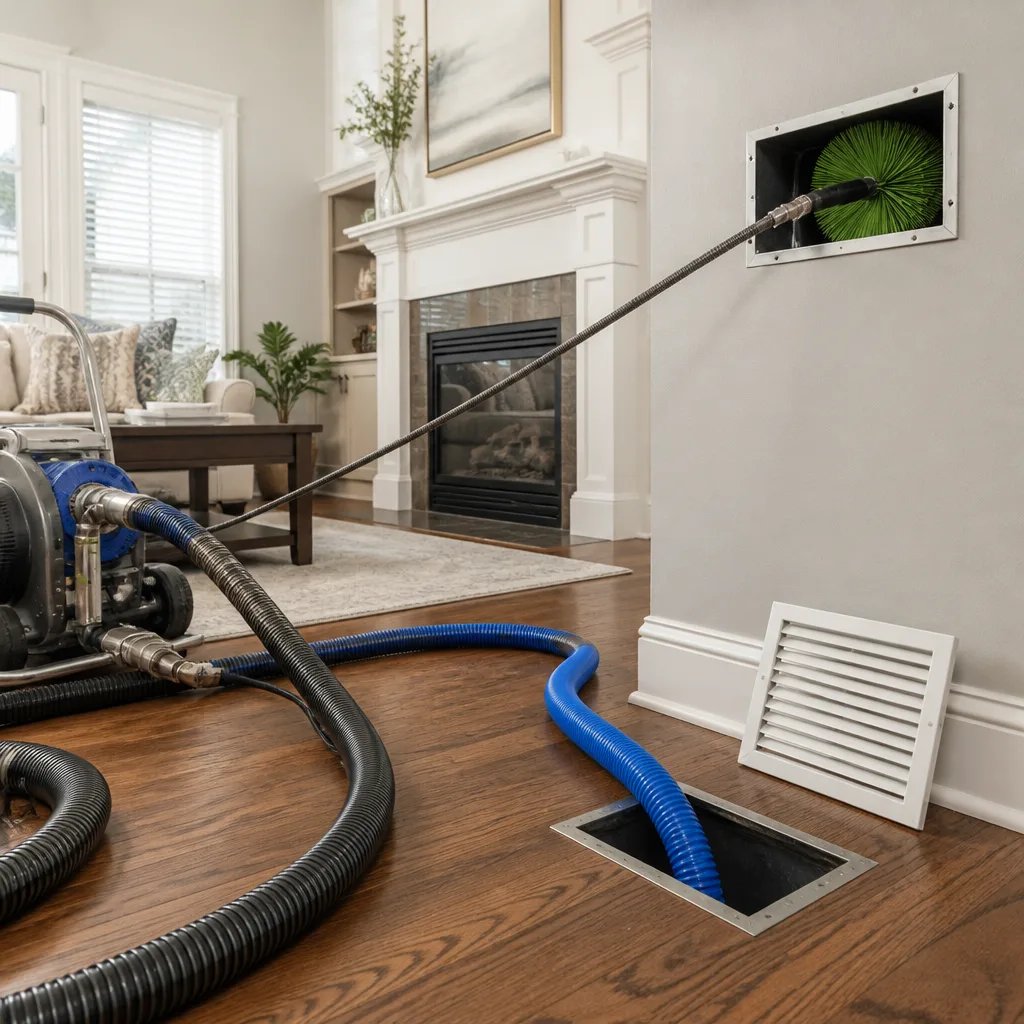 Whole-home duct cleaning
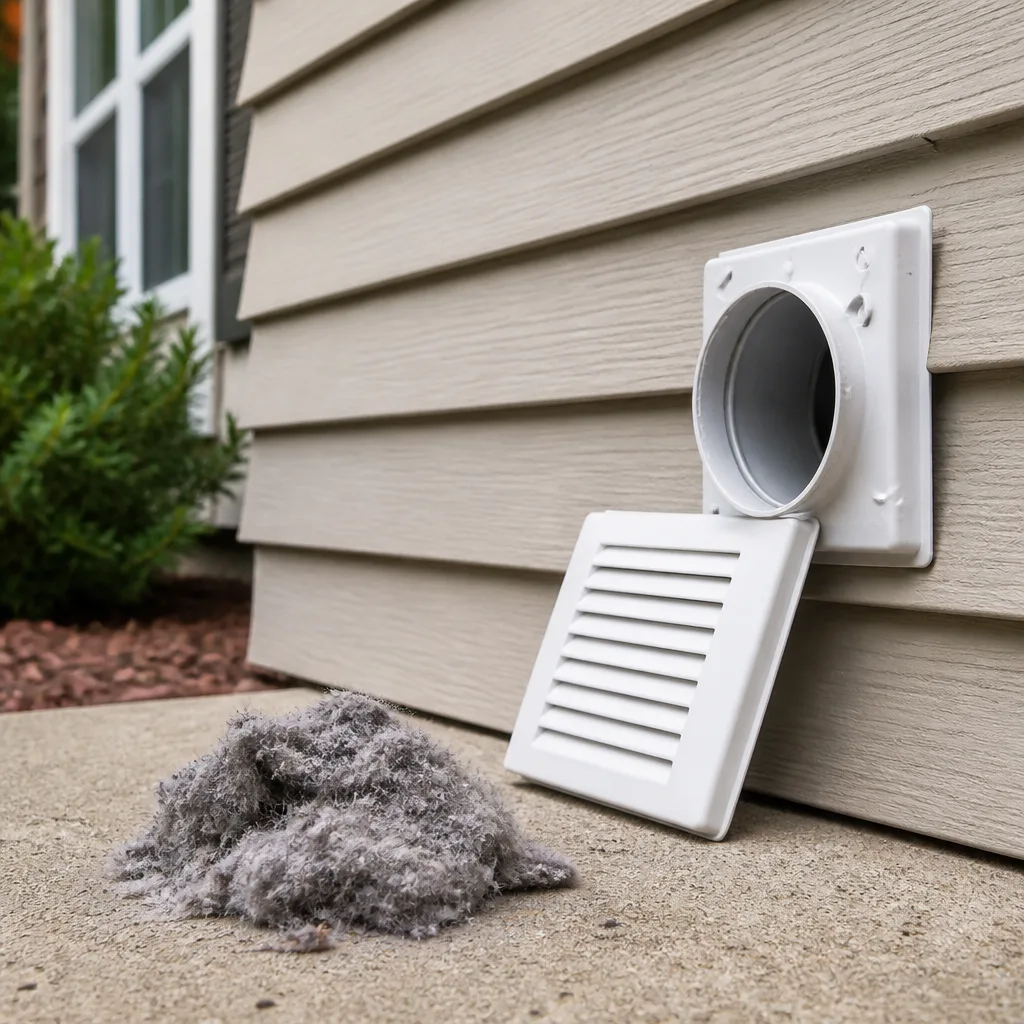 Dryer vent cleaning
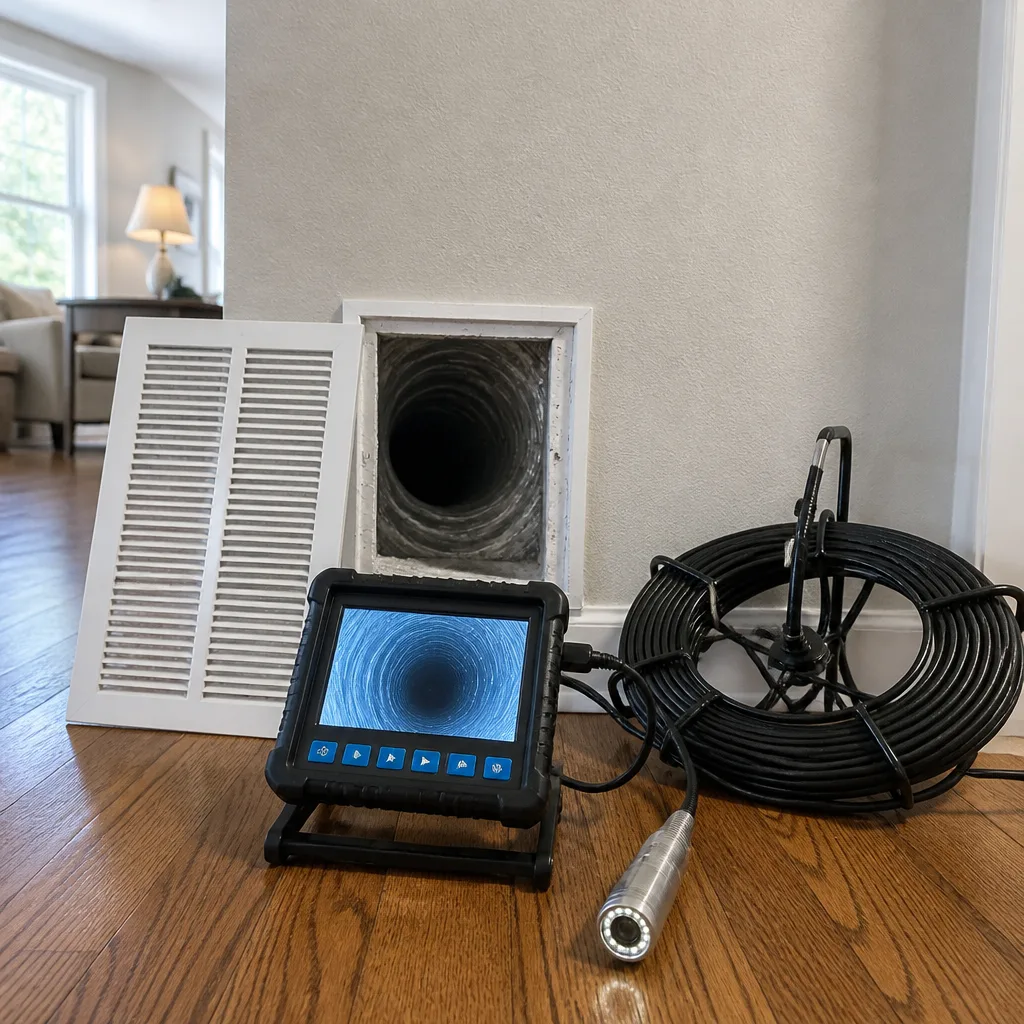 Camera inspection
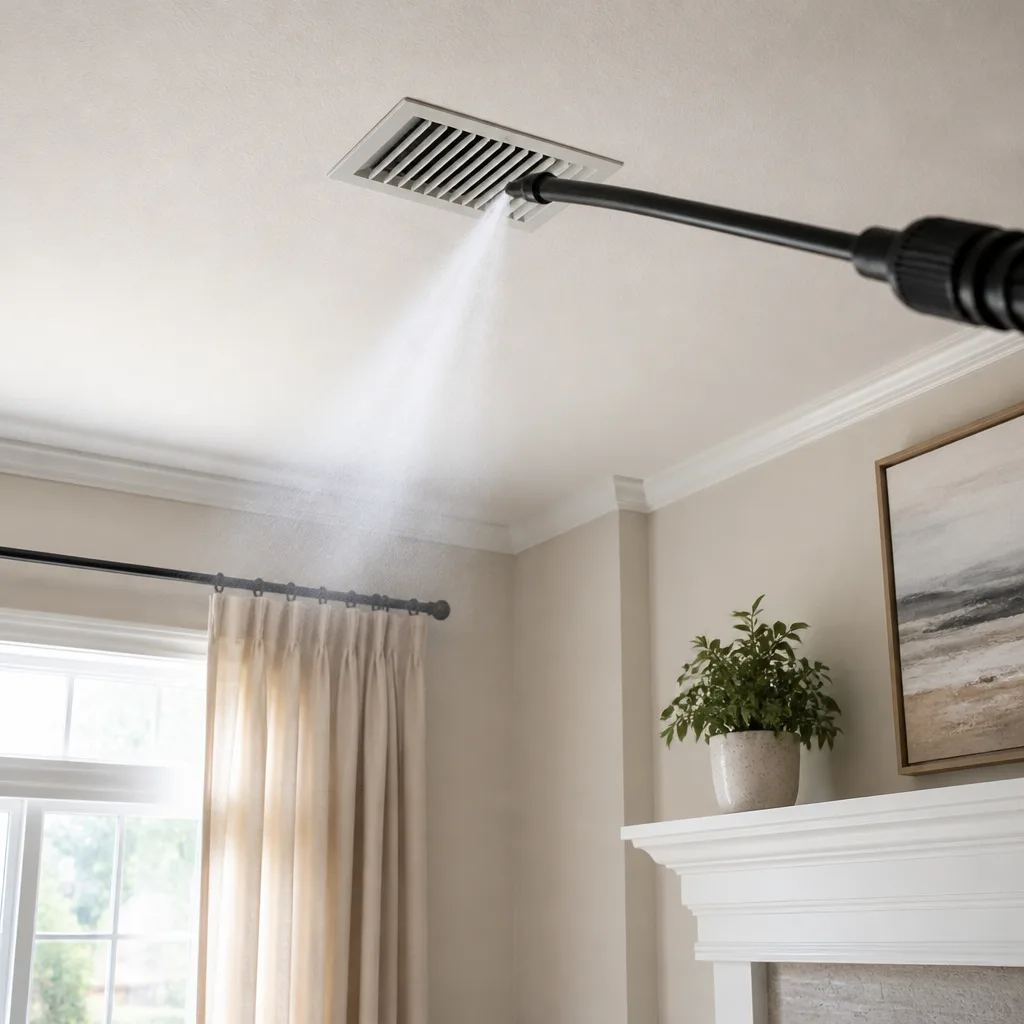 Sanitizing & deodorizing
Whole-system duct and dryer vent check with before-and-after photos - you see exactly what came out of your vents
That "$99 whole-house special" is a bait ad - the real number appears once they are in your hallway, or the "clean" is a shop-vac at the register. We photograph the inside of your ducts before and after instead.
Seasonal Air Duct Cleaning Care for Upper East Side: Year-Round Homeowner’s Guide
The dirtiest moment in many Upper East Side apartment HVAC systems isn’t the coldest week of January or the hottest stretch of July. It’s the quiet two-week window when the system sits idle between seasons, when condensation lingers on coil surfaces, dust settles undisturbed, and stagnant air inside ductwork creates the conditions mold needs to take hold. That shift between heating and cooling, and back again, is when most of the problems we diagnose actually begin. This guide walks through what happens inside your system at each transition, what to check before the switch, and how to time maintenance to your building’s schedule rather than the calendar. You’ll finish knowing exactly when to act and what to watch for.
Quick Answer
Seasonal air duct cleaning care means inspecting and cleaning your system at the two transition windows each year, when heating gives way to cooling and cooling gives way to heating, plus monitoring during active use. In Upper East Side apartment buildings, the highest-risk moment is the idle period between seasons, when condensation and stagnant air let mold establish before the system runs again. Time your filter changes, drain pan checks, and cleaning to the actual switchover, not to a fixed quarterly reminder.
Styles & brands we work with
- Whole-home duct cleaning
- Dryer vent cleaning
- Camera inspection
- Sanitizing & deodorizing
Table of Contents
- Why the Seasonal Transition Is the Highest-Risk Window
- Spring Action Items: Preparing for the First Cooling Cycle
- Fall Action Items: What to Verify Before the Building Switches to Heat
- How Building-Wide Switchover Dates Affect Your Unit
- In-Season Monitoring: Summer and Winter Warning Signs
- Upper East Side Building Stock and Air Quality
- Your Year-Round Seasonal Checklist
- When to Call a Professional
Why the Seasonal Transition Is the Highest-Risk Window
During peak heating and cooling, your system moves a constant volume of conditioned air. That airflow keeps surfaces drier and keeps dust moving toward the filter. When the system idles between seasons, both effects stop. On Upper East Side, that idle period typically arrives twice a year, and the conditions it leaves behind are worth understanding.
Here’s what actually happens inside a fan coil or duct system during the heating-to-cooling transition:
- Condensation lingers on the coil. As the cooling season ends, the evaporator coil stays wet after the last cycle. In an apartment where the system then sits idle, that moisture has nowhere to go and evaporates slowly into surrounding duct surfaces.
- Dust settles instead of traveling. With no airflow, particles that would normally be carried to the filter drop onto coil fins, blower wheels, and the interior of duct lining.
- Stagnant air becomes a breeding ground. Damp dust on a coil face, combined with still air and moderate indoor temperatures, is close to ideal for mold and biological growth. This is the mechanism behind that familiar musty smell the first time the system kicks on in a new season.
- Duct lining absorbs moisture. Older lined ductwork can hold summer humidity, and if that moisture isn’t addressed before the heat comes on, the first heating cycle blows warm air across a damp surface.
The transition itself doesn’t create dirt. It concentrates the vulnerability. A system cleaned during active use is a different system from one that sat quietly for two weeks with a wet coil and settled dust. Cleaning and inspection timed to the switch, rather than to a generic quarterly reminder, catches these conditions before they establish. That’s the practical reason seasonal care matters more than frequency alone.
Spring Action Items: Preparing for the First Cooling Cycle
Spring care is about getting the system dry, clean, and ready before the first cooling call of the season. The goal is to clear winter’s settled dust and confirm the parts that handle moisture are working. Do this before, not after, the first warm week, because once cooling starts, any problem you didn’t catch runs continuously.
- Inspect and flush the drain pan. The condensate pan sits under the cooling coil and collects water all summer. Check it for standing water, rust, or a slimy film, then flush the drain line. A clogged drain line is one of the most common transition problems we see in Upper East Side units, and it usually shows up as a leak rather than a cooling failure.
- Check the coil surface. Look at the evaporator coil for dust matting, biological growth, or bent fins. A dirty coil reduces cooling capacity and holds moisture. This is a good moment to schedule a professional cleaning if the surface hasn’t been serviced.
- Replace the filter timed to the first cooling cycle, not the calendar. A filter loaded with winter dust restricts airflow just as the cooling season begins. Change it when the building starts cooling, then track it during active use.
- Confirm the return and supply vents are clear. Furniture, rugs, or stored items drifted against a return can starve the system. Walk the apartment and check each grille.
- Review the ductwork for summer humidity damage from the prior year. If last season left soft spots or a musty smell in a closet or hallway, address it before cooling amplifies it.
Spring is also the natural time to think about air-quality upgrades, since the system is about to run hard for months. If you’ve been considering filtration, this window gives the work time to settle before the peak. We install and service HVAC cleaning alongside air-quality product integration, so a single appointment can cover both assessment and upgrade.
Fall Action Items: What to Verify Before the Building Switches to Heat
Fall care is the mirror image of spring, and it’s the one more Upper East Side residents skip. The system has just finished a full cooling season, which means the coil and drain have been wet for months and the ductwork has carried a summer of humidity. Before the heat comes on, verify the following:
- Coil and drain are dry and clear. Confirm the cooling coil has drained and the pan is empty. Any standing water left through the fall will sit and stagnate until heating begins.
- Check duct lining for summer humidity damage. Lined ducts that absorbed moisture during cooling can develop soft, discolored, or separating interior surfaces. This matters more in Upper East Side prewar buildings with older duct runs than in newer construction.
- Look for the telltale smell before heat amplifies it. If a closet or bathroom smells musty when the system has been off, the first heating cycle will push that through the apartment. This is the moment to clean, not the first cold week.
- Replace the filter before the heating cycle. Same principle as spring: change when the mode changes, not on a fixed date.
- Inspect the heat exchanger path if you have a furnace or fan coil with a heating coil. Dust settled on a heating element during the idle period will burn off as an odor the first time it runs. A professional inspection confirms whether it’s surface dust or something that needs attention.
Fall is when we recommend a full-system look rather than a spot check. The air duct cleaning work at this point removes the summer’s accumulation before it gets baked onto heating surfaces and recirculated for the winter.
How Building-Wide Switchover Dates Affect Your Unit
Most Upper East Side apartment buildings run a central system with a scheduled switchover, and that schedule, not the weather, determines when your individual unit transitions. This is a detail that generic seasonal advice misses entirely.
In steam-heated and centrally managed buildings, the switch from heat to cooling (and back) happens on a date the building sets. When that date arrives, every unit on the line changes mode at roughly the same time. That creates two effects worth planning around:
- The transition window is compressed. Instead of a gradual change, the whole building’s systems stop and restart within days. That’s exactly when condensation and settled dust are most concentrated.
- Your maintenance should lead the switchover, not follow it. If you clean and check the system the week before the building changes mode, you catch the idle-period conditions before the first cycle pushes them into the apartment. If you wait until after, you’re cleaning air that’s already been recirculated.
- Common-area and riser systems follow the same clock. Property managers coordinating a building-wide service get better results scheduling around the switchover date than against it.
If you’re a property manager, ask what the building’s scheduled switchover dates are and build the maintenance calendar backward from them. For individual owners, a quick question to the building staff about the transition date tells you when to book. Coordinating with the building also helps when the work involves duct repair or sealing that touches shared components. Our Air Duct Cleaning Upper East Side service team can advise on timing that fits the building’s schedule.
In-Season Monitoring: Summer and Winter Warning Signs
Once the system is running, the job shifts from preparation to observation. Active use tells you things an idle inspection can’t. Here are the specific signs that mean the system needs attention before the next seasonal change, rather than after.
Summer warning signs
- Musty or earthy smell when the AC runs. This usually points to biological growth on a wet coil or in duct lining, and it tends to worsen as the summer progresses.
- Water near the air handler or a ceiling stain below it. A clogged condensate line or a pan that isn’t draining is the common cause.
- Weaker airflow from the vents than earlier in the season. A filter loaded with dust or a coil that has matted over restricts flow.
- Dust settling quickly on surfaces after cleaning. This suggests the system is recirculating debris rather than filtering it.
Winter warning signs
- A burning or dusty smell the first time heat comes on. Some of this is normal burn-off, but a persistent smell means settled dust on heating surfaces needs professional attention.
- Dry, irritated air or static through the apartment. Often a sign the system is running dry and could benefit from filtration and humidity attention.
- Uneven heating between rooms. Leaky or disconnected duct runs are a frequent cause, which is where duct repair and sealing comes in.
- Any smell that returns after cleaning. Recurring odor is a sign the source wasn’t addressed, which is why we repair and seal rather than just clean.
Catching these during active use lets you schedule the fix at the transition window, when it’s cheapest and easiest to address. Waiting until the system fails turns a planned cleaning into a repair.
Upper East Side Building Stock and Air Quality
The physical character of Upper East Side buildings shapes how seasonal care works here. Most of the housing stock is prewar, with lined ductwork, central risers, and fan coil units that have been in service for a long time. That history matters for how the system behaves across the seasons.
- Older duct lining holds moisture longer. Prewar construction often uses duct lining that absorbs and releases humidity slowly, which stretches the transition window and makes drying a real concern.
- Shared risers and common systems. In a building with central risers, one unit’s dust and moisture can travel. Cleaning full pathways rather than just the vents matters more here than in a standalone house.
- Dense occupancy and street-level air. Upper East Side buildings sit in a dense urban environment, and the air pulled into systems carries urban particulate that settles during idle periods. Filtration attention during active use helps.
- Dry winter indoor air. Heating in an apartment building lowers indoor humidity, which affects both comfort and how dust behaves on surfaces.
None of this means every unit needs the same treatment. It means the transition windows, and the condition of the ductwork itself, deserve more attention here than a generic schedule would suggest. Understanding the building stock is part of understanding the system. If you want a full assessment of what your ductwork and air pathway actually look like, our dryer vent cleaning and duct services cover the full indoor air system in a single visit.
Your Year-Round Seasonal Checklist
Here’s the schedule in one place. Time each item to the building’s switchover, not to a fixed calendar date.
- Before the building switches to cooling (spring): inspect and flush the drain pan and line, check the coil surface, replace the filter timed to the first cooling cycle, confirm vents are clear, review last season’s humidity damage.
- During cooling (summer): watch for musty smells, water near the air handler, weaker airflow, and fast dust return. Book the fix for the next transition window.
- Before the building switches to heat (fall): confirm the coil and drain are dry, check duct lining for summer humidity damage, address musty smells before heat amplifies them, replace the filter, inspect the heating path.
- During heating (winter): watch for persistent burning smells, dry air, uneven room temperatures, and recurring odors. These point to duct integrity or filtration issues.
Two of these are cleaning moments. Two are watching moments. The watching moments tell you what to do at the cleaning moments, which is why observation during active use pairs with action at the transition. This is the practical core of seasonal care, and it’s the schedule we recommend for Upper East Side apartments.
Common Mistakes to Avoid
- Cleaning on a fixed quarterly schedule. The calendar doesn’t tell you when your building switches modes. Cleaning in the wrong window misses the idle-period conditions entirely, and cleaning in the right one catches them before they recirculate.
- Changing the filter by date instead of by mode change. A filter loaded with winter dust that gets replaced a month after cooling starts has already restricted airflow through the first warm weeks. Change when the mode changes.
- Ignoring the drain pan because the apartment is cool. A pan problem shows up as a leak, not a cooling failure. Check it at the spring transition whether or not the system seems to be working.
- Waiting for a smell to clean. The first musty cycle in a new season is the system telling you the transition period left growth. Cleaning before that cycle is the point.
- Skipping the fall check after a cooling season. The coil and drain have been wet for months. Fall is when summer humidity damage is visible and fixable, and the heating cycle will amplify anything left behind.
- Assuming a vent-only wipe-down is enough. The contamination that matters sits on coils, in blower wheels, and inside duct lining. Cleaning the system means the full pathway, not the grilles.
- Not telling the cleaning company the building’s switchover date. Timing the service to lead the change is the whole advantage of seasonal care.
See the difference
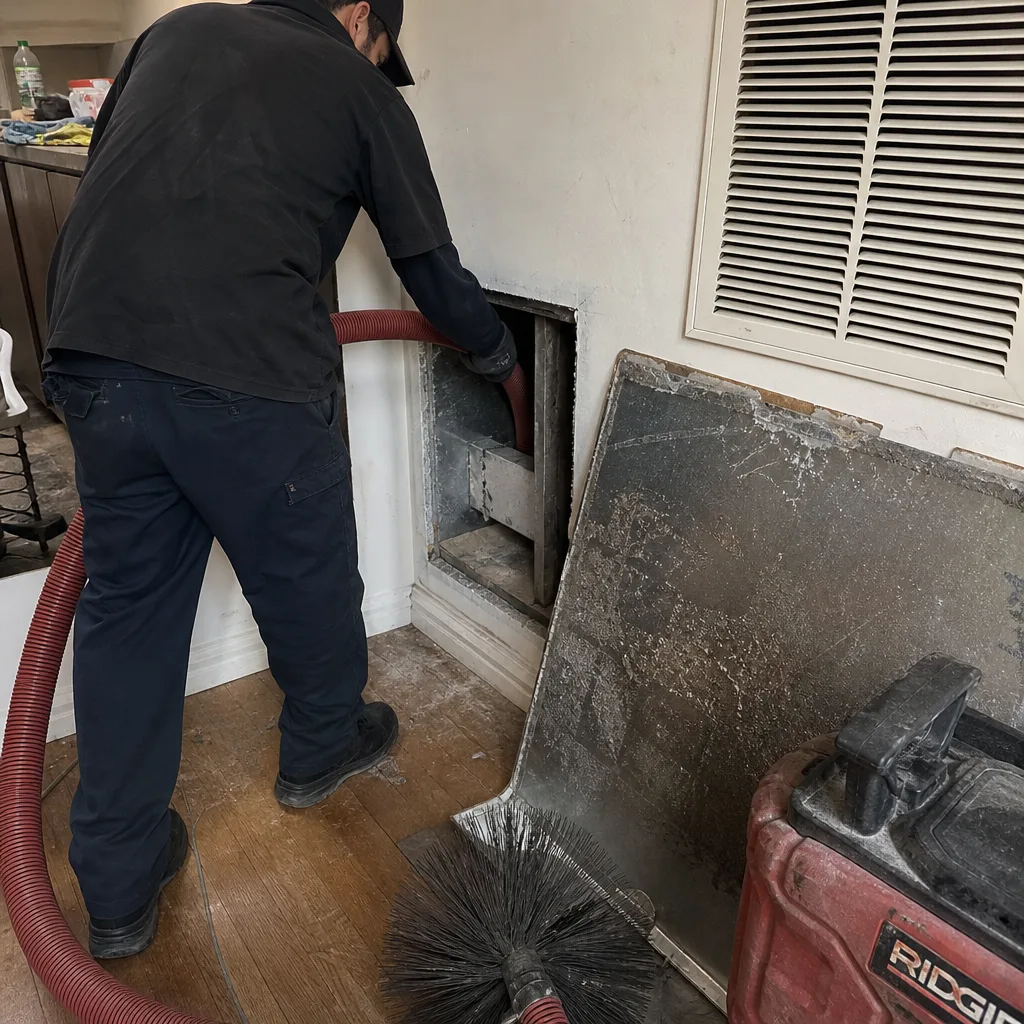 Before
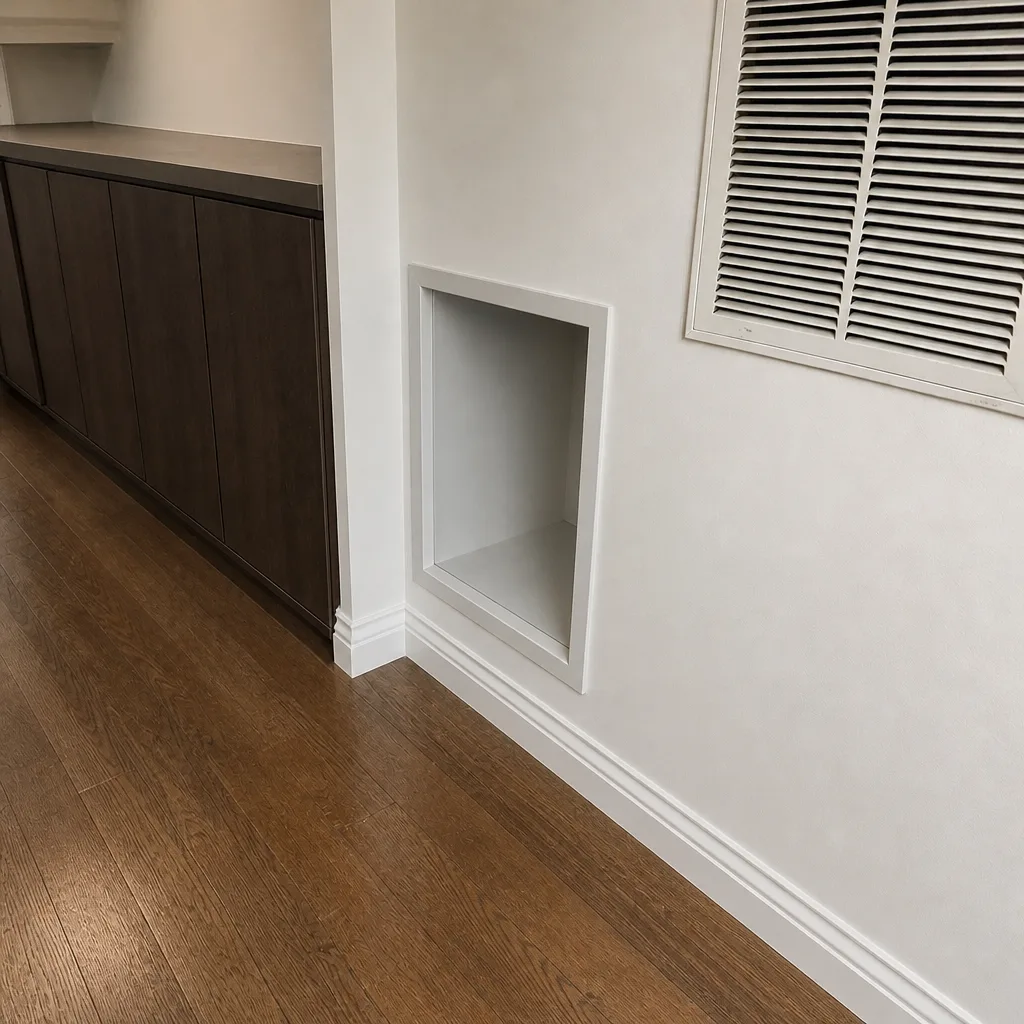 After
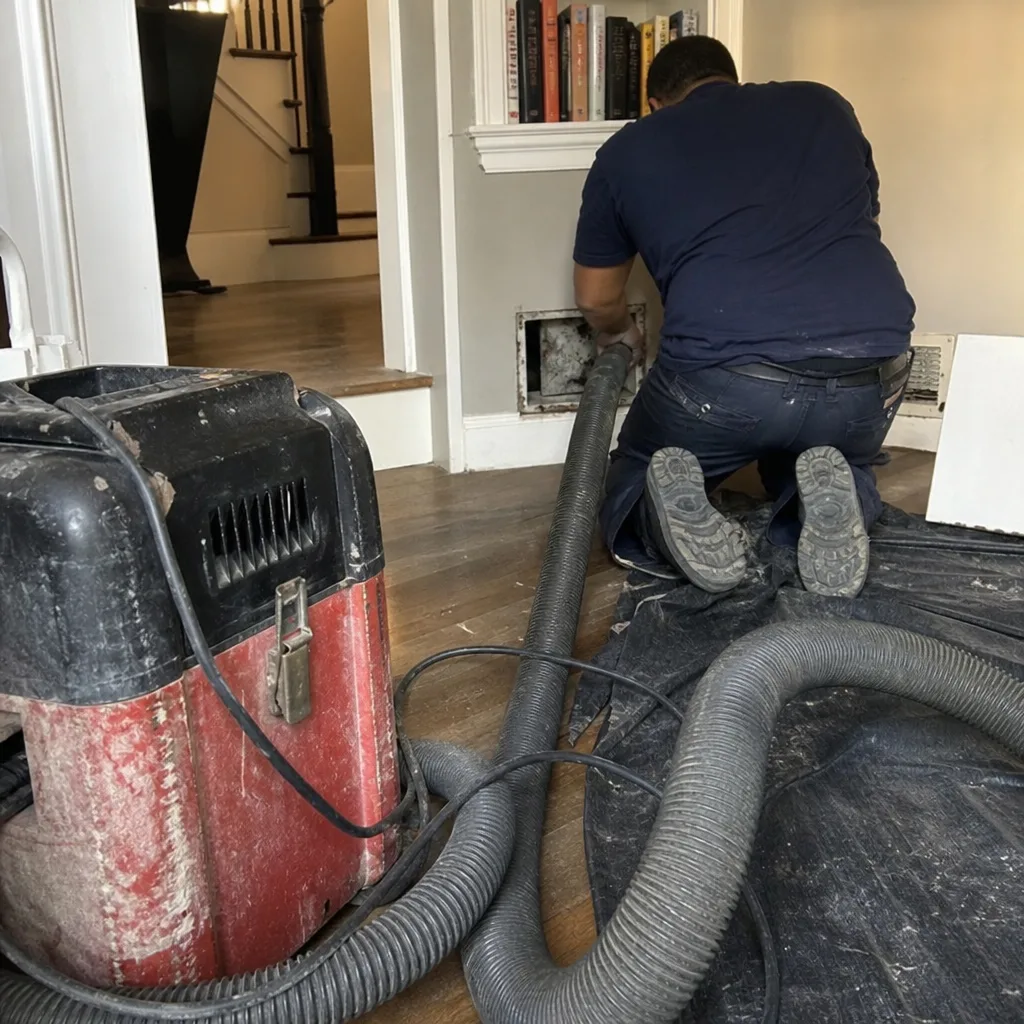 Before
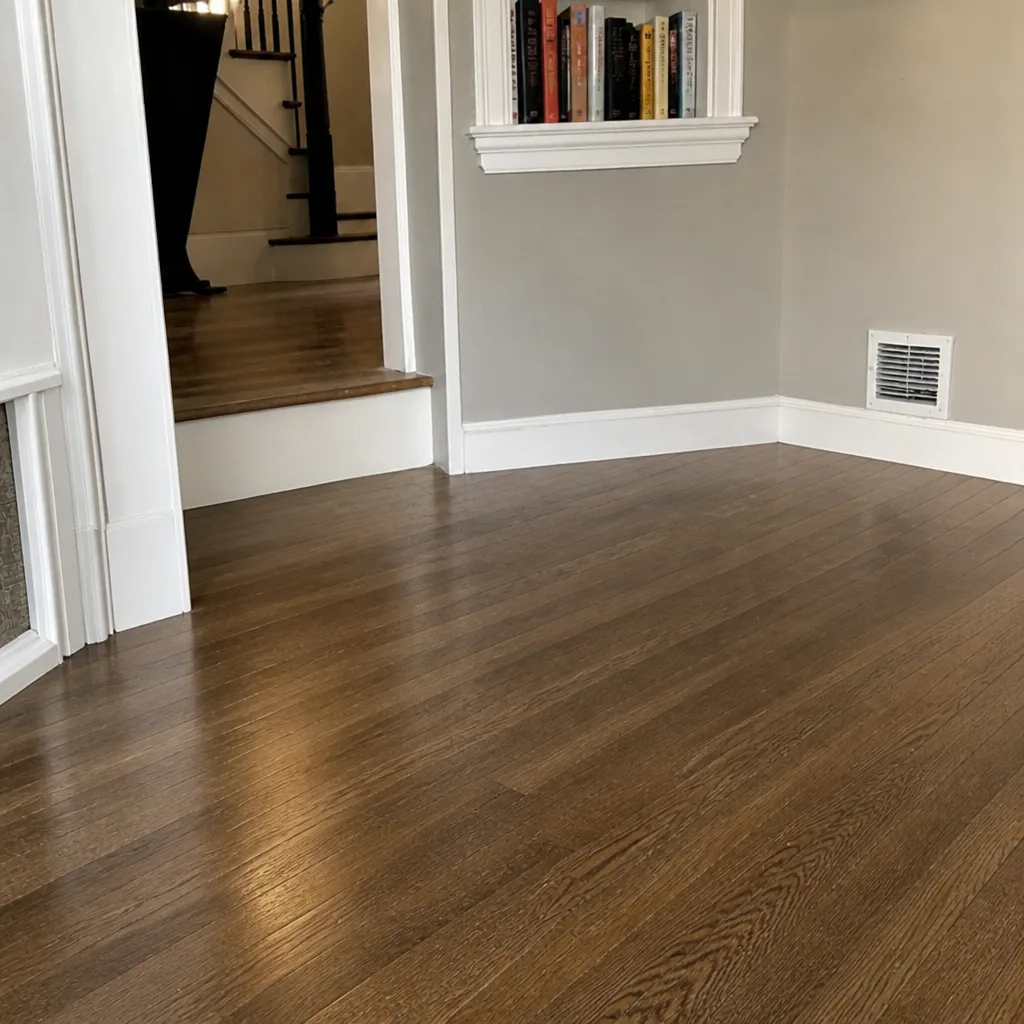 After
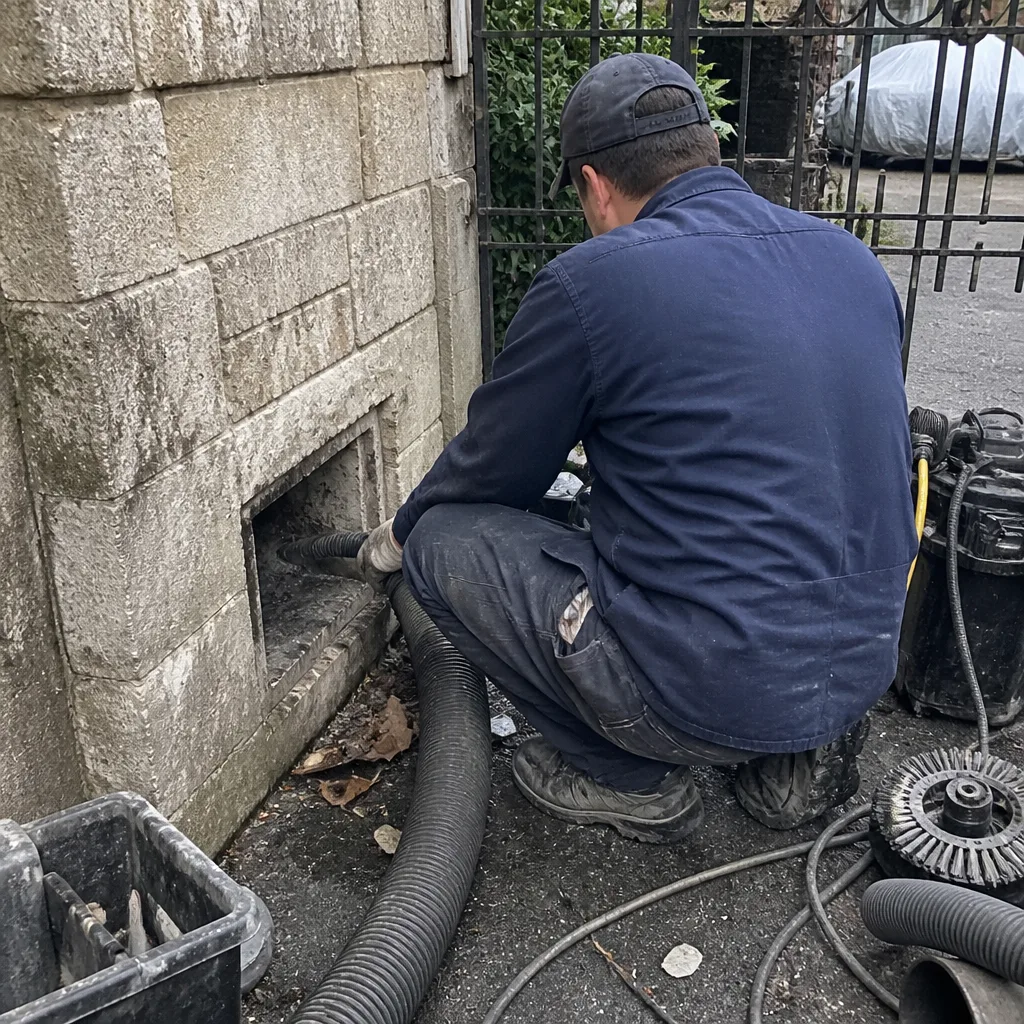 Before
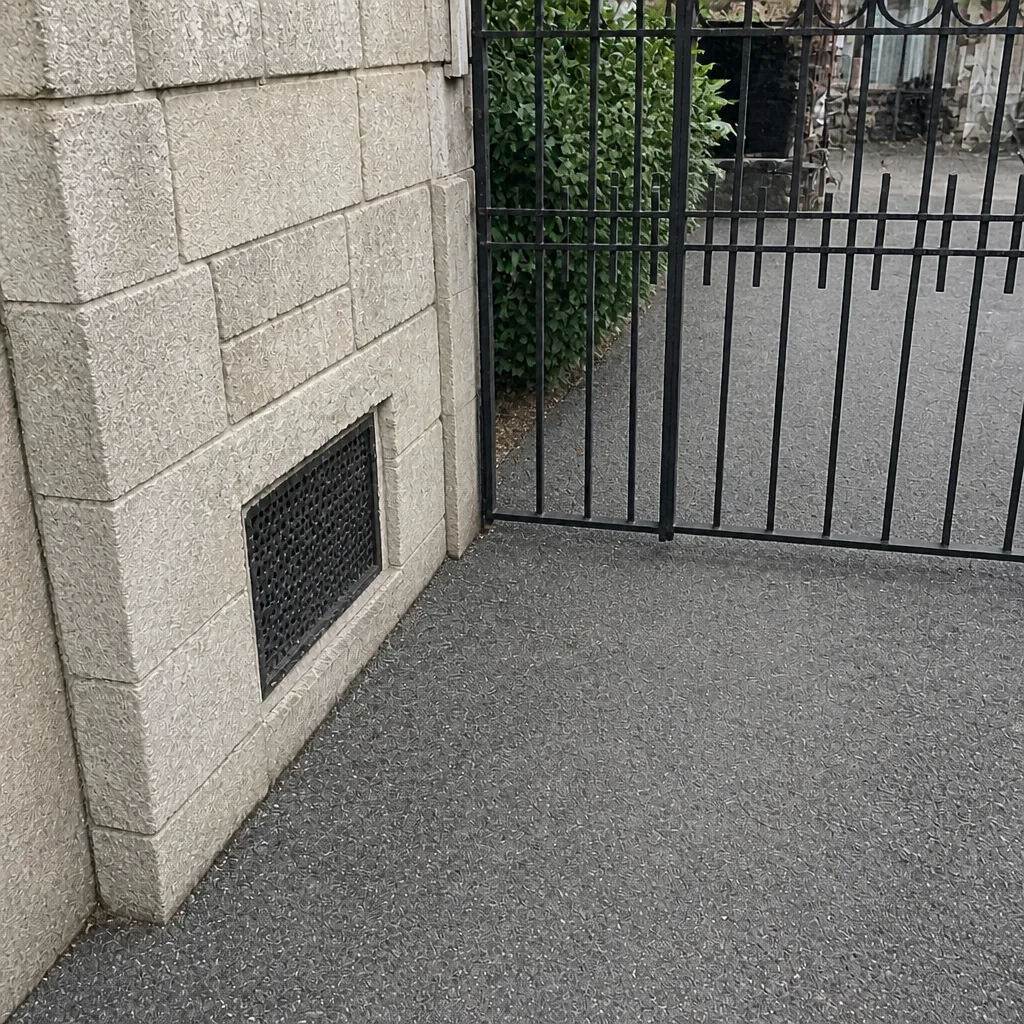 After
When to Call a Professional
Some seasonal tasks you can handle yourself: filter changes, clearing grilles, and watching for warning signs. Others need equipment and training. Call a professional when you see persistent musty or burning smells that return after a filter change, when you find water near the air handler or a ceiling stain, when airflow is consistently weak across the apartment, when you’re dealing with a full-building switchover and want the system cleaned before the change, or when duct lining shows soft or separated surfaces from summer humidity. Cleaning coils, duct interiors, and full air pathways requires professional-grade equipment and containment, not a shop vacuum. Air Duct Cleaning Upper East Side offers free estimates in Upper East Side – call (844) 443-3814. We answer 24/7. Fast dispatch from 7am to 7pm, Sunday through Friday.
Frequently Asked Questions
For most Upper East Side apartments, timing the cleaning to the two seasonal transitions, once before the switch to cooling and once before the switch to heat, covers the highest-risk windows. That works out to roughly twice a year for full-pathway cleaning in a system that runs hard, plus filter changes at each mode change. Homes with pets, recent renovation, or a history of moisture issues may need more frequent attention. Call (844) 443-3814 for an exact quote – estimates are free.
The idle period is worse because condensation lingers on the coil and dust settles undisturbed while the system isn’t moving air, which lets mold establish. During active use, constant airflow keeps surfaces drier and carries dust toward the filter. When the system stops, both protections stop, and the two-week window after the switch is when conditions concentrate. Cleaning timed to the switch catches that before the next cycle recirculates it.
Pricing is per system and set by a written estimate after we assess the apartment, not a per-vent rate. Most seasonal cleaning falls within a typical range based on system size, the number of returns, and whether duct repair or sealing is needed. The written estimate sets the final price, and there’s no per-vent pricing that balloons once work starts. Call (844) 443-3814 for an exact quote – estimates are free.
Cheap quotes usually reflect a vent-only wipe-down rather than full-pathway cleaning, and the low offer may not survive the visit. Our approach is one flat price per system agreed before work starts, with before-and-after photos of your own ducts so you can see what was done. If a quote seems low, ask exactly what it covers and whether it includes coils, blower, and duct lining.
Ask your building staff when the central system switches between heat and cooling, then book the cleaning for the week before. Building-wide switchover dates in Upper East Side steam-heated buildings are usually set in advance and known to the super or management. Leading the switch, rather than following it, is the point of seasonal care.
Full-system cleaning covers the air pathway: the coil surface, blower wheel, drain pan, and duct lining, using professional-grade rotary brush and vacuum equipment with negative-air containment so loosened debris doesn’t recirculate. We repair and seal where ducts leak, so contamination has less chance to re-enter. That’s the difference between cleaning the system and cleaning the surface. Call (844) 443-3814 for an exact quote – estimates are free.
The Bottom Line
Seasonal care for an Upper East Side apartment isn’t about cleaning more often. It’s about cleaning at the right moment: the transition windows when condensation, settled dust, and stagnant air create the conditions mold needs. Plan around your building’s switchover date, change filters when the mode changes rather than by date, inspect the drain and coil before cooling and confirm they’re dry before heat, and watch for warning signs during active use. Do those things, and the next seasonal shift becomes routine instead of a repair. If you’re unsure where your system stands, a free estimate tells you.
Professional-grade equipment, residential care. We work the full air pathway with Rotobrush and Nikro systems and Abatement Technologies negative-air containment, and we repair and seal where that’s what the job needs. Call (844) 443-3814 for a free estimate. We answer 24/7. Fast dispatch from 7am to 7pm, Sunday through Friday. Closed Saturday. Our technicians have up to 14 years of experience.
Written by the team at Air Duct Cleaning Upper East Side.