
Last updated November 22, 2026
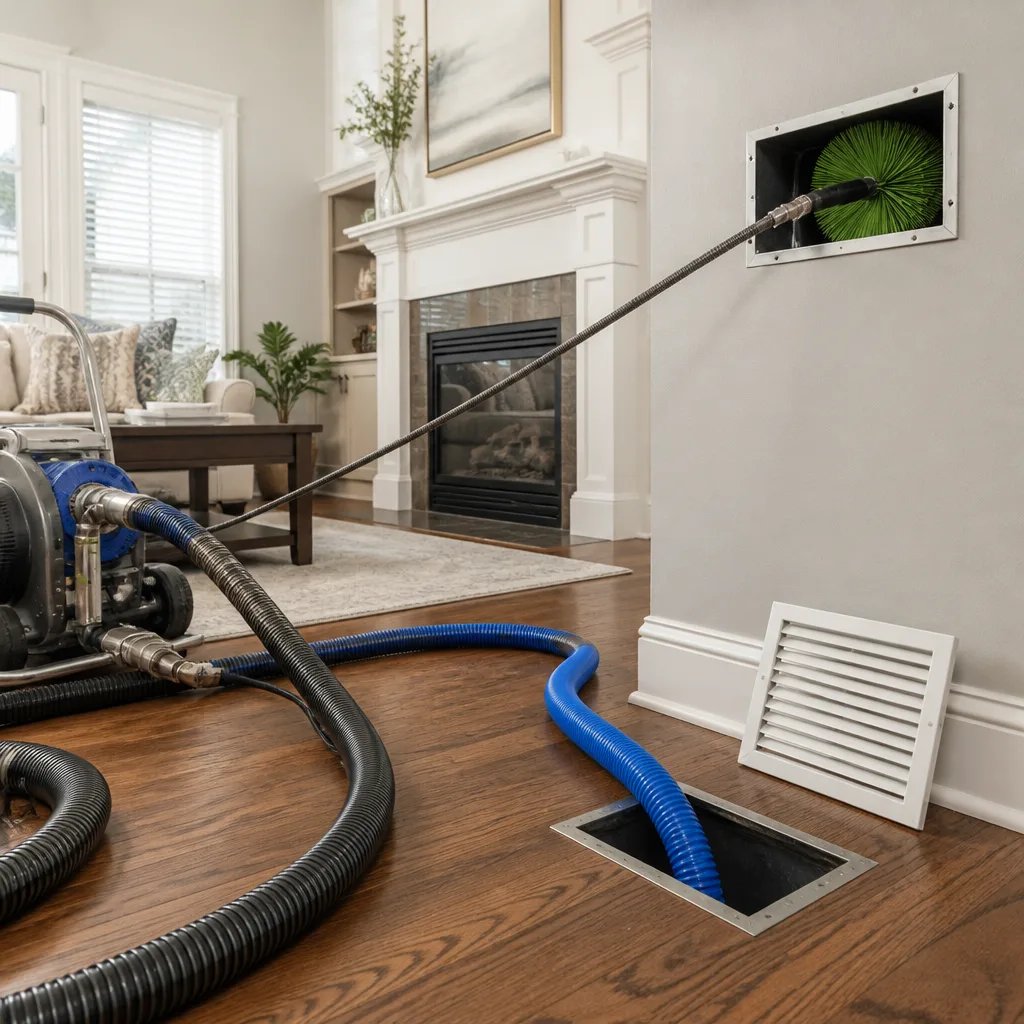 Whole-home duct cleaning
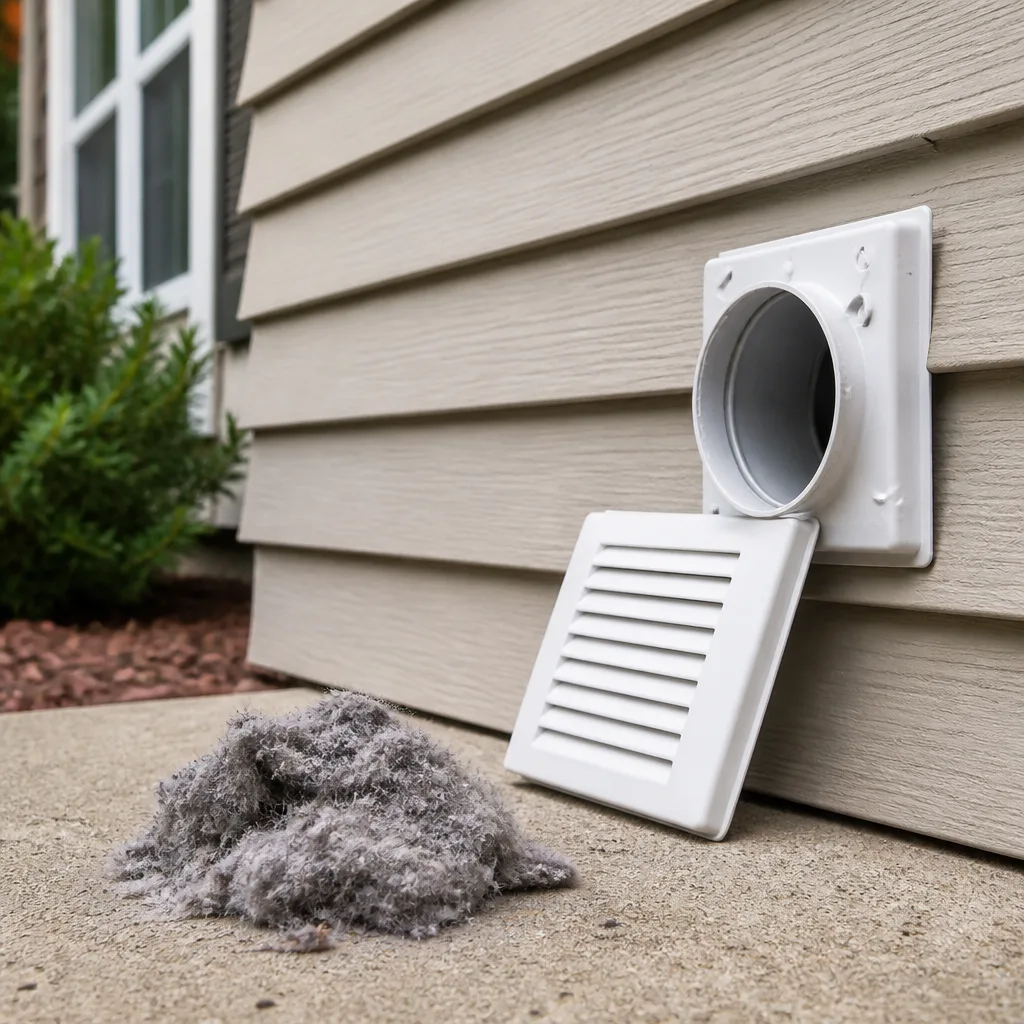 Dryer vent cleaning
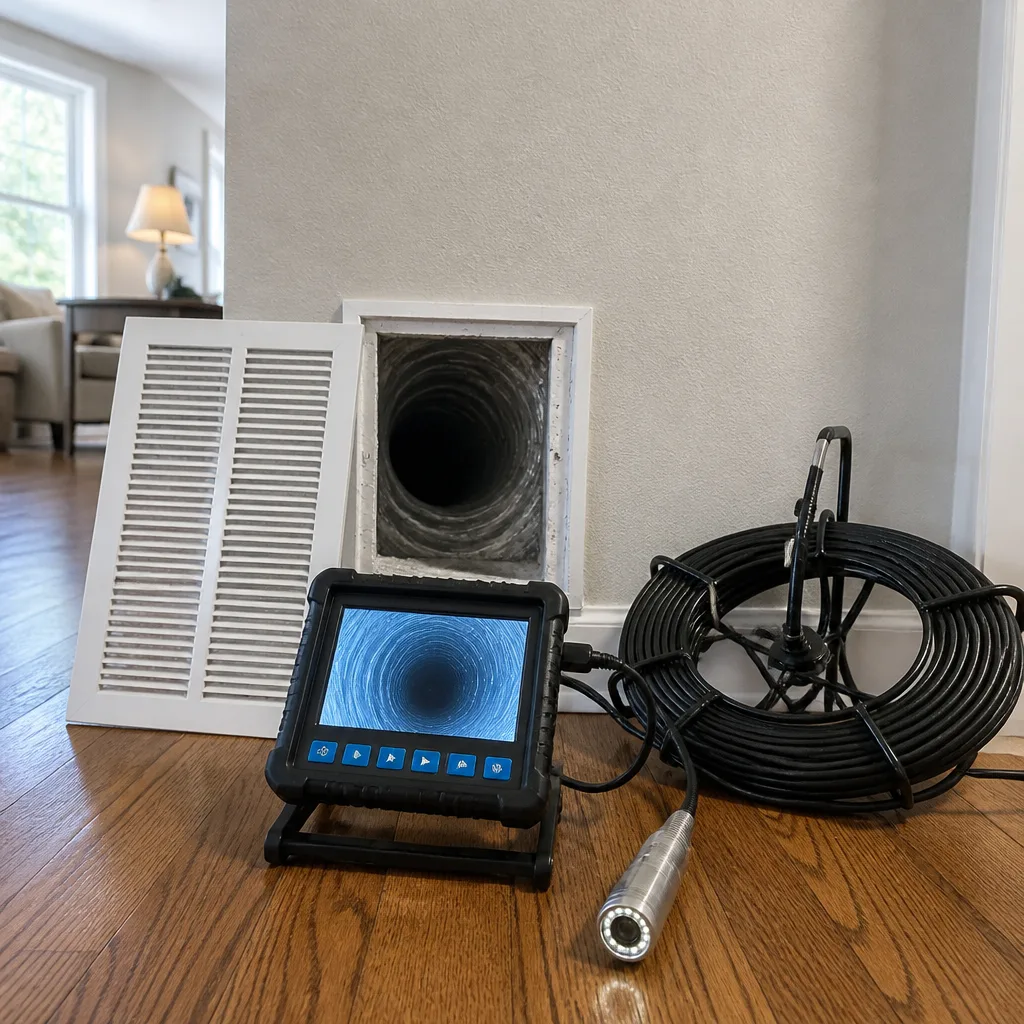 Camera inspection
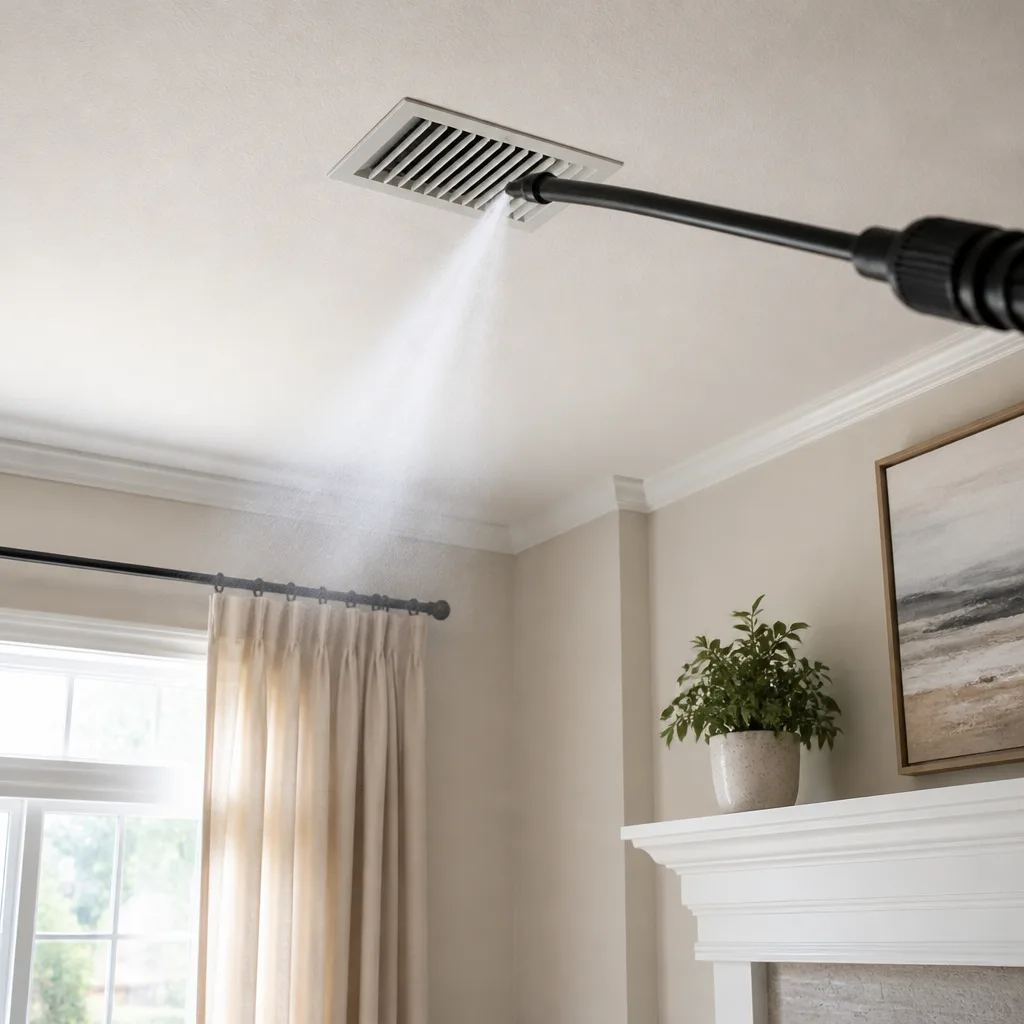 Sanitizing & deodorizing
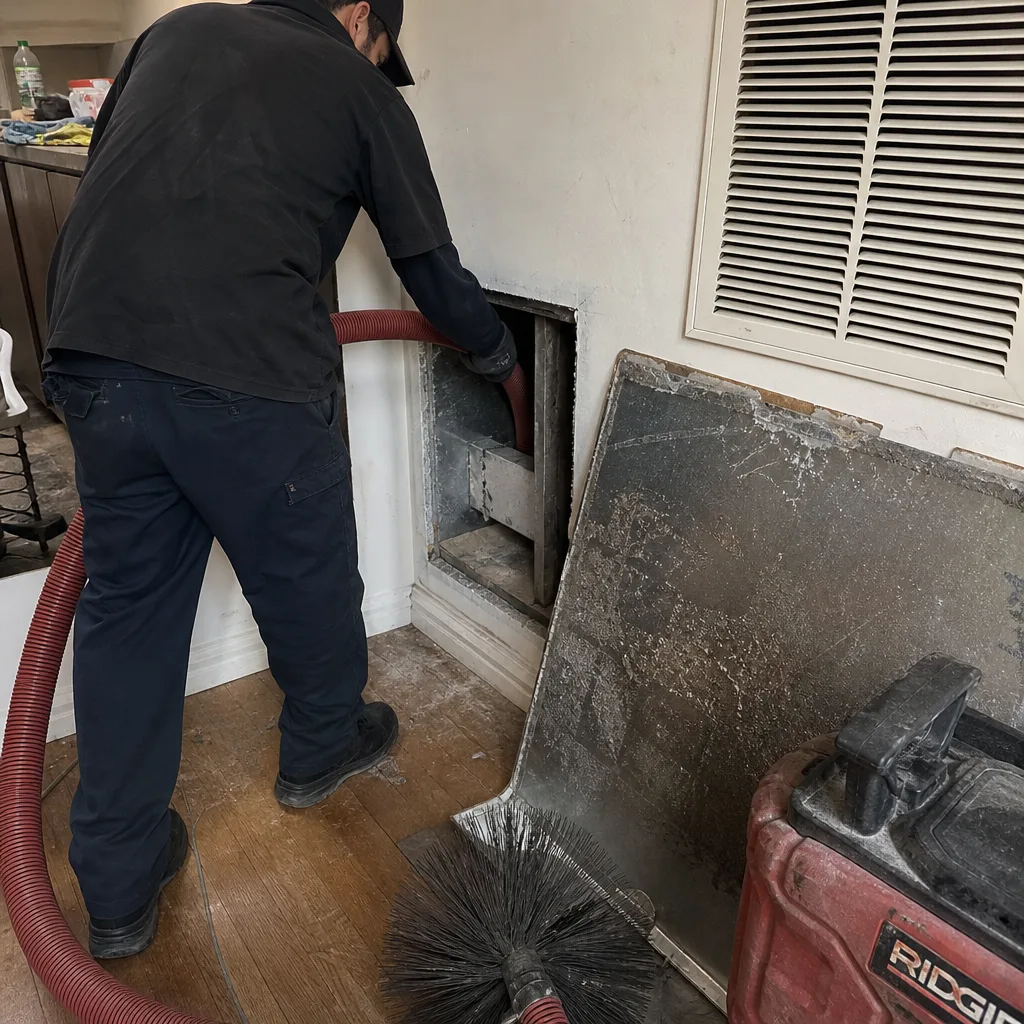
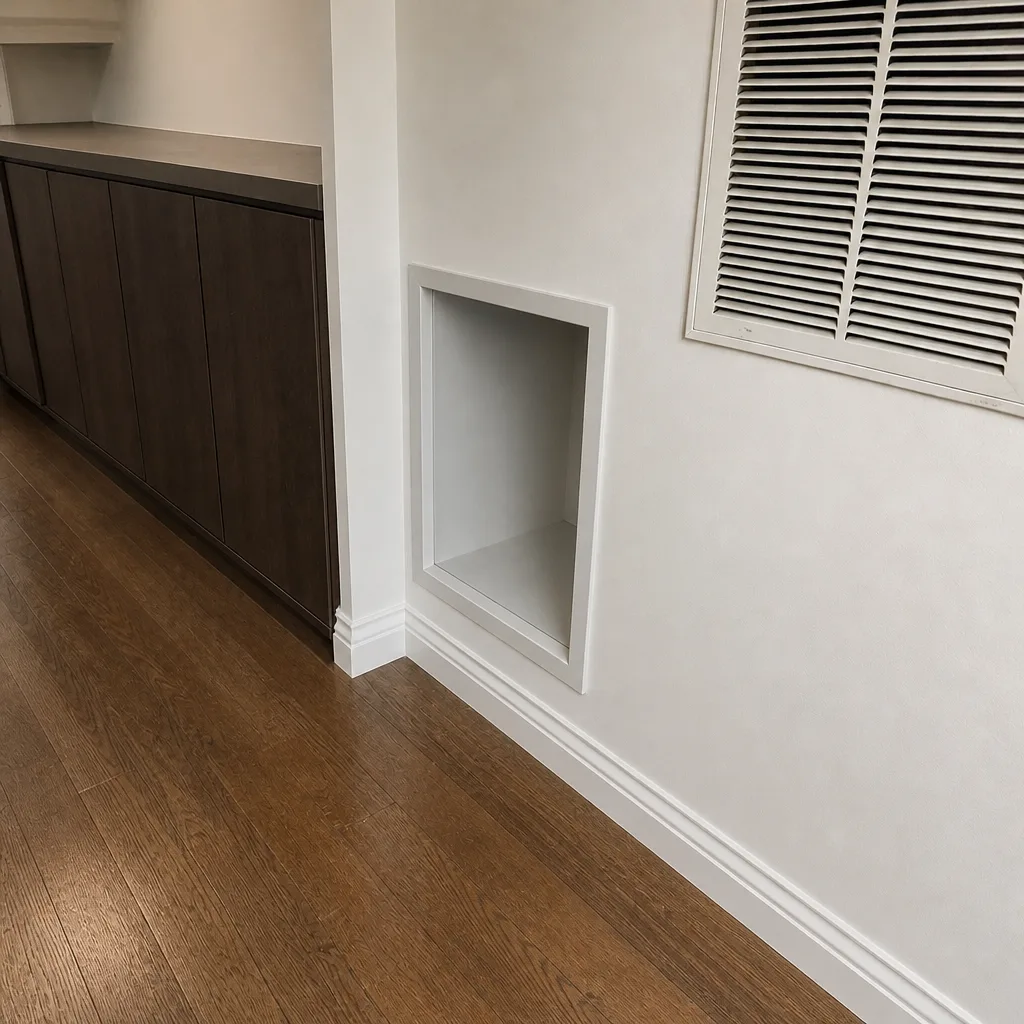
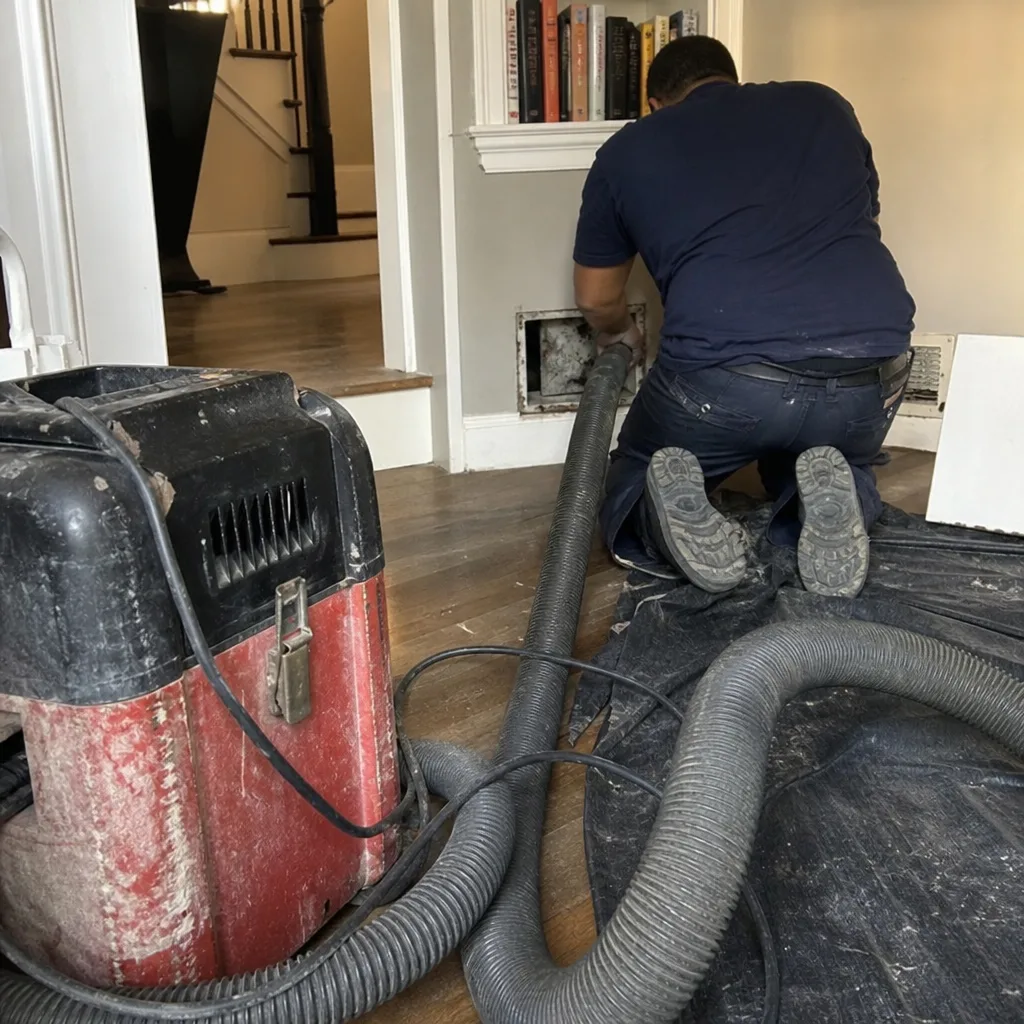
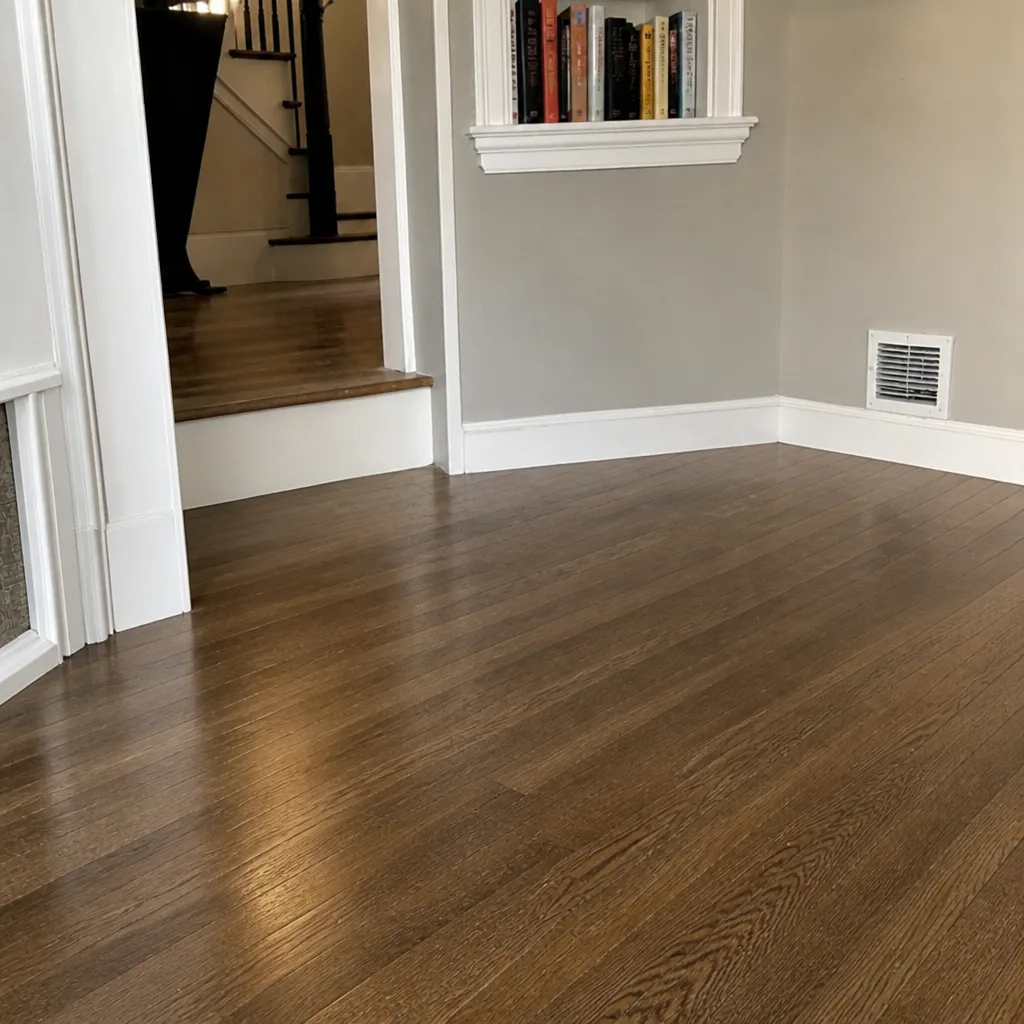
Whole-system duct and dryer vent check with before-and-after photos - you see exactly what came out of your vents
That "$99 whole-house special" is a bait ad - the real number appears once they are in your hallway, or the "clean" is a shop-vac at the register. We photograph the inside of your ducts before and after instead.
Choosing the Right Air Duct Cleaning Brand: A Buyer’s Guide for Upper East Side
Most people shopping for duct cleaning start with the same question: which brand is best? That is the wrong first question on the Upper East Side. Certification logos and familiar names tell you a company has read the same industry manual as everyone else. They tell you nothing about whether that company has ever wrestled a hose reel through a prewar co-op hallway, understood what an induction unit actually does, or knows why your building’s super needs 48 hours’ notice before anyone touches a service entrance. Technical fit beats brand recognition every time. This guide shows you how to vet capability rather than reputation, and how to tell a full-system contractor from a crew with a shop vacuum and a clipboard.
Quick Answer
Choose an Upper East Side air duct cleaning company by verifying four things: the specific professional-grade equipment it uses (rotary brush systems and negative-air containment, not consumer vacuums), documented urban high-rise experience (fan coil units, induction units, building access rules), a written post-job report with before-and-after photos, and one flat price per system agreed before work begins. Certification is a baseline, not a differentiator. Ask what machines they bring and what they’ll hand you when they leave, and the right choice becomes obvious.
Styles & brands we work with
- Whole-home duct cleaning
- Dryer vent cleaning
- Camera inspection
- Sanitizing & deodorizing
Table of Contents
- What Credentials Actually Tell You About Technical Competency
- Equipment: The Real Difference Between Full-System Contractors and Vent Cleaners
- How to Read Reviews for HVAC Service Specifically
- Questions That Reveal Urban High-Rise Experience
- What a Post-Job Report Should Include
- Matching the Company to Your Building Type
- How Pricing Works and What a Fair Quote Looks Like
What Credentials Actually Tell You About Technical Competency
A certification is a baseline signal. The most widely recognized one in this trade comes from NADCA, the National Air Duct Cleaners Association, and it tells you a company has been exposed to source-removal methodology, the principle that you extract contaminants rather than stir them around. That matters. But it says nothing about whether the crew that shows up has worked inside a Manhattan co-op with induction units and a building schedule that governs everything.
Some credentials carry real technical weight. Others are marketing designations with no threshold at all: a form, a fee, a logo. The gap between the two is where buyers get misled.
Here’s how to separate them:
- Trade association membership with published standards. Look for alignment with an organization that publishes written cleaning standards and requires adherence to them. That indicates method, not just membership.
- Equipment manufacturer training. A company trained on the specific machines it uses (rotary brush systems, negative-air units) has verifiable process knowledge. Ask which manufacturers trained the crew.
- Marketing badges. A “certified” seal from a directory site or a lead-generation network is not a technical credential. It’s advertising. Ask what the certification required.
- Insurance and licensing. The local pro you work with should be licensed and insured as their state and building require. Ask for proof, not a verbal yes.
The test is simple. Ask a company to explain what its certification required. A technically competent one can describe the training in plain terms. A company that bought a badge will answer in vague marketing language. That distinction alone will filter out half your candidate list.
Equipment: The Real Difference Between Full-System Contractors and Vent Cleaners
Equipment is the clearest differentiator in this trade, and the easiest to verify. A vent-cleaning crew shows up with a shop vacuum and a brush. A full-system contractor brings equipment designed for the entire air pathway, including the plenum, the trunk lines, the branch runs, and the registers. The gap in outcome is enormous.
Professional-grade systems change what’s possible. Rotary brush systems (we use Rotobrush and Nikro, the same class of equipment trusted in commercial and healthcare settings) mechanically agitate and extract debris from duct walls in a way a hand brush can’t reach. Negative-air containment equipment from Abatement Technologies holds the work area under negative pressure, so loosened debris is exhausted out of the system rather than recirculated into your living room. On the Upper East Side, where apartments share walls and hallways in close quarters, containment isn’t a luxury. It’s the difference between cleaning and redistributing.
So how do you verify a company actually owns and uses this equipment? Ask directly, then check:
- Ask for the equipment list by name. A real contractor will name specific machines. Vague answers (“professional equipment”) are a red flag.
- Request before-and-after photos from a recent job. Photos show the machines in place, not just the result.
- Ask how containment works during the job. A company that can explain negative pressure in plain language uses it.
- Ask whether the crew can handle repairs and sealing. The best-equipped contractors carry duct repair and sealing as a core service, not an afterthought.
A crew that cleans the system rather than the surface can also install air-quality upgrades on the same visit. We work with Honeywell and Aprilaire products, which means we can both clean what’s there and improve it in one appointment. That breadth is worth asking any company about: if they can’t service the whole system, you’ll be hiring someone else next year for the part they skipped.
How to Read Reviews for HVAC Service Specifically
Reviews for duct cleaning are hard to read because most of them describe customer service, not technical work. “Friendly, on time, cleaned up after themselves” tells you the crew was polite. It tells you nothing about whether the work was done. You need to learn to read for the technical signals buried inside the social ones.
In positive reviews, look for specifics that only a real job produces:
- Mentions of a before-and-after photo report or documented findings.
- References to containment, negative pressure, or debris being exhausted rather than left behind.
- Comments about the crew explaining what they found inside the system.
- Praise for handling a hard access situation (a co-op, a tight hallway, a building super’s schedule).
In negative reviews, the technical red flags matter more than the tone:
- Complaints about dust or debris in the apartment after the crew left. That’s a containment failure, not a bad day.
- Reports of a low quoted price ballooning into a larger invoice on site. That’s a bait-and-switch pattern.
- No documentation of what was actually done. Without a report, the customer can’t verify the work.
- Vague descriptions of what was cleaned (“they did the vents”) rather than the full system.
We’ve seen enough Upper East Side jobs to know that the reviews describing documentation and containment are the ones from customers who got real work done. Filter for those. A company with ten technically specific reviews is a better bet than one with a hundred friendly ones and no detail.
Questions That Reveal Urban High-Rise Experience
Upper East Side buildings are not suburban houses, and the equipment and process that work in a split-level won’t translate automatically to a prewar co-op with a boiler, a riser system, and a super who governs access. A company with real urban high-rise experience answers certain questions fluently. A suburban-focused crew hesitates.
Ask these questions and listen to the answers:
- “How do you handle building access and super coordination?” A company that knows Upper East Side buildings will tell you about certificates of insurance requirements, service elevator scheduling, and the 48-hour access notice many buildings require. A crew that hasn’t worked here will look confused.
- “Have you worked with fan coil units and induction units?” Many Upper East Side apartments run on vertical fan coil or induction systems rather than conventional ducted HVAC. A knowledgeable company will describe how it cleans those components and what it can’t reach without opening them.
- “What documentation do you provide for co-op board approval?” Boards in Upper East Side buildings often require proof of insurance and a written scope of work before work can start. A company that has done this before knows exactly what to send.
- “How do you handle containment in a shared-wall apartment?” The answer should mention negative-air equipment and sealing off returns, not just plastic sheeting.
In our experience, the tell is specificity. A company with genuine urban experience answers these questions with concrete process details. A company without it gives general reassurances that don’t hold up under follow-up. Ask the questions, then ask one more about the first answer. The second answer is where the truth shows.
What a Post-Job Report Should Include
If a company can’t hand you a written report when it leaves, you have no way to verify what was actually done. This is the single most overlooked part of choosing a contractor. Anyone can say they cleaned the ducts. A proper report proves it.
A credible post-job report includes four things:
- Before-and-after documentation. Photographs of your own ducts, taken inside the system before and after cleaning. Not stock photos, not “representative” images. Your system.
- The equipment used. Specific machine names. This is how you confirm the equipment discussed at the quote stage is what actually showed up.
- Components accessed. A list of what was cleaned: registers, trunk lines, plenum, returns, and any fan coil or induction components. This is how you know the work was full-system, not surface.
- Findings. What the crew observed inside the system: buildup, leaks, disconnected runs, failed seals, moisture. Findings are where a real contractor adds value, because they tell you what else needs attention.
If any of these are missing, ask why before you pay. A company that does thorough work is proud of its documentation. A company that skips it is telling you something. We include before-and-after photos as standard practice because the customer deserves to see the actual result, not take our word for it.
Matching the Company to Your Building Type
The Upper East Side has a distinct mix of building types, and each one calls for slightly different know-how. A company that has worked in your building type will know what to expect. One that hasn’t will learn on your job.
- Prewar co-ops. These often have vertical fan coil or induction systems, shared risers, and strict building access rules. The contractor needs to understand service elevator scheduling, building insurance requirements, and how to work in a tight footprint without disturbing neighbors.
- Postwar high-rises. Frequently conventional ducted systems with central equipment. Access is easier but the scale is larger, and a fully equipped contractor can clean the whole vertical run rather than just one apartment’s branch lines.
- Townhouses and brownstones. Often retrofitted with multiple zones, older ductwork, and leaks or disconnected runs at the joints. Duct repair and sealing becomes more important here than cleaning alone.
- Newer condos. Tighter construction, more complex air handling, and often air-quality systems (filtration, humidification) already installed. A contractor that works with Honeywell and Aprilaire equipment can service what’s there and recommend upgrades.
Ask the company how many jobs it has done in buildings like yours. A good one will describe the challenges specific to your building type, not a generic pitch. When we quote an Upper East Side job, we ask about building access, system type, and whether the board requires documentation before we commit to anything. That conversation is the vetting. You’ll learn more from it than from any brochure.
How Pricing Works and What a Fair Quote Looks Like
Pricing in this trade is where most of the horror stories start. A teaser coupon price becomes a much larger invoice once the crew is on site, because the coupon only covers the vents and everything else is a line-item add-on. The way to avoid this is to understand how a fair quote should be structured before you call.
A trustworthy quote has three features:
- One flat price per system, agreed before work starts. The price should cover the whole system, not per-vent or per-register. If a company quotes per vent, the bill can escalate indefinitely.
- Written, not verbal. You should have the scope and price in writing before anyone touches your ducts. A verbal estimate is not a commitment.
- No surprises. If repairs or sealing are needed, they should be discussed and priced separately, with your approval, before the work proceeds.
We won’t quote a per-vent price or a coupon number because those figures are how bait-and-switch starts. The honest approach is a whole-system estimate built around what your particular building and system actually require. For a full breakdown of what a fair system-level quote looks like in this area, the guide to air duct cleaning walks through the components and how each affects scope.
We also won’t tell you a company that quotes low is automatically bad. What we will tell you is to compare scope, not price. A quote that includes containment, before-and-after documentation, and repair assessment is worth more than a lower number that includes none of those things.
When you’re comparing companies, also ask about the other air systems in your home. Dryer vent cleaning is a separate service from duct cleaning, and it’s one of the most overlooked fire-safety items in any apartment. A company that offers dryer vent cleaning as a standalone service alongside its duct work can cover more of your system in one relationship. The same goes for HVAC cleaning, which covers the equipment that moves the air, not just the pathways it travels through.
If you want to see how this looks in practice, Air Duct Cleaning Upper East Side outlines the full range of services we offer, from cleaning to repair and sealing to sanitizing with Guardsman-backed treatments. Every estimate is documented, and we don’t bill by the vent.
Common Mistakes to Avoid
- Choosing on price alone. The lowest quote is often the most expensive in the end, because the coupon price excludes containment, documentation, and repair. Compare scope against scope.
- Accepting a per-vent or per-register quote. Per-vent pricing invites escalation. Ask for one flat price per system, in writing, before work begins.
- Skipping the equipment question. If a company can’t name the machines it uses, it’s likely a vent-cleaning crew. Ask specifically about rotary brush systems and negative-air containment.
- Overlooking building access rules. In Upper East Side co-ops, forgetting to confirm the 48-hour access notice, insurance certificate, and service elevator scheduling can cancel a job at the door.
- Not asking for a post-job report. Without before-and-after photos and a components-accessed list, you can’t verify the work was done. This single omission undoes everything else.
- Ignoring duct repair and sealing. Cleaning a system with leaks and disconnected runs is wasted effort. Ask whether repair and sealing are part of the scope or an afterthought.
- Skipping dryer vent cleaning. Dryer vents are a leading cause of residential fires and are routinely neglected. If your company doesn’t offer it, you’ll need to hire someone else for a service that should be covered in the same visit.
See the difference
 Before
 After
 Before
 After
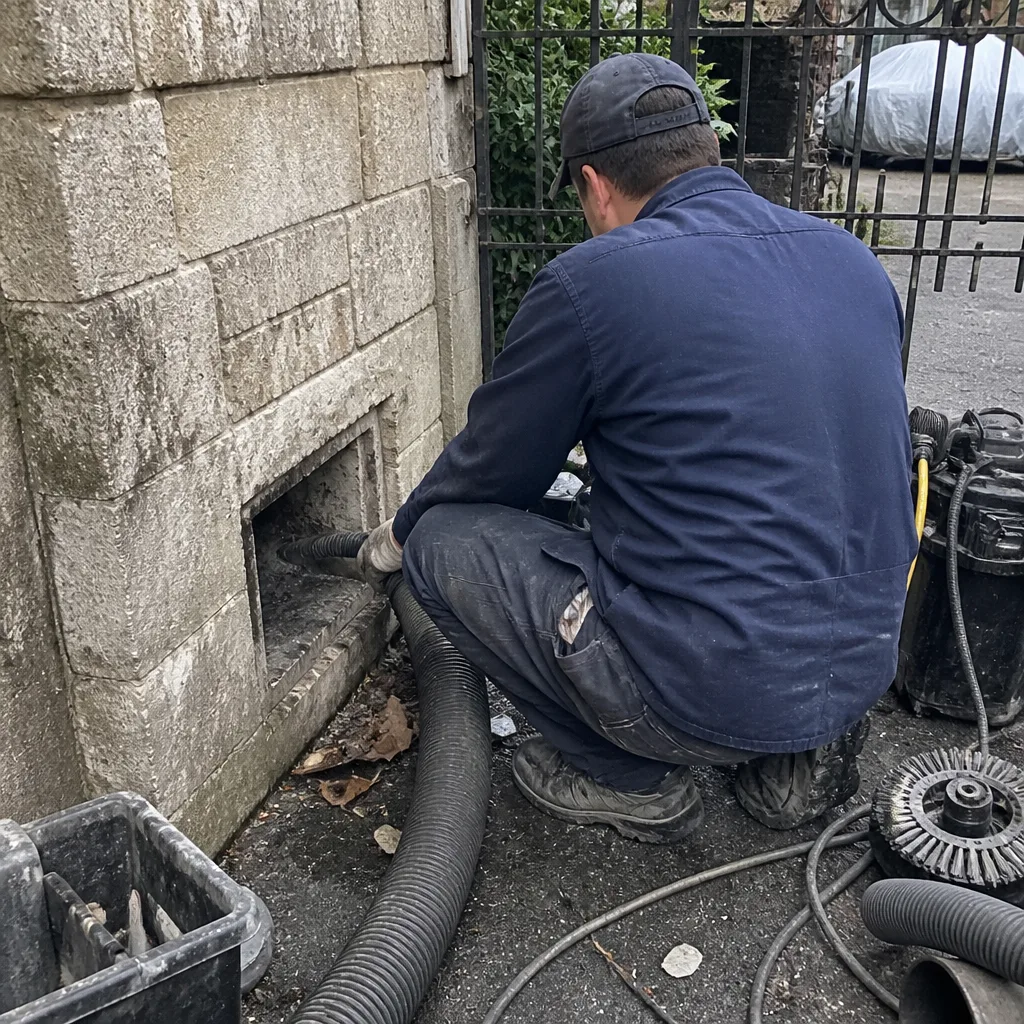 Before
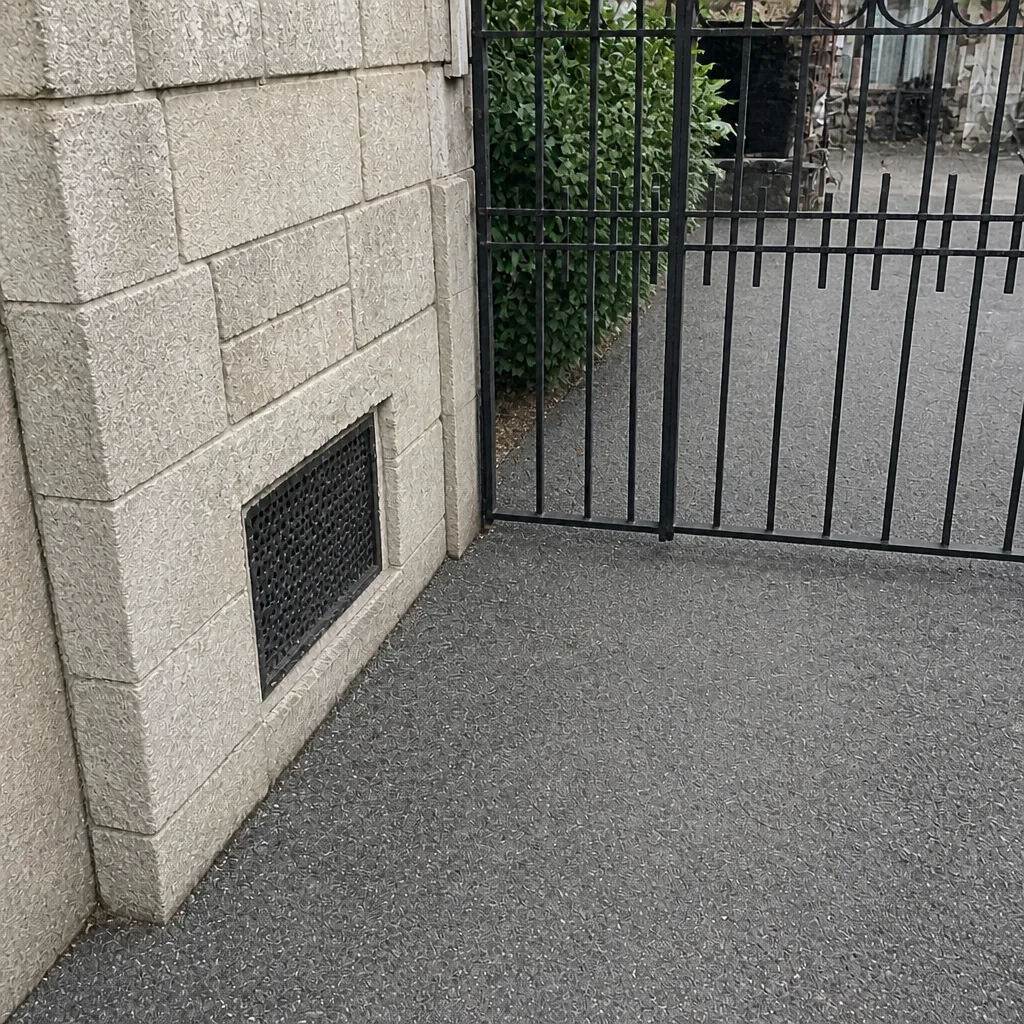 After
When to Call a Professional
Call a professional when you notice dust returning to surfaces days after cleaning, visible debris around registers, musty odors that persist when the system runs, or a sudden uptick in allergy symptoms at home. Call when you’re moving into a co-op and don’t know the system’s service history. Call when your building is planning any renovation, because construction dust reaches ductwork. Call when you’re a property manager whose residents are reporting symptoms. And call when your dryer is taking longer than usual to dry a load, which is a sign the vent line is restricted.
Air Duct Cleaning Upper East Side offers free estimates in Upper East Side. Call (844) 443-3814. We answer 24/7. Fast dispatch from 7am to 7pm, Sunday through Friday.
Frequently Asked Questions
The best company for your Upper East Side building is the one whose equipment, training, and experience match your building type. Look for professional-grade rotary brush systems and negative-air containment, documented urban high-rise experience, written before-and-after reports, and one flat price per system. Certification is a baseline; technical fit is the real differentiator. Call (844) 443-3814 for a free estimate.
Yes, but as a baseline rather than a differentiator. NADCA membership tells you a company understands source-removal methodology, the principle of extracting contaminants rather than stirring them. It doesn’t tell you whether that company has worked inside a prewar co-op with induction units. Ask what the certification required and pair it with questions about urban experience. Call (844) 443-3814 to talk through your building.
Ask for the equipment list by name and request before-and-after photos from a recent job that show the machines in place. A company that uses rotary brush systems (like Rotobrush or Nikro) and negative-air units (like Abatement Technologies) will name them without hesitation. Vague answers about “professional equipment” are a red flag. Call (844) 443-3814 and we’ll walk you through exactly what we bring.
Yes, if the company has real urban high-rise experience. Upper East Side co-ops often require 48 hours’ notice for service elevator access, a certificate of insurance, and board approval of the written scope. A company that has worked in these buildings will know the paperwork and schedule before the job is booked. Ask about it at the quote stage. Call (844) 443-3814 for a free estimate.
A credible report includes before-and-after photos of your own ducts, the specific equipment used, a list of components accessed (registers, trunk lines, plenum, returns, fan coil units), and the crew’s findings. If any of these are missing, the work can’t be verified. Ask to see a sample report before booking. Call (844) 443-3814 to request one.
Lower quotes usually cover less: vent-only cleaning instead of full-system, no containment, no documentation, and no repair assessment. The low price becomes a larger invoice on site when add-ons appear. Compare scope, not price. A quote that includes professional equipment, containment, and a written report is the fair comparison. Call (844) 443-3814 for so the written estimate sets the final price.
The Bottom Line
Choosing an air duct cleaning company on the Upper East Side comes down to technical fit, not brand recognition. Certification is a starting point. What separates a full-system contractor from a vent-cleaning crew is the equipment (rotary brush systems and negative-air containment), the urban high-rise experience (co-op access, fan coil and induction units, board documentation), and the documentation handed to you when the work is done. Ask about all three before you book. A company that can name its machines and its process is the one you want in your building.
Air Duct Cleaning Upper East Side connects homeowners and property managers with vetted local professionals across five services: air duct cleaning, dryer vent cleaning, HVAC cleaning, duct repair and sealing, and air quality and sanitizing. Every estimate is free and sets the price in writing before work begins. Call (844) 443-3814. We answer 24/7. Fast dispatch from 7am to 7pm, Sunday through Friday.
Written by the team at Air Duct Cleaning Upper East Side.