
Last updated November 22, 2026
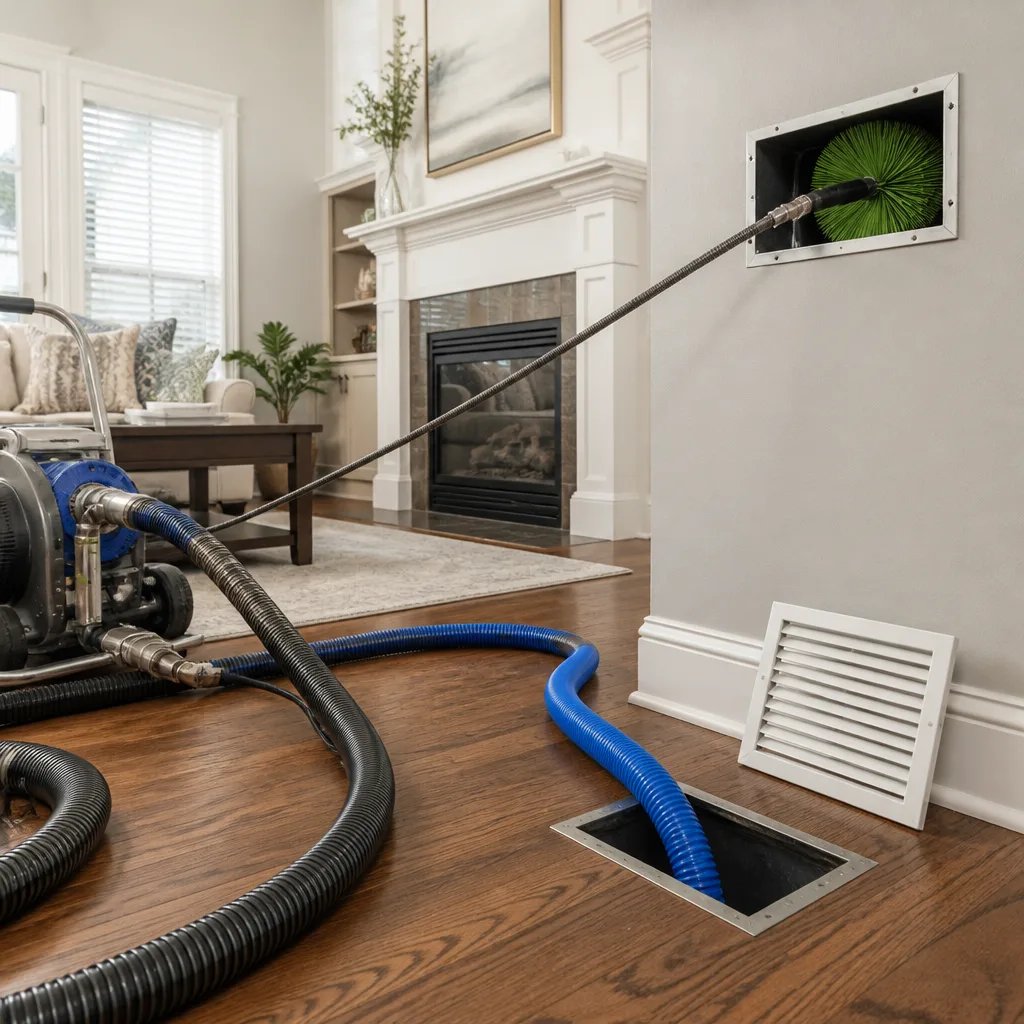 Whole-home duct cleaning
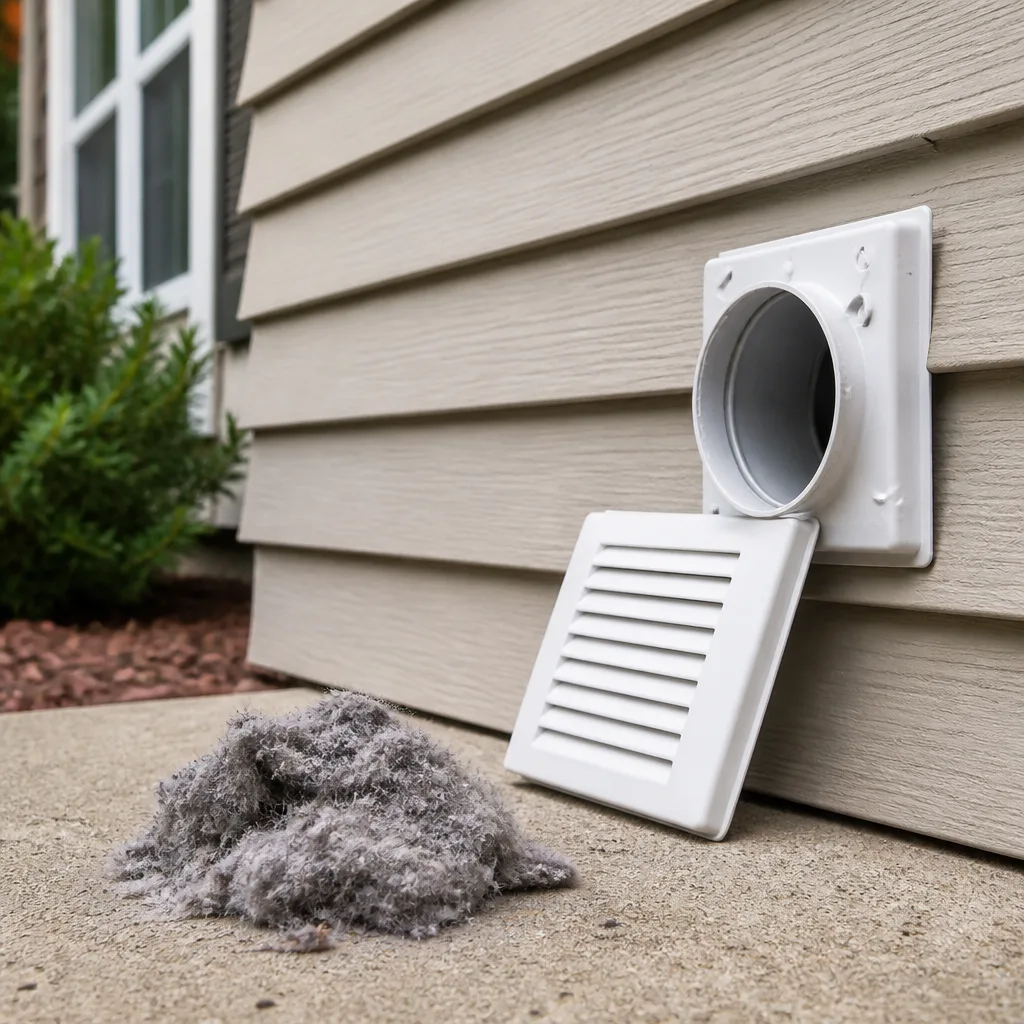 Dryer vent cleaning
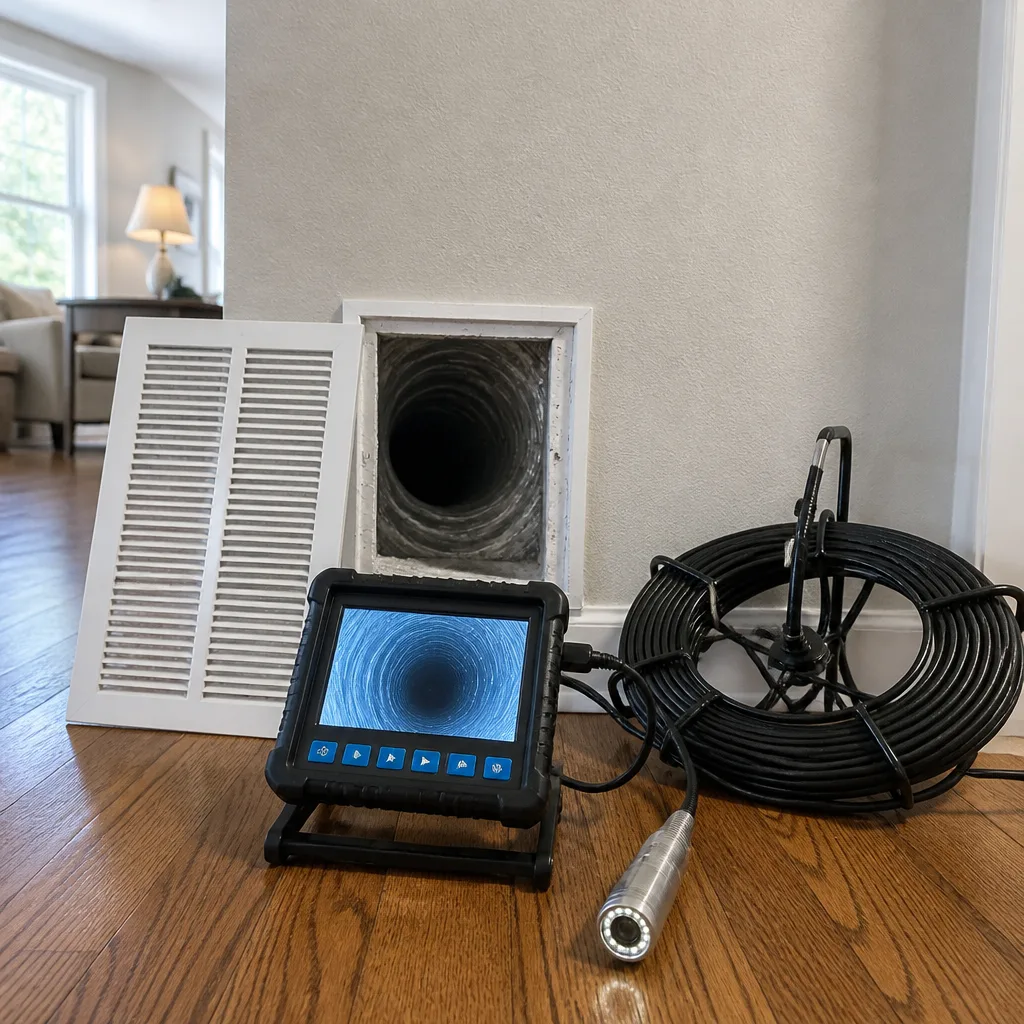 Camera inspection
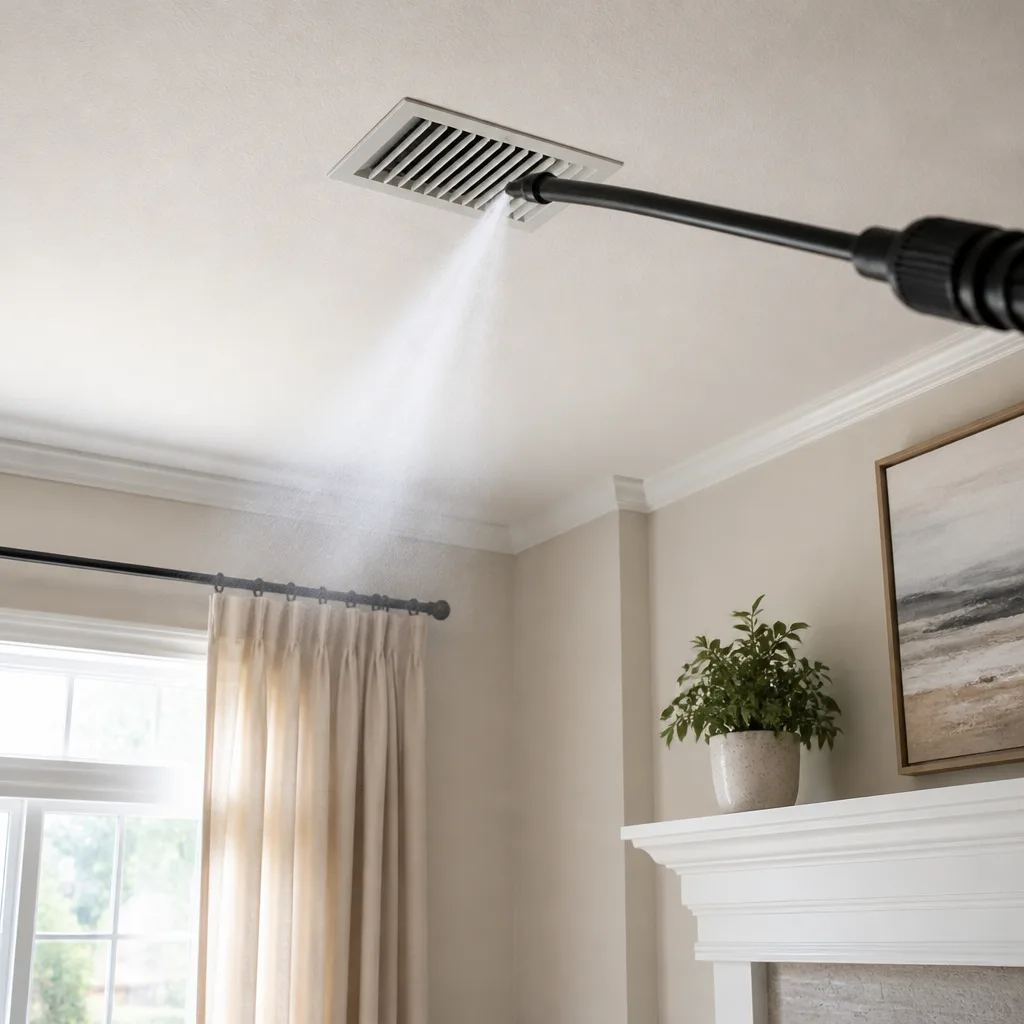 Sanitizing & deodorizing
Whole-system duct and dryer vent check with before-and-after photos - you see exactly what came out of your vents
That "$99 whole-house special" is a bait ad - the real number appears once they are in your hallway, or the "clean" is a shop-vac at the register. We photograph the inside of your ducts before and after instead.
Air Duct Cleaning Warning Signs: An Upper East Side Homeowner’s Reference Guide
Dust settling back onto a freshly wiped surface 48 hours later isn’t a housekeeping problem. It’s your HVAC system redistributing what it’s been accumulating, and in a sealed high-rise apartment there’s nowhere else for it to come from. The trouble is that most Upper East Side residents misread that dust, or a smell, or a faint whistle at a grille, as something coming from the hallway, the apartment next door, or the building’s shared risers. Sometimes it is. Often it isn’t. This guide teaches you how to tell the difference, what each warning sign points to inside your own system, and the point at which you stop waiting for your next scheduled cleaning and pick up the phone.
Quick Answer
The main warning signs your air ducts need cleaning are dust that returns within two to three days of cleaning, a persistent musty or metallic smell that appears only when the system runs, visibly dark buildup on grille faces and register fins, uneven airflow between rooms, and a fan that sounds strained. In an Upper East Side apartment, the critical first step is confirming the problem originates in your own system rather than the building’s shared air, and a few simple household tests will settle that question before you spend a dollar on service.
Styles & brands we work with
- Whole-home duct cleaning
- Dryer vent cleaning
- Camera inspection
- Sanitizing & deodorizing
Table of Contents
- Is It Your Ducts or Your Building? A Diagnostic Primer
- Dust That Returns: What Timing Tells You
- Odor Patterns: Musty, Burning, and Metallic
- Airflow Changes You Can Measure Without Equipment
- Reading the Grilles and Registers
- Duct Leakage and Why Sealing Is Part of Cleaning
- Immediate Response vs. Scheduled Service
- Common Mistakes to Avoid
Is It Your Ducts or Your Building? A Diagnostic Primer
This is the question that decides everything else, and in an Upper East Side co-op or condo it’s usually the first thing our technicians get asked. Buildings here breathe in ways single-family houses don’t. Warm air rises through the stack, hallway air gets pulled under apartment doors, and renovation dust from three floors up finds its way into return grilles that share a riser. Those are real problems, but they aren’t duct problems, and cleaning your ducts won’t solve them.
Here’s how to isolate your own system from the building’s.
- The system-off test. Wipe a hard surface dust-free, leave the HVAC fan off for a full day, then wipe again. If dust reappears with the system off, the source is outside your ductwork: hallway infiltration, an open window, or construction nearby.
- The system-on test. Repeat the wipe, then run the fan continuously for several hours on a cool, dry day. Dust that gathers only during this window is coming through your supply ducts.
- The grille-swab test. Run a white cloth across the inside face of a supply grille. Grey or black smudging right at the grille is normal. A thick, fibrous coating that extends inward suggests buildup deeper in the run.
- The hallway control test. Note whether smells and dust worsen when your door has been open or the building’s hallway fan is running. If they clear up after a day with the door sealed, infiltration is a likely contributor.
- The neighbor comparison. If a smell appears only in your unit and not in the corridor, the source is more likely your own coil, drain pan, or duct lining than the shared riser.
These five checks won’t replace a proper inspection, but they tell you which call to make: your building super, or a duct specialist. Getting that sequence right saves Upper East Side homeowners a lot of misdirected effort.
Dust That Returns: What Timing Tells You
Every home has dust. What matters is the interval between cleaning and reappearance. In an Upper East Side apartment with a sealed envelope, a healthy system should hold a wiped surface reasonably clear for one to two weeks. Dust back within 48 hours usually means the system is actively moving it.
Timing points to different mechanisms:
- Back within a day or two. Returning-air pathways and supply runs are loaded with loose particulate, and every fan cycle lifts it back into the airstream.
- Heavy for a week, then tapering. Seasonal or renovation dust entering from outside the unit. Check whether a neighbor’s work coincides.
- Never settles at all, drifts constantly. Leakage. Air is escaping from or being drawn into unsealed joints, carrying dust with it.
- Dark dust on horizontal surfaces only. Often the supply registers pointing downward, coating furniture directly.
What many people miss is that ordinary vent-only cleaning won’t change this pattern. The dust is coming from inside the runs and the plenum, and it needs a rotary brush and vacuum system to remove. That’s why we use Rotobrush equipment on residential jobs, and a containment setup from Abatement Technologies to hold the loosened debris under negative pressure while it’s being pulled out. The difference isn’t cosmetic; it’s that the dust source is removed rather than stirred.
If the timing test tells you the source is your own system, air duct cleaning addresses it at the source.
Odor Patterns: Musty, Burning, and Metallic
Smell is the most reliable duct warning sign because it’s specific. A particular odor tends to point at a particular component, and once you learn to identify which is which, you can describe it accurately when you call. That helps whoever inspects your system find the issue faster.
Musty odor
Musty air that appears when the fan starts signals moisture and microbial growth, usually on the evaporator coil, in the drain pan, or in duct lining that has stayed damp. In a tight Upper East Side apartment with limited ventilation, a slightly undersized AC cooling hard on muggy summer days, condensation can accumulate on interior surfaces for months without anyone noticing. This is a common reason we recommend sanitizing as part of a full clean.
Burning odor
A brief dusty smell when the heat first comes on in autumn is normal. A persistent burning smell during the heating season is not; it points to motor degradation, overheated wiring, or a foreign object resting against a heat exchanger. Shut the system down and have it inspected before running it again.
Metallic or sharp chemical smell
A faint metallic odor with a cooling system often indicates a refrigerant leak or a failing coil. Treat this as a service call, not a cleaning job.
Airflow Changes You Can Measure Without Equipment
Restricted airflow is one of the most overlooked warning signs. A weak supply register feels nearly the same whether the cause is a blocked duct, a fouled coil, or a fan that’s losing its edge. Distinguishing them matters because each has a different fix. You don’t need any tools to run a useful test.
- The tissue test. Hold a piece of tissue near each supply register while the fan is running. Every register in a balanced system should pull the tissue toward it with similar strength.
- The hand test. Compare airflow from room to room. A single weak register stands out clearly against the others.
- The temperature test. Air at a supply register in cooling mode should feel noticeably cooler than room air. Air that feels only mildly cool suggests an undercharged system or a fouled coil.
- The return test. Hold the tissue near the return grille. A weak pull on the return suggests a blocked filter, a partially closed damper, or duct restriction.
- The sound test. A near-silent fan with weak airflow points to fan degradation. A loud fan with weak airflow points to a restriction downstream.
When multiple rooms show the same weak airflow, the cause is upstream: the coil, the blower, or the main trunk. When just one does, it’s the run to that room. This is the single most useful distinction for any Upper East Side homeowner trying to describe the problem accurately.
Reading the Grilles and Registers
The visible face of your grille is a window into what’s happening further in. What most people call “dirty vents” is usually one of a few predictable patterns, and each one points at a different origin inside the system. Look before you wipe.
- Even grey film on the grille face. Normal house dust. Cleans off easily and doesn’t indicate a duct problem.
- Thick black or brown buildup around the edges. Air leaking past the grille seal. Sealing and reseating the grille helps.
- Fibrous, matted coating that extends inward. Accumulation inside the duct run. This is the pattern that calls for full-system cleaning.
- Buildup concentrated on the return registers only. Suggests the source is coming from the room rather than the ductwork, and cleaning alone won’t fix it.
- Streaking from the register down the wall. Condensation forming at the grille face. A common sign of an insulation or dew-point issue.
- Visible mold speckling inside the grille. Immediate concern. Requires sanitizing with a proper antimicrobial treatment after cleaning.
The register faces are also a hygiene consideration. Wiping them down is helpful, but a professional-grade system vacuum and rotary brush are what actually reach where the buildup starts. That’s what HVAC cleaning is built around. It treats the unit, coil, drain pan, and the duct path together, because a clean duct doesn’t stay clean when the coil feeding it is fouled.
Duct Leakage and Why Sealing Is Part of Cleaning
Leakage is one of the quieter warning signs, and it explains a lot of otherwise mysterious dust and airflow patterns in Upper East Side apartment buildings. Where duct runs pass through walls, soffits, and floor cavities, small gaps at joints and seams can allow unfiltered air from the space around the duct to be drawn into the supply side. That air has never been through the filter.
Signs worth watching for:
- Dust concentrated on the grille edges rather than the center.
- Airflow that changes with wind or building pressure (someone opening a stair door).
- A whistling sound near a wall register at the fan.
- Rooms that never quite heat or cool the way others do.
When these coincide with visible dust patterns, cleaning alone won’t resolve the source. We address that directly: duct integrity is part of the scope, not an afterthought. Sealing the joints and resealing the registers is what stops the dust from finding its way in again. In a sealed apartment, that’s often the difference between a system that stays clean for two years and one that needs attention within months.
Immediate Response vs. Scheduled Service
Not every warning sign is an emergency. Most are the system telling you a service is due in the next few months. A few specific indicators mean you should not wait for your next scheduled cleaning. Use this as the dividing line.
Act immediately:
- Burning smell during heating season.
- Hissing or bubbling sound near the indoor unit in cooling season.
- Visible mold inside a supply grille or on duct lining.
- Water pooling near the air handler or a rusted drain pan.
- Dryer vent lint accumulation or a dryer that runs hot and dries slowly.
Schedule within a few weeks:
- Dust returning within a few days of cleaning.
- A persistent musty smell with no visible moisture.
- One or more rooms with noticeably weaker airflow.
- Thick fiber buildup visible inside a supply register.
- A newly purchased co-op or condo with unknown service history.
If any of the immediate indicators apply, call (844) 443-3814. We answer 24/7. Fast dispatch from 7am to 7pm, Sunday through Friday. We’re closed on Saturdays, and any Saturday call is booked into the next opening Sunday through Friday, 7am to 7pm. If the sign is on the scheduled list, it’s honest to say the system is due for full-pathway cleaning: air duct cleaning, HVAC cleaning, duct sealing, and sanitizing together rather than a single visit.
We’ve seen Upper East Side systems where the resident spent months treating symptoms. The cleaning wasn’t the missing piece; sealing around a warped joint was. When the guides says “clean the system, not just the surface,” this is the divide it points to.
Common Mistakes to Avoid
- Cleaning the vents and stopping there. A wipe-down of the supply registers removes almost none of the dust that’s recirculating. The source sits inside the runs and the return plenum, and it’s out of reach of anything less than a professional wand-and-vacuum setup.
- Ignoring a musty smell with the windows closed. In a sealed Upper East Side apartment, that smell has nowhere to dilute. A musty odor that appears only with the system running usually points to a damp coil or pan, and it won’t get better on its own.
- Treating a wandering dust trail as a housekeeping problem. If dust returns within 48 hours of cleaning, no amount of dusting will solve it. The dust is coming from inside the system, and the fix is removal, not more cloths.
- Assuming a hallway smell is coming from your own unit. Stack effect and shared risers are real, but they’re a building issue. Running one of the diagnostic tests above first tells you whether to call your super or an air-duct specialist.
- Wiping the grille face and skipping the deeper check. A grille can look clean on the surface and still have matted fiber buildup behind the face plate. Remove the grille and look inward before concluding the run is clean.
- Booking a cleaning without duct sealing in the same visit. Cleaning a leaky system means the result doesn’t last. Where joints and registers have gaps, unfiltered air gets drawn in and reintroduces the dust you just removed. Sealing as part of the same job stops the problem at the source.
- Skipping the dryer vent while the ducts are being serviced. The dryer vent is a separate pathway from the HVAC system, and it’s one of the leading causes of residential fires. A vent that feels warm to the touch and dries slowly deserves its own attention, and it’s easy to handle dryer vent cleaning on the same appointment.
See the difference
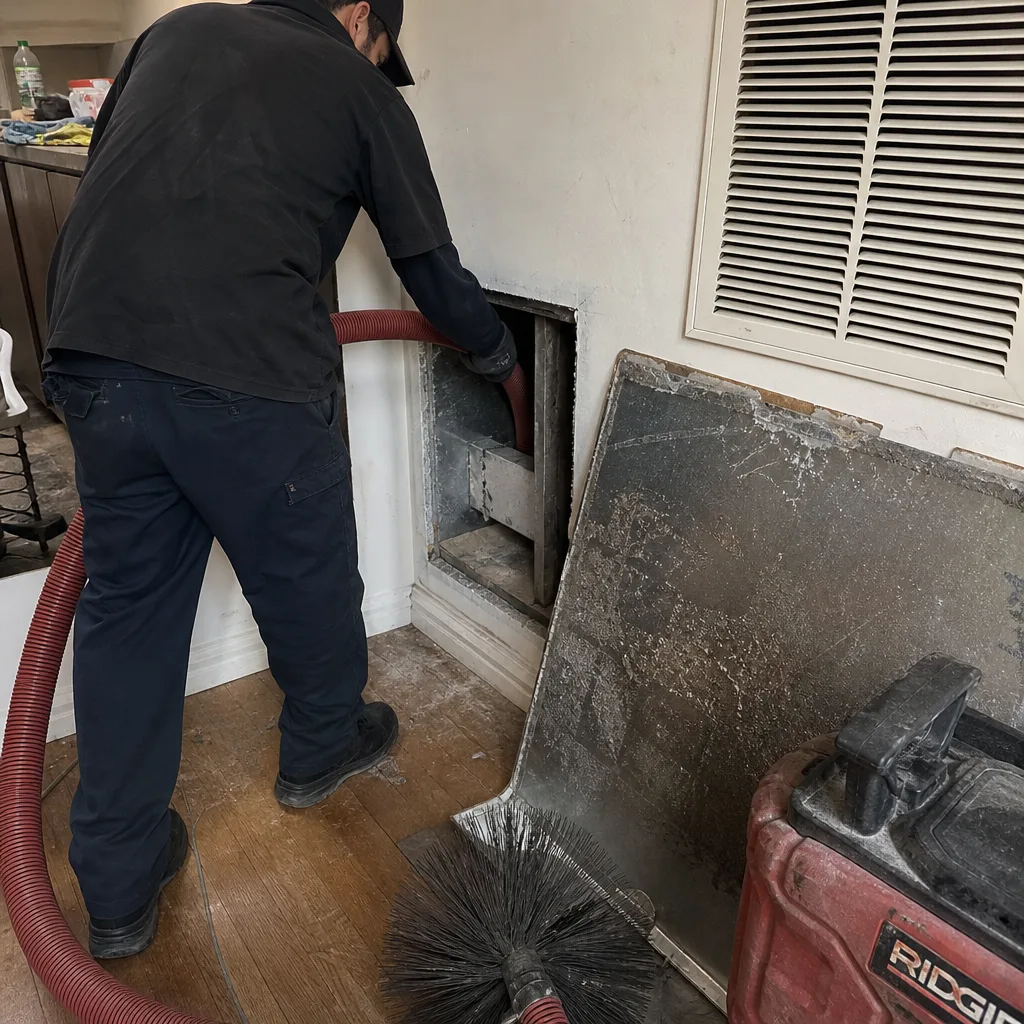 Before
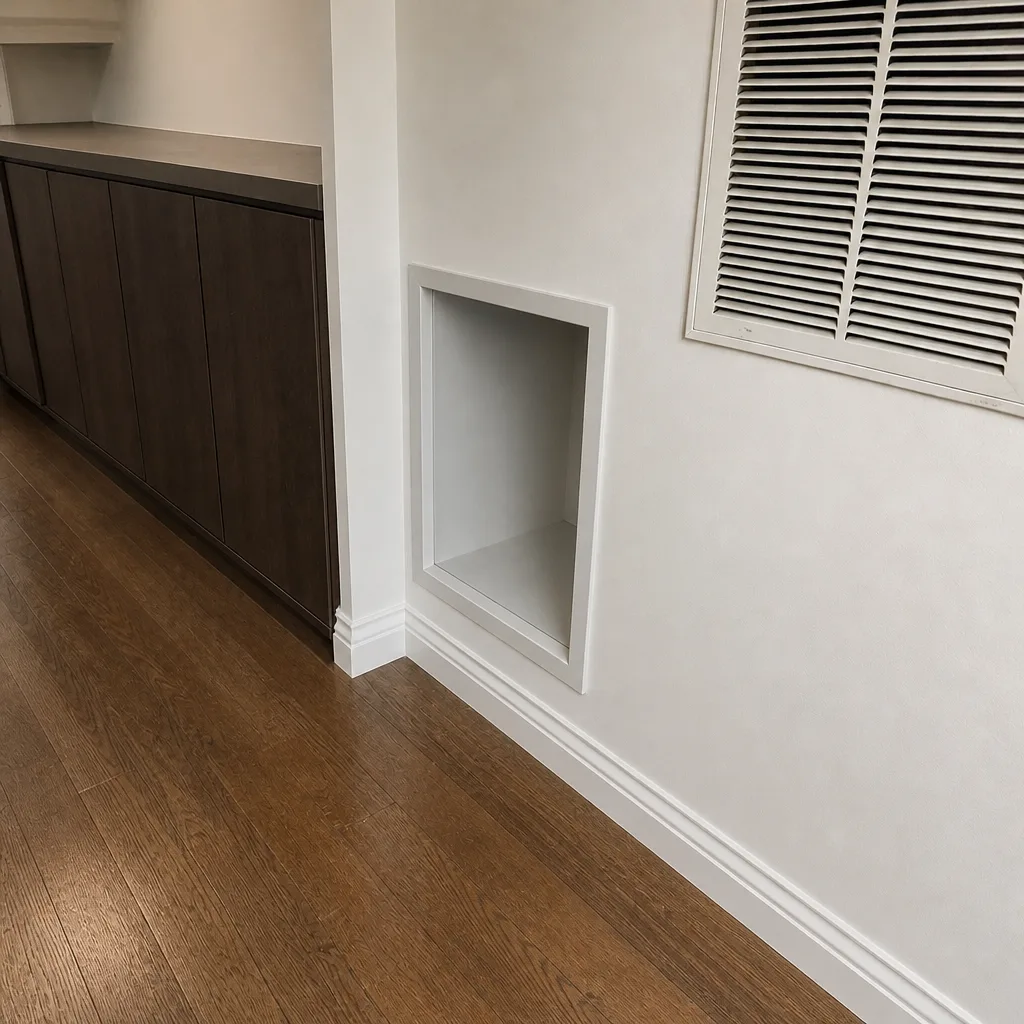 After
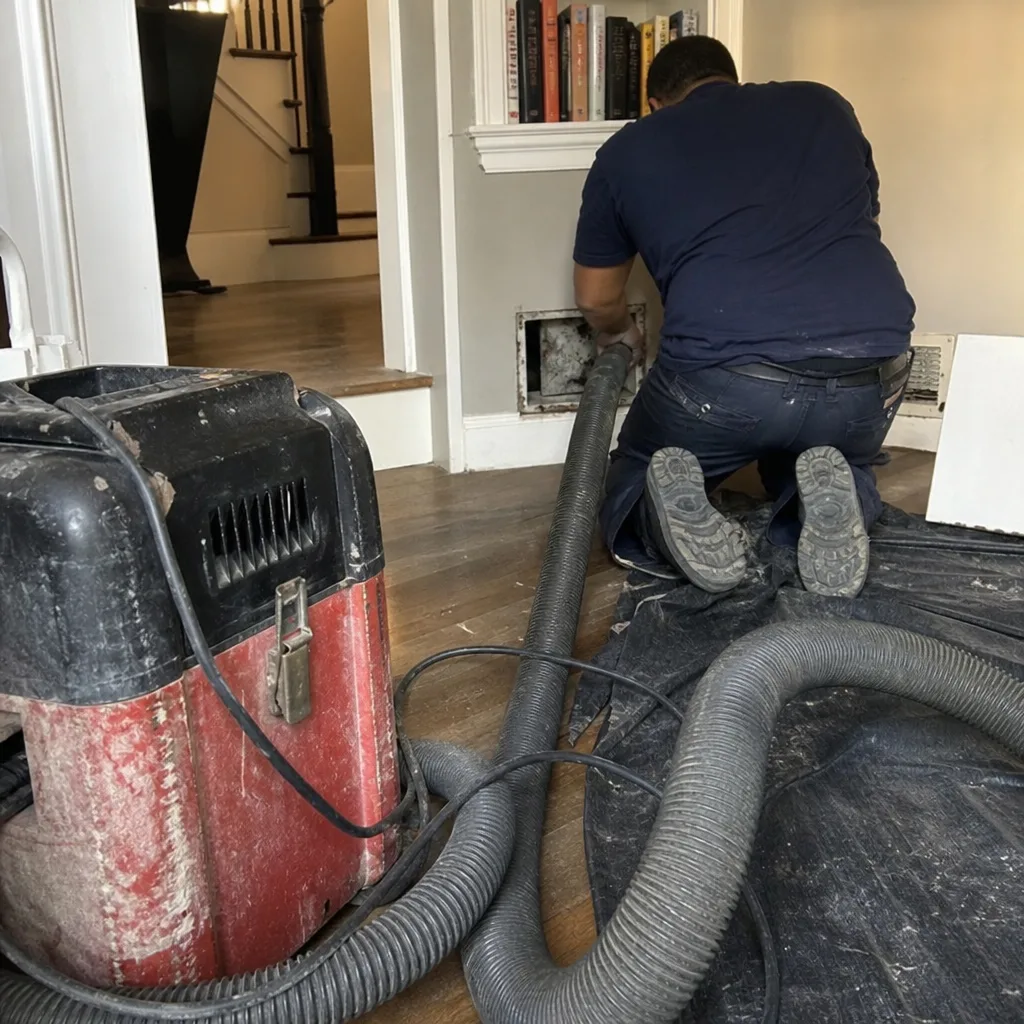 Before
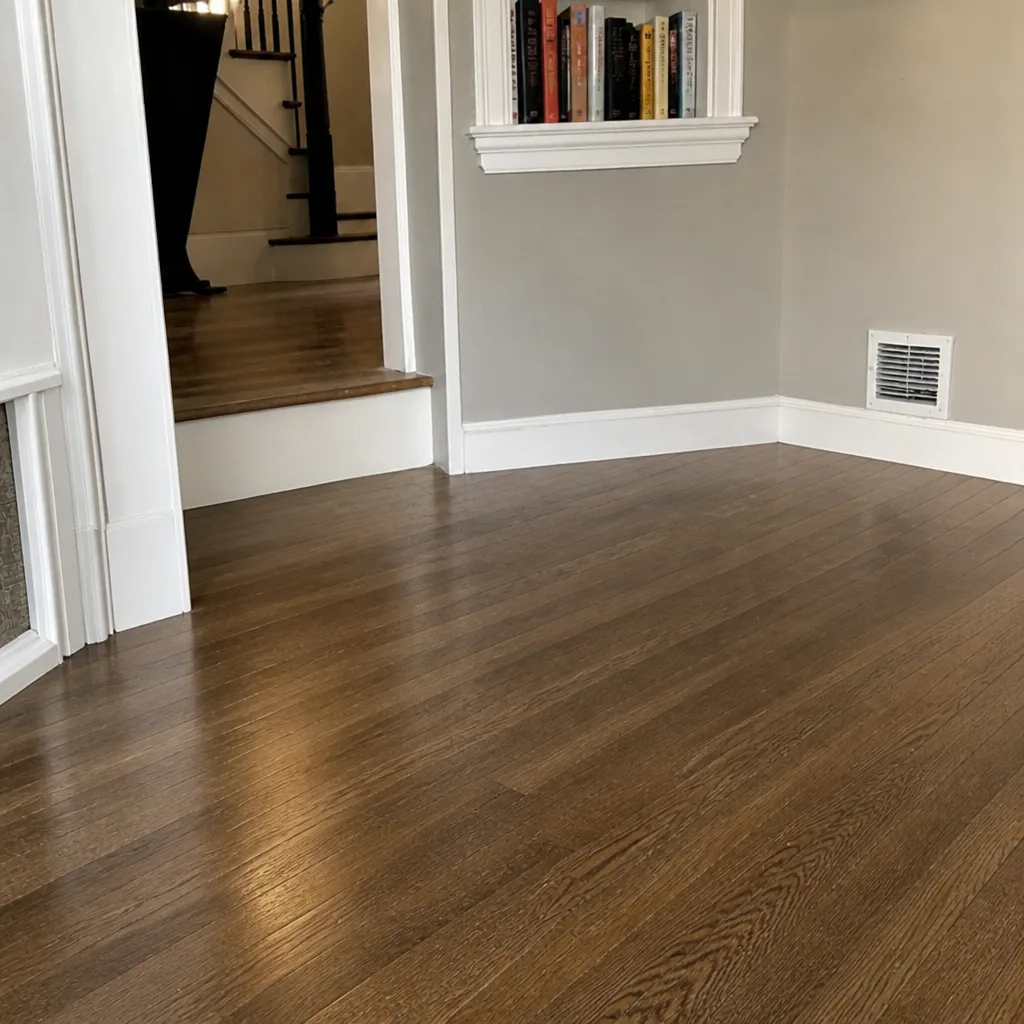 After
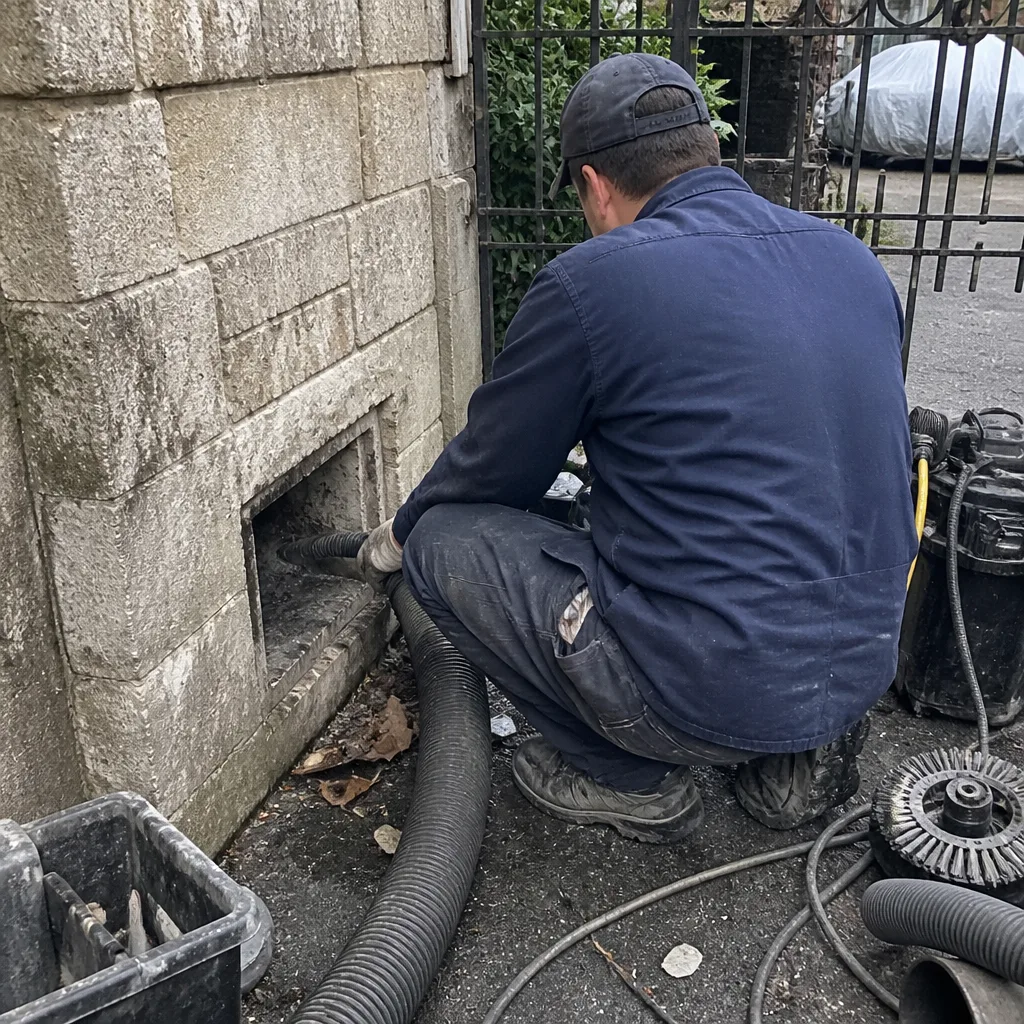 Before
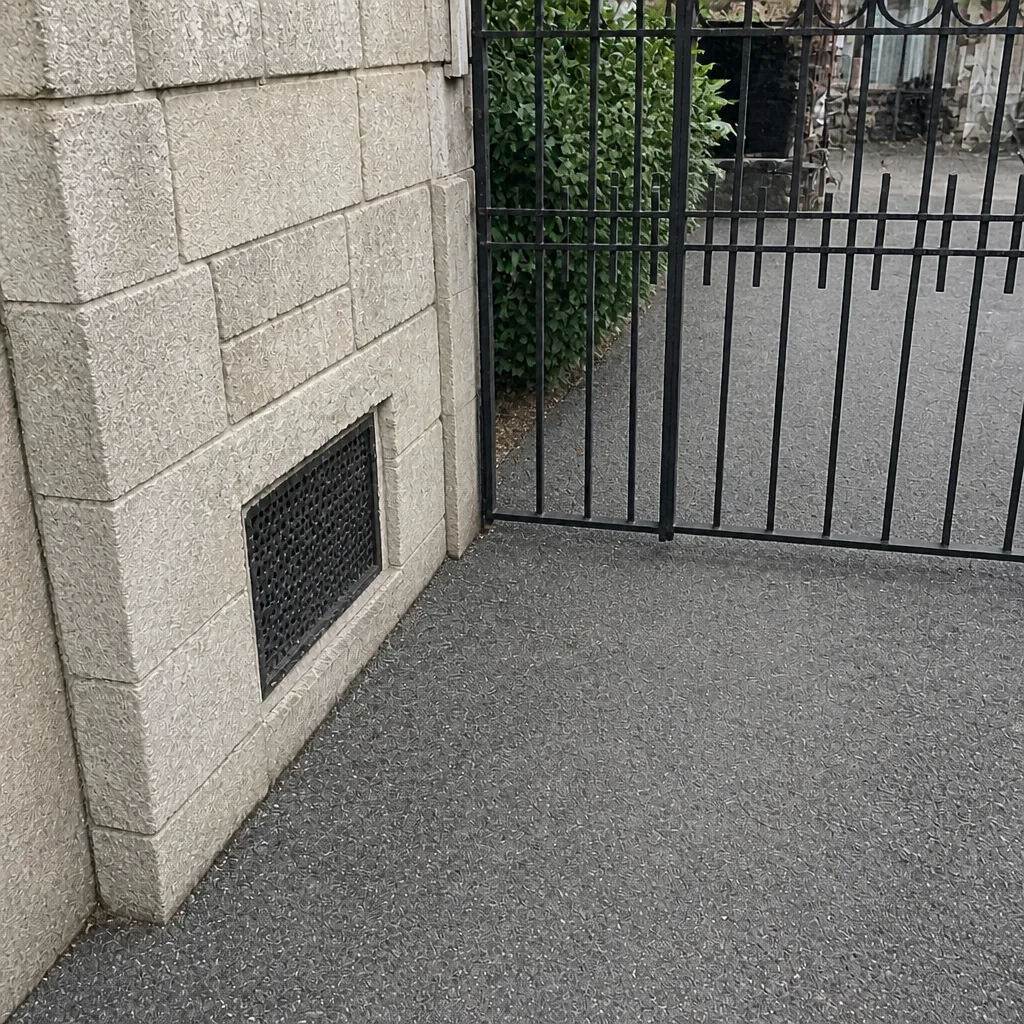 After
When to Call a Professional
Call when the signs point inside the system rather than the room. That includes dust returning within a week, a musty or burning smell tied to the fan, airflow that’s weak in one specific room, or visible buildup you can’t reach with a household vacuum. Call sooner if you’re seeing mold, water near the air handler, or a dryer that’s running hot. Each of these means the system needs more than a wipe-down. What you should expect from a proper job is diagnosis first, then full-pathway cleaning with containment, then a documented sanitizing treatment, and before-and-after photos of your own ducts so you know the work happened. Air Duct Cleaning Upper East Side offers free estimates in Upper East Side. Call (844) 443-3814. We answer 24/7. Fast dispatch from 7am to 7pm, Sunday through Friday. Air Duct Cleaning Upper East Side.
Frequently Asked Questions
The clearest signals are dust that returns within a few days of cleaning, a persistent musty or metallic smell that appears with the fan, airflow that’s noticeably weaker in one or more rooms, and visible fiber buildup inside a supply register. In an Upper East Side apartment, confirm the source is your own system with the system-off and system-on wipe tests before booking service.
Building infiltration brings air in from the hallway, a neighboring unit, or through shared risers, while a duct problem moves air that’s already inside your own system. The system-off wipe test isolates the first, and the system-on test isolates the second. If dust reappears with the HVAC fan off, the source is outside your ductwork and belongs with your building.
A musty smell that appears when the fan starts almost always points to moisture and microbial growth, usually on the evaporator coil, in the drain pan, or inside duct lining that’s stayed damp. It’s a common pattern in sealed apartments. Cleaning alone won’t resolve it; sanitizing with a Guardsman-backed treatment after the clean is the practical fix.
No, and the problem is real. A shop vacuum can’t generate enough suction to move accumulated debris through a long duct run, and it has no way to contain what it lifts, so loosened particles spread into the room. Professional systems use a rotary brush that agitates the whole run plus a negative-air setup from Abatement Technologies that holds the debris under containment while it’s evacuated.
Every two to three years is a reasonable baseline for a typical Upper East Side apartment, but the warning signs matter more than the calendar. A unit that’s just changed hands, had renovation in the building, or is showing dust and odor patterns sooner may need attention well before the three-year mark. If any sign from the guide applies, schedule a service call now.
Cleaning removes the accumulated dust, debris, and microbial growth from inside the ducts, coil, and components. Sealing closes the gaps and leaks at joints and registers so unfiltered air stops being drawn in. A clean system that isn’t sealed will accumulate dust again quickly, which is why we treat sealing as part of the job, not a follow-on upsell. For an exact scope on your own system, call (844) 443-3814. Estimates are free.
The Bottom Line
Warning signs in an Upper East Side apartment come down to a short list: dust that returns within days, a smell tied to the fan, uneven airflow, buildup visible inside a register, and a system due for a scheduled clean. The first question is always whether the source is your own system or the building. The wipe tests and grille checks in this guide answer that before you spend anything. When signs fall on the immediate list (burning smell, visible mold, water near the air handler), don’t wait. When they fall on the scheduled list, full-pathway cleaning, sealing, and sanitizing together is what keeps the result. Clean the system, not just the surface. Call (844) 443-3814 for a free estimate.
Written by the team at Air Duct Cleaning Upper East Side.