
Last updated November 22, 2026
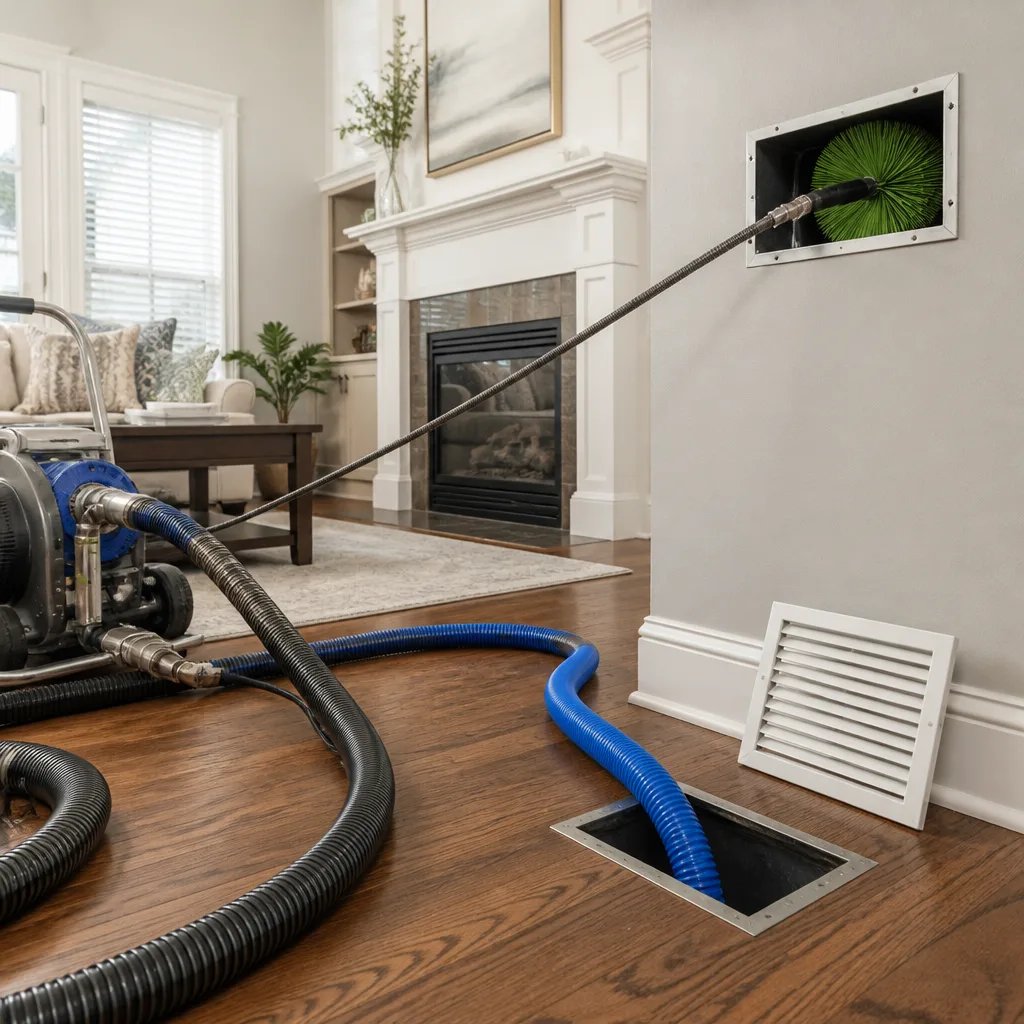 Whole-home duct cleaning
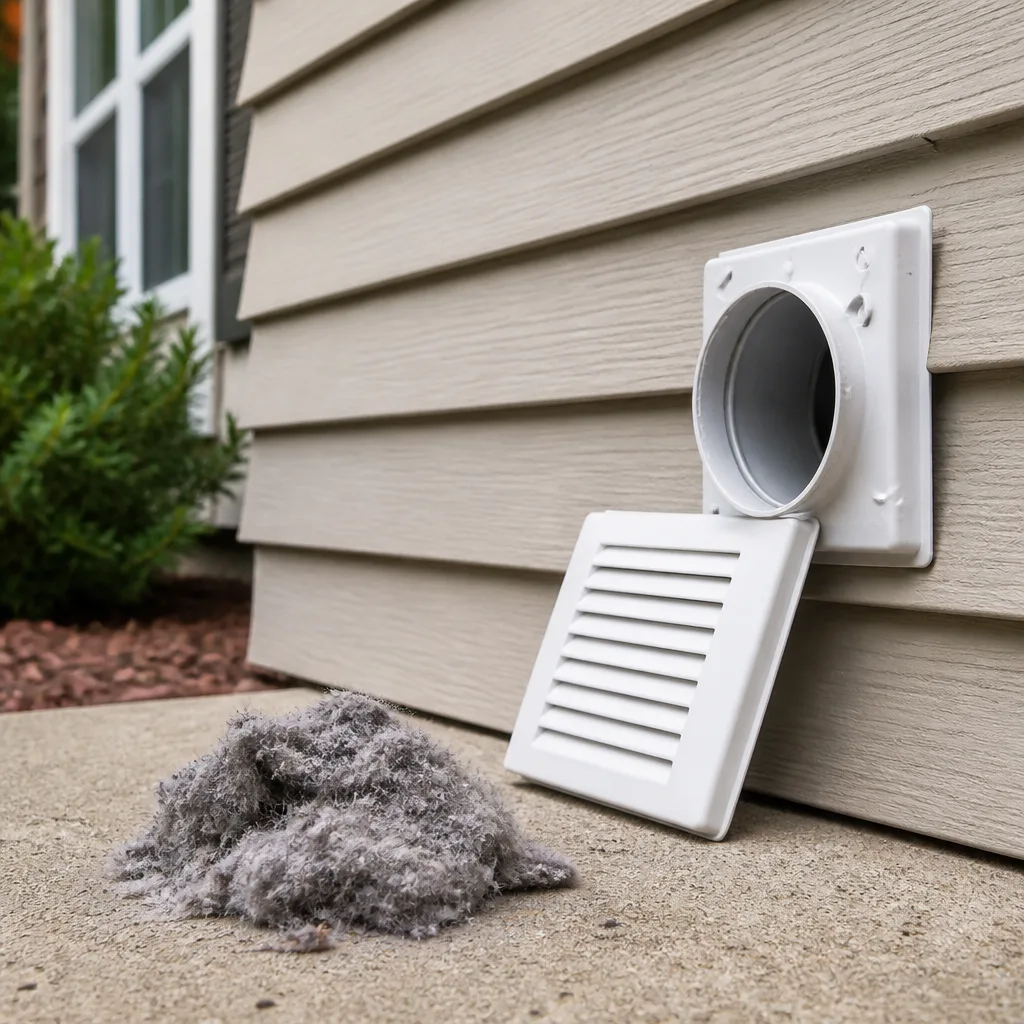 Dryer vent cleaning
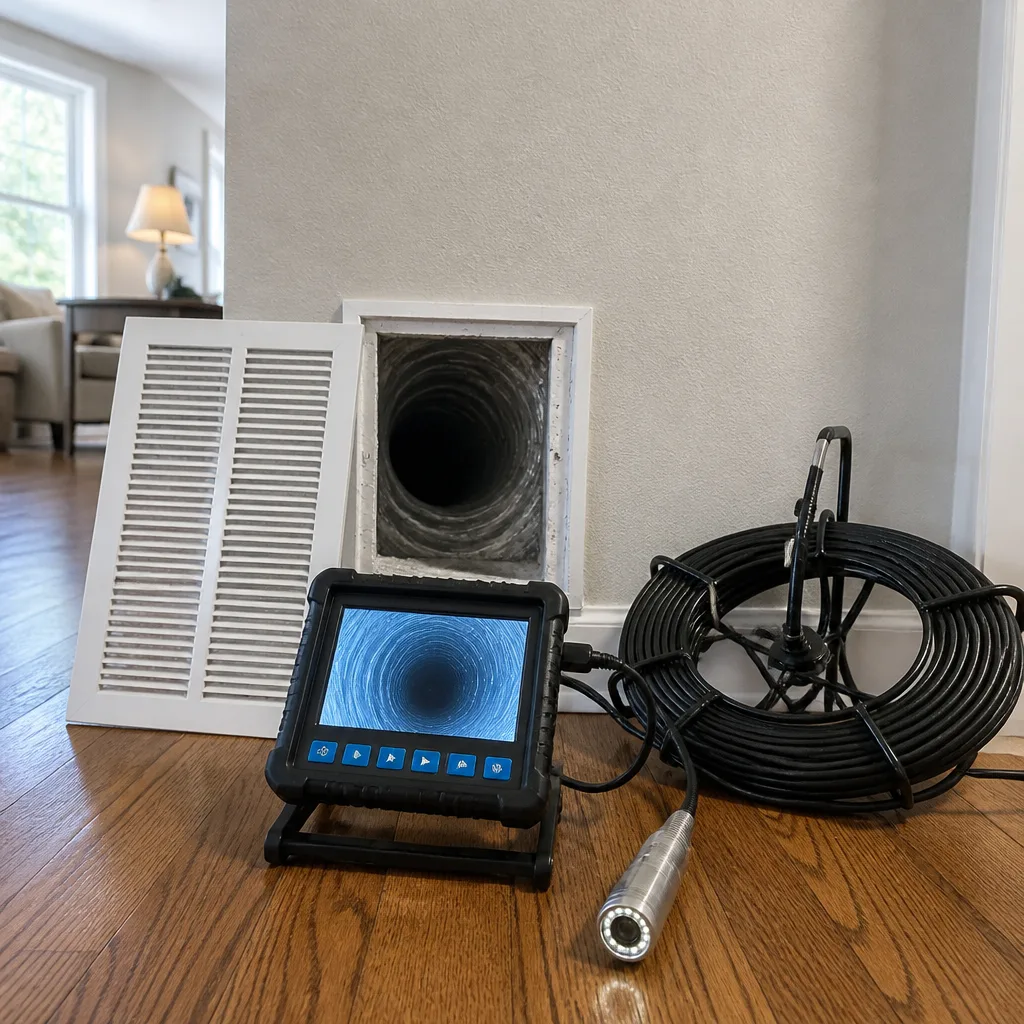 Camera inspection
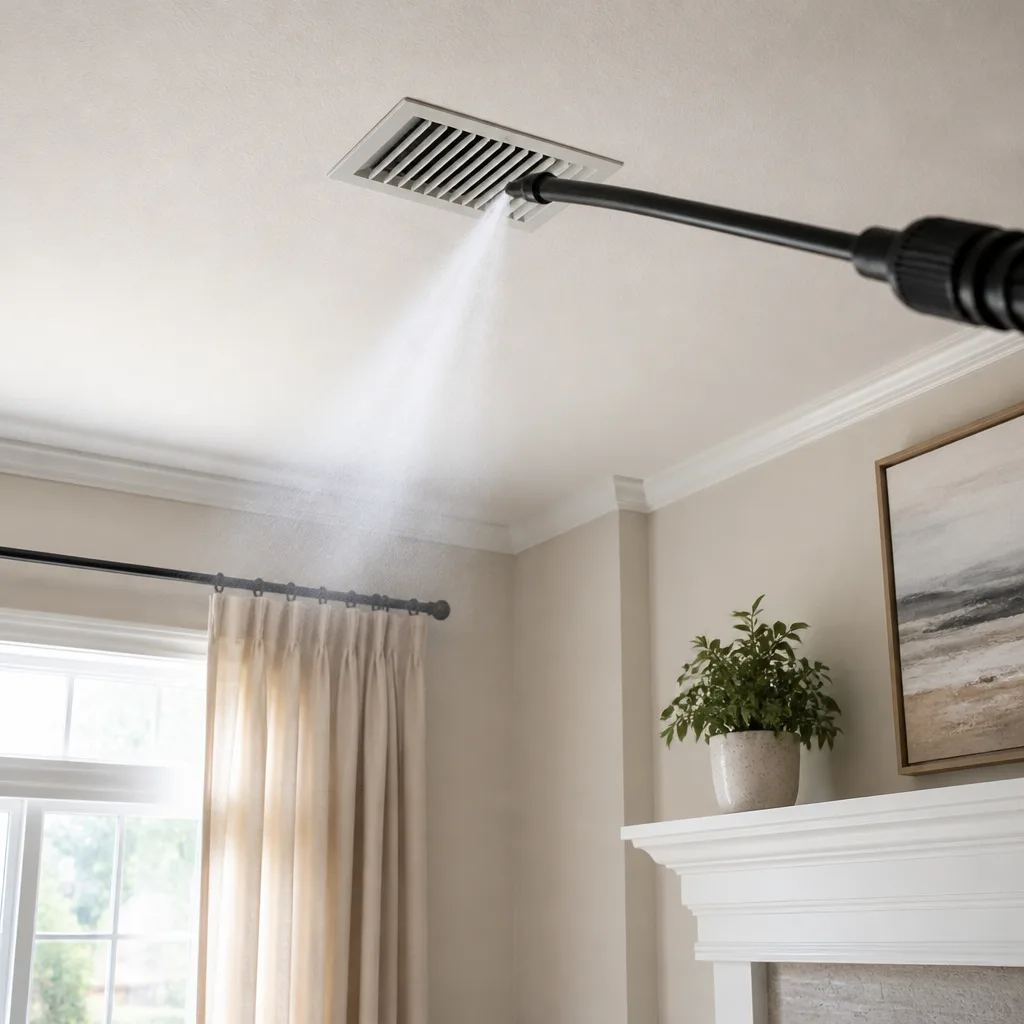 Sanitizing & deodorizing
Whole-system duct and dryer vent check with before-and-after photos - you see exactly what came out of your vents
That "$99 whole-house special" is a bait ad - the real number appears once they are in your hallway, or the "clean" is a shop-vac at the register. We photograph the inside of your ducts before and after instead.
How to Hire an Air Duct Cleaning Contractor in Upper East Side: A Step-by-Step Guide
“Are you licensed and insured?” tells you almost nothing useful. Every contractor in the city has an answer ready for it, and the answer is nearly always yes. The question “what’s your protocol for a building with fan coil units and no traditional ductwork?” tells you everything. Most duct cleaning companies in the Upper East Side market are trained and equipped for standalone houses with a basement furnace trunk and flexible branch runs. Many Upper East Side buildings have nothing like that system. This guide shows you the questions, the quote line items, the building access paperwork, and the written scope that separate a contractor who understands your building from one who will leave with your check and a half-finished job.
Quick Answer
To hire an air duct cleaning contractor in Upper East Side, verify three things before you book: that the contractor asks about your building type, floor level and system configuration before quoting, that they name the specific professional equipment they’ll use (rotary brush and vacuum systems, not a shop vacuum), and that they give you a written, itemized scope with a flat price for the whole system. A quote given over the phone without those questions is a quote for a different building than yours. Call (844) 443-3814 for a free estimate; we answer 24/7, with fast dispatch from 7am to 7pm, Sunday through Friday.
Styles & brands we work with
- Whole-home duct cleaning
- Dryer vent cleaning
- Camera inspection
- Sanitizing & deodorizing
Table of Contents
- Step 1: Know Which System You Actually Have
- Step 2: Ask the Questions That Expose the Gap
- Step 3: Confirm Building Access Before You Book
- Step 4: Read the Quote Line by Line
- Step 5: Recognize the Red Flags Specific to Upper East Side
- Step 6: Confirm the Equipment and the Containment Plan
- Step 7: Structure the Job So You Get Documentation, Not Just a Receipt
- Common Mistakes to Avoid
- When to Call a Professional
Step 1: Know Which System You Actually Have
The single biggest reason duct cleaning goes wrong in Upper East Side apartments is a mismatch between the contractor’s mental model and the actual hardware. Before you call anyone, walk your apartment and identify what moves your air. This matters because a contractor who arrives expecting a suburban layout will clean the wrong things, or clean nothing and charge full price.
Here are the configurations you’re likely to find in Upper East Side buildings:
- Fan coil units with short duct runs. Common in postwar and newer co-ops and condos. Each unit serves one zone, and the “ductwork” is often a short plenum, a transfer grille, or a compact run to adjacent rooms. Cleaning this requires attention to the coil, the drain pan and the blower, not a long flexible trunk line.
- Vertical stacked risers. Air travels through chases that run floor to floor. Cleaning risers is a different job from cleaning branch runs, and it usually needs coordination with the building.
- PTAC and through-wall units. These have a filter, a coil and a blower but no duct network at all. What they need is coil and blower cleaning, not “duct cleaning,” and a quote that promises duct cleaning only for this setup is a signal the contractor hasn’t looked.
- Pre-war buildings with retrofitted systems. These are the wild cards. Runs can be original, added during a renovation, or a combination. Nobody can quote these honestly without asking about the unit and often seeing it.
Write down what you find: the unit type, how many supply and return points you can see, and your floor. When a contractor asks for those details before quoting, that’s a good sign. When they don’t ask, you already know how the job will go. Our experience cleaning in Upper East Side buildings is that the first visit tells the story: the contractor either recognizes the configuration in the first minute or spends twenty minutes confused. Where most cleaners stop at the vents, we work the entire air pathway, and that starts with knowing what the pathway is.
Step 2: Ask the Questions That Expose the Gap
A contractor’s answers to technical questions reveal their training faster than any certificate. You don’t need to be an HVAC technician to evaluate the answers. You just need to notice whether they’re specific or vague.
Ask these in this order when you call:
- “What kind of system do you find in most Upper East Side apartments?” A qualified answer names fan coil units, stacked risers or PTACs. A generic answer is “ductwork.” Listen for the difference.
- “How do you clean a system with no traditional ductwork?” This is the question. If the answer is “we clean the vents,” that’s surface work. A knowledgeable answer describes cleaning the coil, blower and cabinet interior, and explains what they can and cannot reach.
- “What equipment will you actually use inside my apartment?” Professional duct cleaning uses a rotary brush system plus high-powered vacuum, with the brush and hose fed through the system. A shop vacuum is not professional equipment. If the contractor can’t name the tool, they don’t own one.
- “How will you keep the debris out of my living space?” This is where containment comes up. A professional answer includes negative-pressure containment with HEPA filtration so loosened material is exhausted rather than redistributed into your rooms. If the answer is “we put down drop cloths,” ask again.
- “What’s your floor-level question?” If they never asked which floor you’re on, the quote is guesswork. Floor level affects hose reach, elevator timing and how a job is set up.
- “What do you charge for, and how will the final price be set?” Look for one flat price per system, quoted in writing, before work starts. Not per vent, not per hour.
Write the answers down. A contractor who offers specific answers will pass. A contractor who gives you a phone price without a question about your building hasn’t earned the job. Our technicians have up to 14 years of experience and they answer all six of these in plain words without a pitch. Feel free to test that: air duct cleaning Upper East Side clients get the same answers from any real professional.
Step 3: Confirm Building Access Before You Book
In Upper East Side co-ops and condos, the job is half building logistics. A contractor who has never worked in a managed building will hit a wall at the front desk, and you’ll be the one who loses the appointment.
Most buildings require the following, and you should confirm all of it before the day of service:
- Certificate of insurance naming the building. Your management office will want proof of general liability and often workers’ compensation coverage. Ask the contractor to send it ahead of time so your board can review it.
- Advance notice to management. Many buildings require notice before any contractor arrives. Ask your super or management what the lead time is.
- Work-hour and access restrictions. Buildings typically specify when contractors can work and how they can move through the building. Confirm the window and stick to it.
- Elevator and service entrance rules. Some buildings restrict which elevator is used and require protection on the cab. A contractor hauling equipment should know to ask.
- Certificate of insurance for any subcontracted helper. If the contractor brings additional workers, ask that the same insurance requirements apply to them.
Get the building’s requirements in writing and forward them to the contractor in an email. That one email protects you: it creates a record of what your building requires and what the contractor agreed to. If the contractor can’t produce the certificate or balks at the process, you’ve saved yourself a headache. No legitimate contractor minds meeting a building’s insurance requirements.
Step 4: Read the Quote Line by Line
A quote is a scope document. Read it for what’s in it and for what’s missing. A flat quote for a single “air duct cleaning” on a building unit often means incomplete scope.
Here’s how to read one. The quote should show:
- A line for each part of the system covered. Supply runs, returns, registers, the air handler or fan coil, the blower, the coil. A quote that names only “ducts” doesn’t tell you which of these is included.
- The equipment to be used. Written by the team at Air Duct Cleaning Upper East Side.
- A line for containment. Negative-pressure setup should be included, not an optional upgrade.
- Duct repair and sealing as its own line, or a clearly stated finding that it’s needed. Cleaning alone leaves leaks that keep letting dust in. Repair and sealing is a separate scope with its own price, and it should be named as a possibility up front.
- A clear final price, described as an estimate, with the written estimate setting the final price. “Starting at” pricing isn’t a scope. It’s a hook.
- Before-and-after photos of your own system. This should be part of the job terms, not a favor.
Compare two or three quotes side by side. If one contractor’s list is half the length of another’s for the same apartment, the shorter one is missing scope, not saving you money. What a quote shouldn’t have is a price per vent or a teaser number with fine print. We don’t quote that way: one flat price per system, agreed before work starts, with a written estimate that sets the final number. If you’d like to see how a real scope reads, ask for ours when you call.
Step 5: Recognize the Red Flags Specific to Upper East Side
Bait-and-switch is the industry’s biggest liability, and it shows up earlier than the invoice. There are patterns you can spot on the phone, before anyone arrives.
These are the red flags that matter in this neighborhood:
- They don’t ask about building type or floor level. A contractor who quotes a full duct clean without asking whether you have a fan coil or a central air handler is quoting a system they haven’t seen. The number will change on site.
- They can’t name the equipment. “Professional-grade” is a marketing phrase. Rotary brush and vacuum systems are equipment. A shop vacuum is not. If they can’t name the machine, ask why not.
- They quote over the phone before seeing the system. A rough range is one thing; a firm low quote is a red flag. On a high-rise with an unfamiliar configuration, a firm quote from a company that hasn’t asked anything is bait.
- They can’t produce a certificate of insurance promptly. Any contractor who does co-op work has this ready.
- They won’t put the scope in writing before the visit. A contractor who resists a written scope is protecting a gap in the quote.
- They don’t include containment. If “we’ll be careful” replaces a negative-pressure setup, loosened debris will end up back in your rooms.
None of these catches a good company by surprise. All of them catch the wrong one before you’ve paid a deposit. That’s the point of this guide: the check happens before money moves.
Step 6: Confirm the Equipment and the Containment Plan
The caliber of the equipment tells you the caliber of the work. This is the part of the hire that is worth memorizing.
Broadly, here’s what professional-grade duct cleaning involves:
- Rotary brush and vacuum systems. The rotary brush loosens material stuck to the duct walls while the vacuum carries it away. This is the same class of equipment used in commercial and medical settings, and it’s a different category entirely from a shop vacuum with a long hose.
- Negative-pressure containment. Equipment from Abatement Technologies is designed to hold your work area under negative pressure so that any loosened material is captured and exhausted rather than floating back into the apartment. For an Upper East Side apartment, this is often the single most important piece of equipment in the job.
- HEPA filtration. High-efficiency filtration on the vacuum and containment unit is what makes the cleaning safe to do while you’re in the building.
- Sanitizing treatment after cleaning. A Guardsman-backed sanitizing treatment applied after the clean gives documented antimicrobial surface protection inside the ductwork. It’s protection after cleaning, not a substitute for it.
Ask to see the equipment list, and if an air-quality upgrade comes up, ask which products they install and service. We work with Honeywell and Aprilaire air-quality products, so we can clean an existing system and upgrade it in one appointment. That’s a real difference: a cleaner who only cleans gives you nowhere to go when the cleaning reveals that filtration is the next step. “Professional-grade equipment, residential care” isn’t a slogan; it’s the test you’re running during step six. The job either passes or it doesn’t.
Step 7: Structure the Job So You Get Documentation, Not Just a Receipt
A receipt proves you paid. It doesn’t prove anything was cleaned. Structure the job so you have documentation of the full scope before anyone leaves.
Before the visit, agree to these terms in writing:
- A written scope of what will be cleaned. Each part of the system, named. Registers, supply runs, returns, fan coil or air handler, coil, blower, cabinet. If a part is out of scope, it should be listed as excluded.
- A written list of the equipment to be used on site. Specific machines, by name.
- Before-and-after photos of your own ducts. Written into the job terms. This is the single most useful piece of proof you can get, because it’s of your system, not a stock image.
- A findings note. What did the technician find? Air leaks? Missing seals? A failing coil? Debris soiling that suggests a source you can fix? Findings inform whether air duct cleaning alone is enough or whether repair and sealing is the next step.
- A written post-clean summary. What was cleaned, what equipment was used, and what was found. This is what you forward to your board, hand to the next contractor, or keep for the next service.
Ask for these to be standard, not granted as a favor. A contractor with a real process produces them without being asked. We consider repair and sealing part of the work, not an upsell, so when a findings note names a leak, you’ll know what it means for the scope. If you want the full pathway covered, you’re going to want to talk about the whole air system: duct cleaning, sealing, and the filtration piece that keeps the clean result from degrading.
See the difference
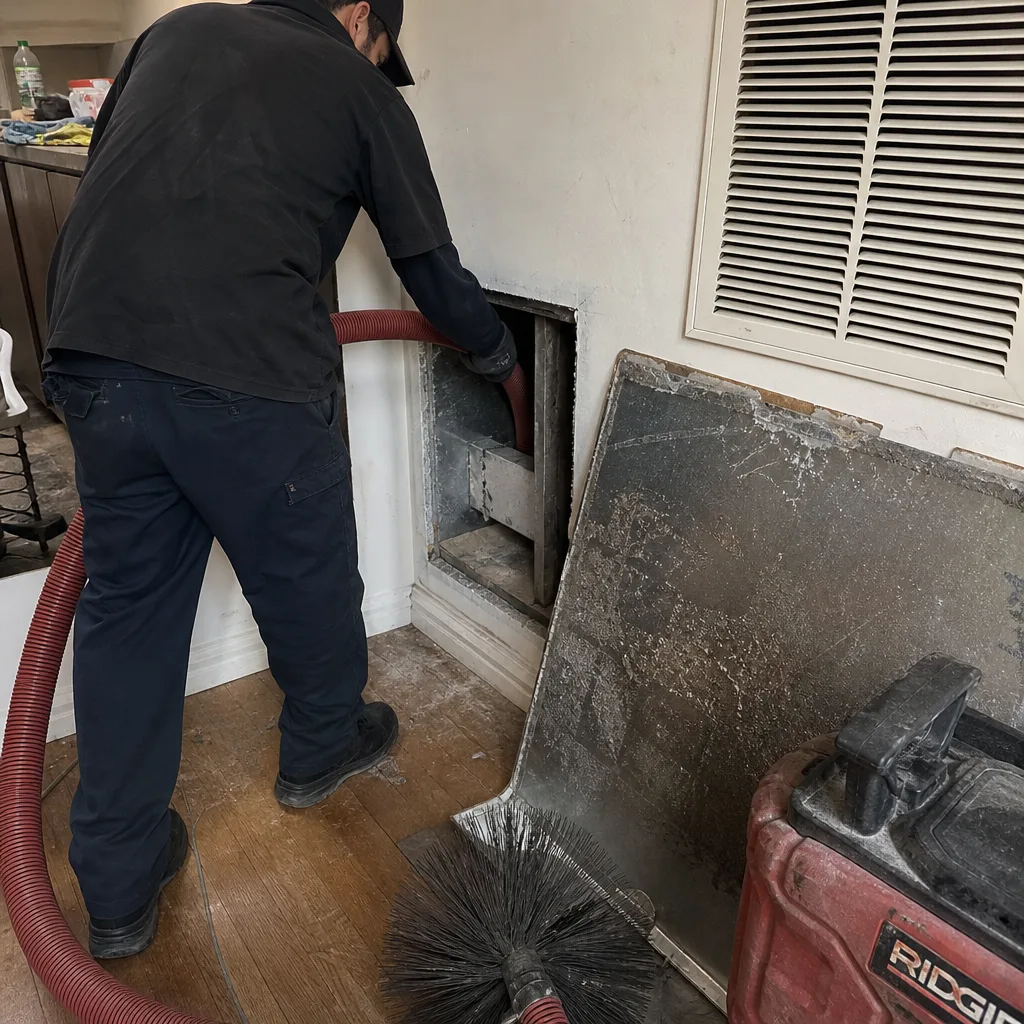 Before
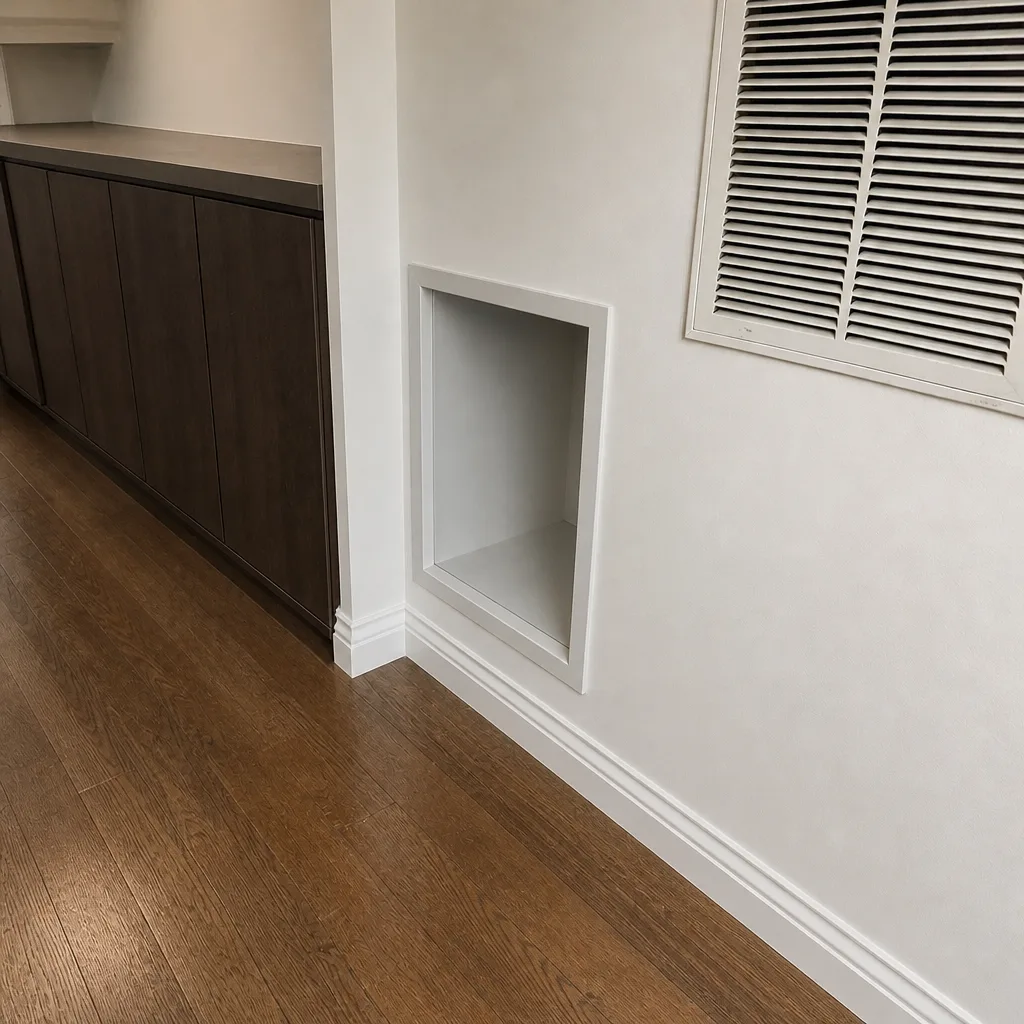 After
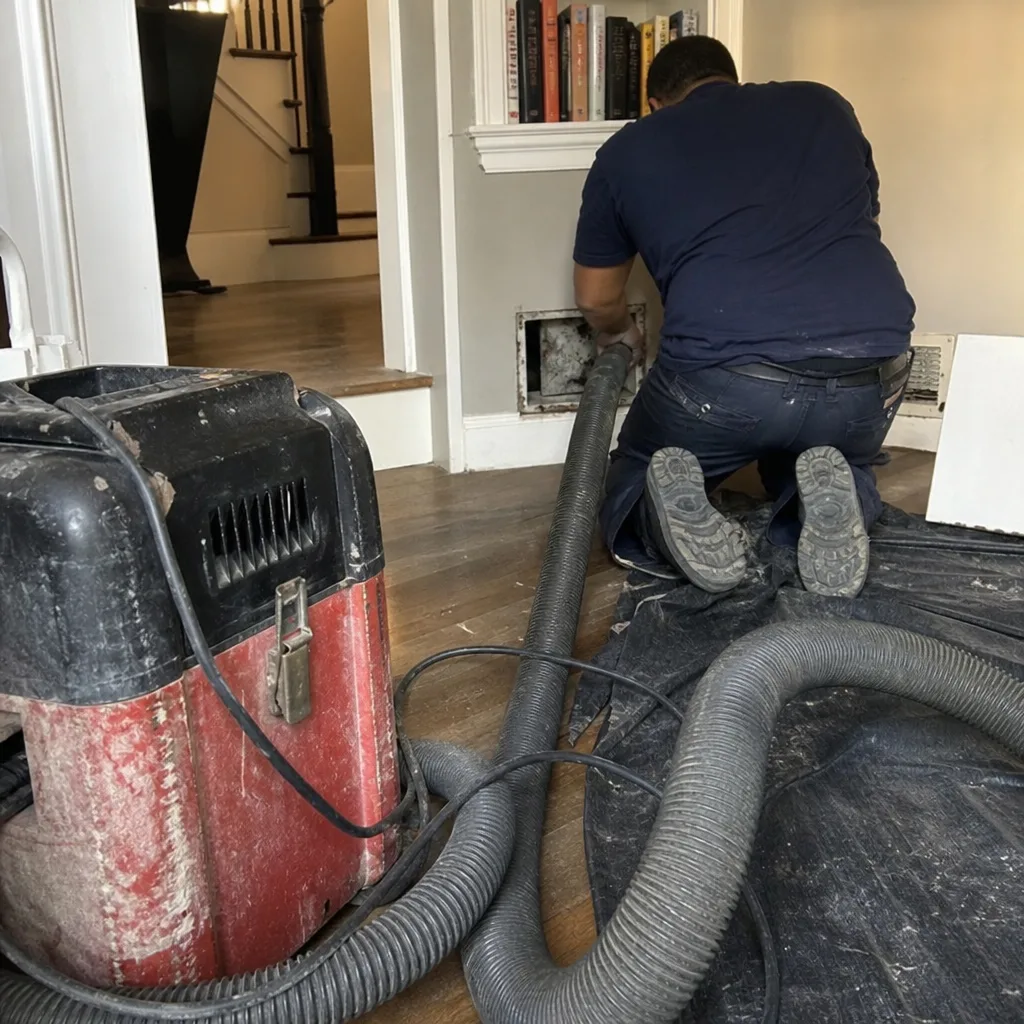 Before
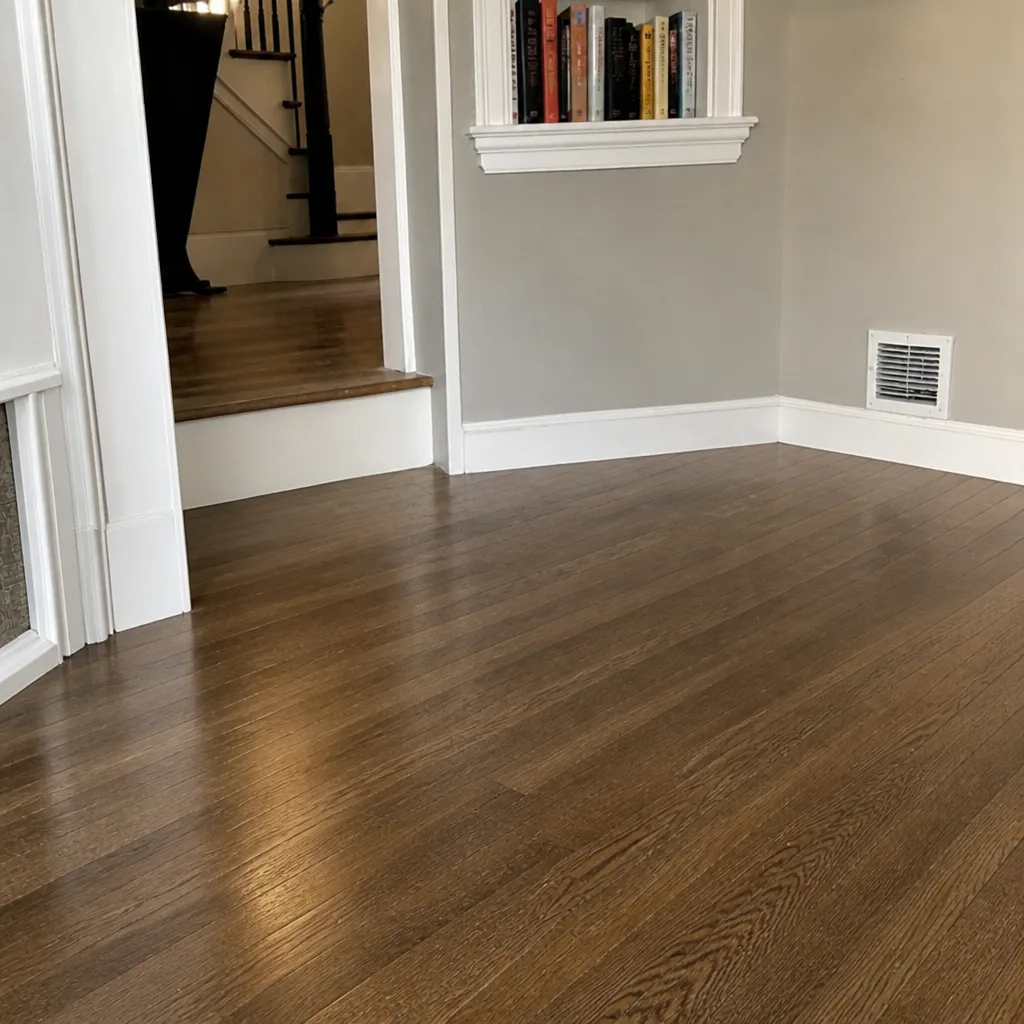 After
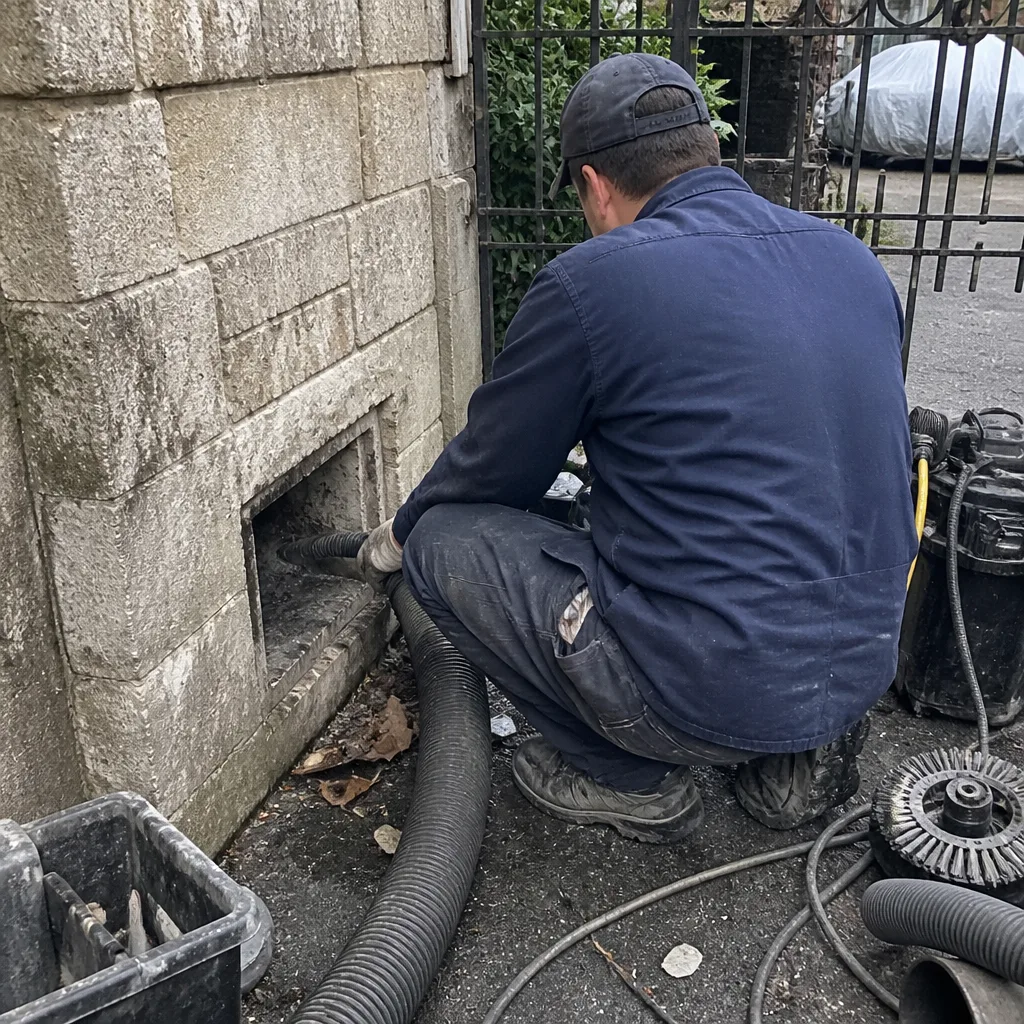 Before
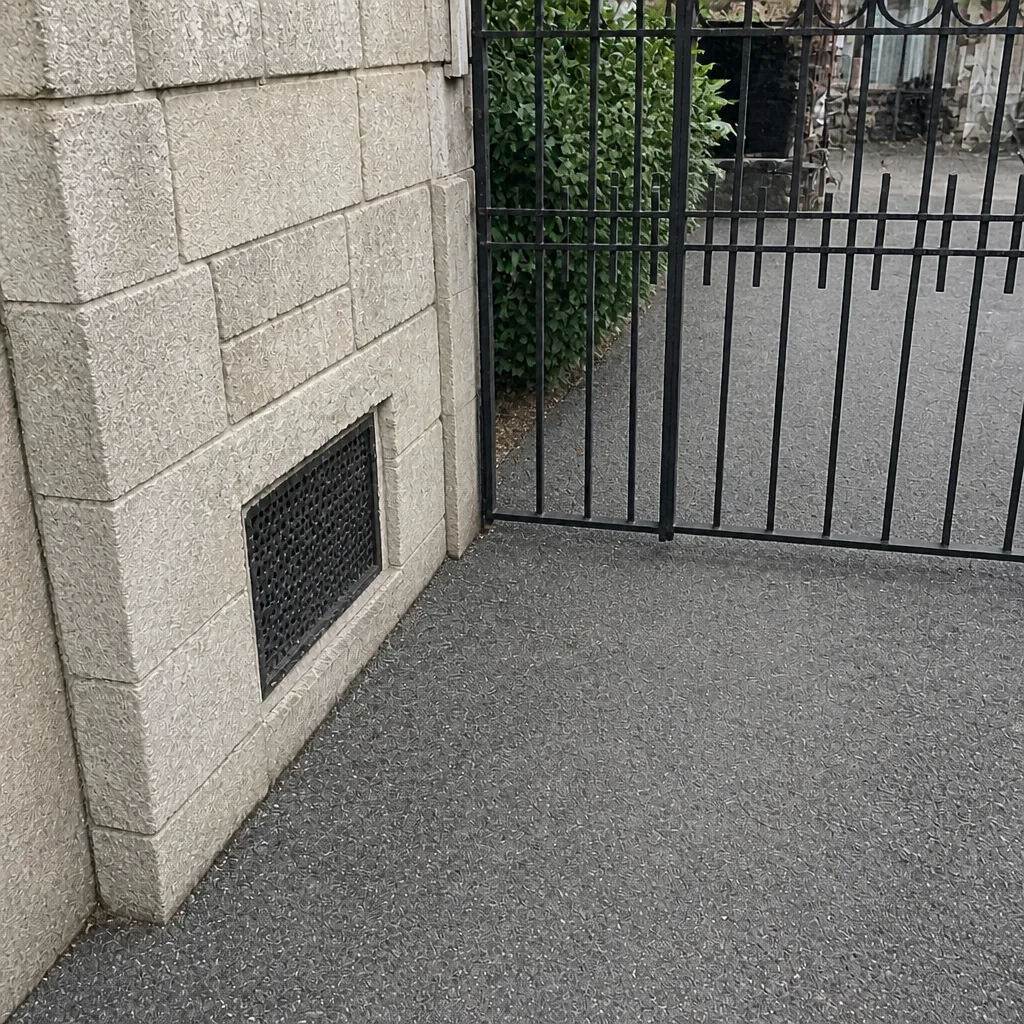 After
Common Mistakes to Avoid
- Booking the lowest quote without a written scope. A low bid with no scope is not a discount; it’s an opening number. Compare line items, not bottom lines.
- Assuming every “duct cleaning” is the same service. In an Upper East Side building with fan coils, “duct cleaning” might mean nothing was cleaned but the vents. Ask which parts of the system are in the scope.
- Not checking building access requirements in advance. A last-minute scramble over insurance or notice turns into a canceled appointment. Collect the building’s requirements in writing and forward them to the contractor in one email.
- Accepting a per-vent price. Per-vent pricing on a high-rise unit with a fan coil is a mismatch at best. Ask for one price for the whole system.
- Skipping the documentation step. A receipt with no photos, no findings and no equipment list tells you nothing about what happened. Ask for a written summary before the visit is booked.
- Hiring a cleaner who won’t repair and seal. Cleaning without sealing leaves leaks that bring dust straight back. Keep HVAC cleaning on the table as part of a full air-system plan, not a separate later errand.
- Overlooking the dryer vent. If your unit has a dryer, dryer vent cleaning is a separate job with separate fire risk addressed. It’s often skipped in apartment buildings. Ask whether it’s included or available as a stand-alone service: dryer vent cleaning is one of the five services we handle.
When to Call a Professional
Some jobs you can delay. These are the ones you shouldn’t:
- You can see visible dust or debris at the registers, or dust settles quickly after you clean a room.
- You’ve moved into a new apartment or completed a renovation, and the unit’s cleaning history is unknown.
- Someone in the household notices the air quality more than they used to. That’s a reason to inspect the system, not to guess.
- Your building is sending around a maintenance reminder, or your board asks about duct cleaning for a unit.
- You can hear the fan coil or air handler running but the airflow is weak or uneven. That’s a sign the coil or blower is due, not a sign the system needs replacement.
- Your dryer takes longer than it used to, or the outside vent flap barely opens. That’s a safety sign, not a coincidence.
Air Duct Cleaning Upper East Side offers free estimates in Upper East Side. Call (844) 443-3814. We answer 24/7. Fast dispatch from 7am to 7pm, Sunday through Friday; we’re closed Saturday.
Frequently Asked Questions
Pricing depends on the system configuration and the scope in the written estimate. In an Upper East Side apartment, a fan coil unit with short runs is a different job from a pre-war retrofit with stacked risers, and the estimate reflects that. We price per job, not per vent, and we agree one flat price per system before work starts. The written estimate sets the final price. Call (844) 443-3814 for an exact quote; estimates are free.
A cheap quote is usually a quote for a smaller job. The low number often reflects a scope that excludes the coil, the blower, containment, or documentation. Read the line items and see what isn’t listed. If the only item is “duct cleaning,” ask what part of the system that covers. When a quote is much lower than the others, the gap is in the scope, not the price. Call (844) 443-3814 to compare a full scope against what you’ve been given; estimates are free.
Ask for before-and-after photos of your own ducts, a written list of the parts cleaned, and the equipment list used on site. The photos should be of your system, not stock images. A findings note is your best proof that the technician looked at the system and understood it. We include these as standard. If you’re planning a job and want to see what documentation looks like, call (844) 443-3814.
There’s no universal schedule, and anyone who quotes a fixed interval without inspecting the system is guessing. The right answer depends on the system, the building, whether renovations happened, and what the technician finds. Some apartments go years without needing it; others have a source of debris that warrants a look sooner. Inspect, then schedule. Call (844) 443-3814 and we’ll help you decide.
Most require a certificate of insurance naming the building, advance notice to management, and adherence to building access and work-hour rules. Some buildings also specify which elevator to use and how to protect it. Get your building’s requirements in writing and forward them to the contractor ahead of the visit. If a contractor can’t supply the certificate or meet the process, ask why. Call (844) 443-3814 to start a building-coordinated estimate.
You still have an air system, and it still needs cleaning. Fan coil units have a coil, a blower, a drain pan and a cabinet interior; those are the parts to clean, plus the short runs and transfer grilles that move air into your rooms. A contractor who only cleans vents in this setup has done surface work. Ask specifically which parts will be cleaned, and check the quote names the coil and blower. Call (844) 443-3814 with your unit type; estimates are free.
The Bottom Line
Hiring a duct cleaning contractor in Upper East Side is a process of testing whether the contractor understands your building. The questions to ask are simple: what system do I have, what equipment will you use, how will you contain the debris, and what will the written scope say. The quote should be itemized, flat-priced per system, and should name the parts cleaned and the equipment used. Ask for before-and-after photos of your own system and a written findings note. Our technicians have up to 14 years of experience and we operate as one provider for the whole air system: cleaning, sealing, sanitizing and air-quality upgrades. Call (844) 443-3814 for a free estimate. We answer 24/7. Fast dispatch from 7am to 7pm, Sunday through Friday.
Written by the team at Air Duct Cleaning Upper East Side.